Supreme Court Halts High Court Proceedings on Controversial Transgender Rights Amendments
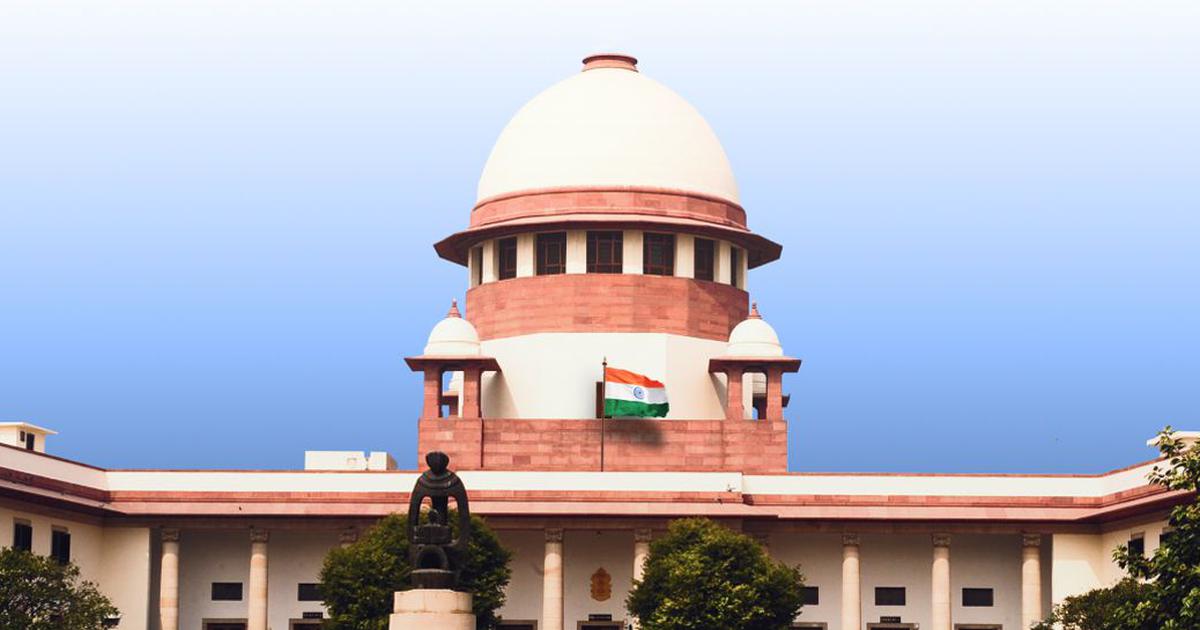
In a significant legal development, the Supreme Court of India has temporarily halted proceedings in four High Courts regarding petitions that are contesting recent amendments to the Transgender Persons Protection of Rights Act. This ruling came on Monday, as a bench led by Chief Justice Surya Kant and Justice V Mohana issued notices to the respondents involved in the cases. The petitions in question were filed by the Union government, which is seeking to consolidate these cases, currently pending in the High Courts of Rajasthan, Karnataka, Kerala, and Delhi, into a single hearing at the Supreme Court.
The amendments to the Transgender Persons Protection of Rights Act, which were passed by Parliament on March 25, 2026, have ignited a fierce debate across the nation. This legislation significantly alters the framework established by the original act enacted in 2019. One of the most controversial changes is the redefinition of who qualifies as a transgender person. Critics argue that these amendments undermine the fundamental rights of transgender individuals by removing their entitlement to self-identify their gender.
The amended law essentially limits legal recognition of gender to individuals who meet specified biological or physiological criteria. Furthermore, it restricts recognition to certain socio-cultural categories, such as kinner, hijra, aravani, and jogta. This redefinition has raised eyebrows among activists and members of the transgender community, who feel their identities and rights are being sidelined.
One of the most contentious aspects of the amended law is the requirement for medical evaluation and certification to obtain legal recognition of gender. Advocates for transgender rights argue that this stipulation not only infringes upon personal autonomy but also perpetuates a medicalized view of gender, which many in the community find stigmatizing. By mandating a medical assessment, the law places additional barriers on individuals seeking to assert their gender identity legally, which has sparked widespread protests and calls for greater inclusivity.
The Supreme Court’s decision to stay the High Court proceedings indicates a recognition of the broader implications of these amendments. By considering the consolidation of cases, the court may be aiming for a more uniform interpretation of the law across various jurisdictions, ensuring that the rights of transgender individuals are protected at a national level. As the legal battle continues, the focus will remain on the balance between legislative intent and the fundamental rights guaranteed by the Constitution.