Supreme Court to Review Calcutta High Court’s Tribunal Operations Amid Electoral Roll Concerns
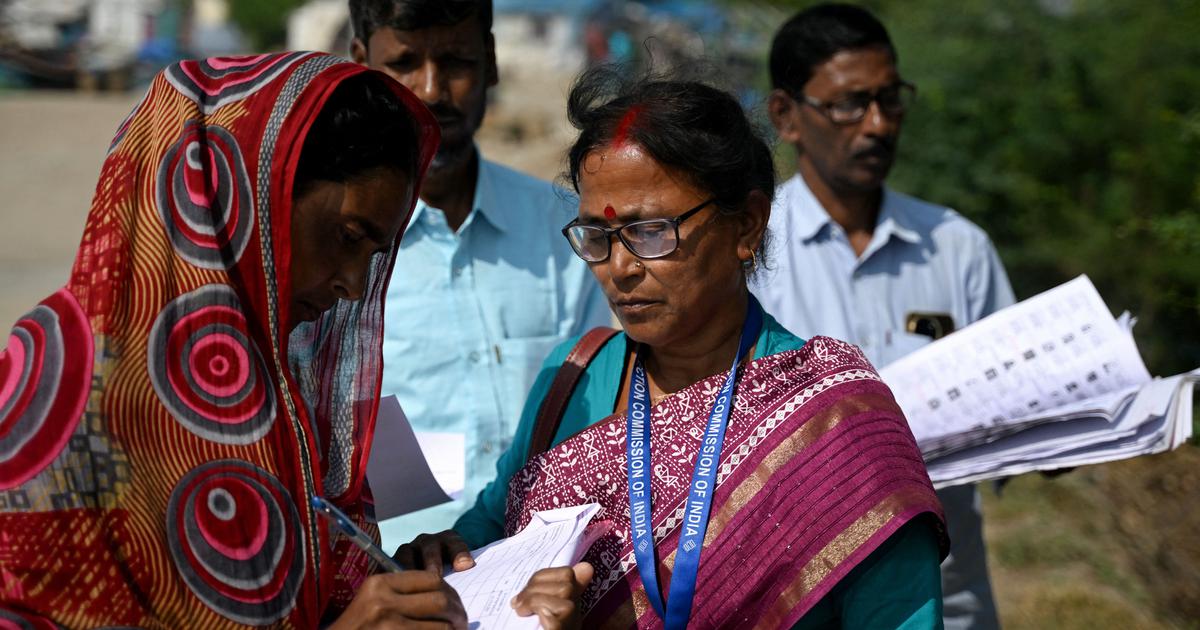
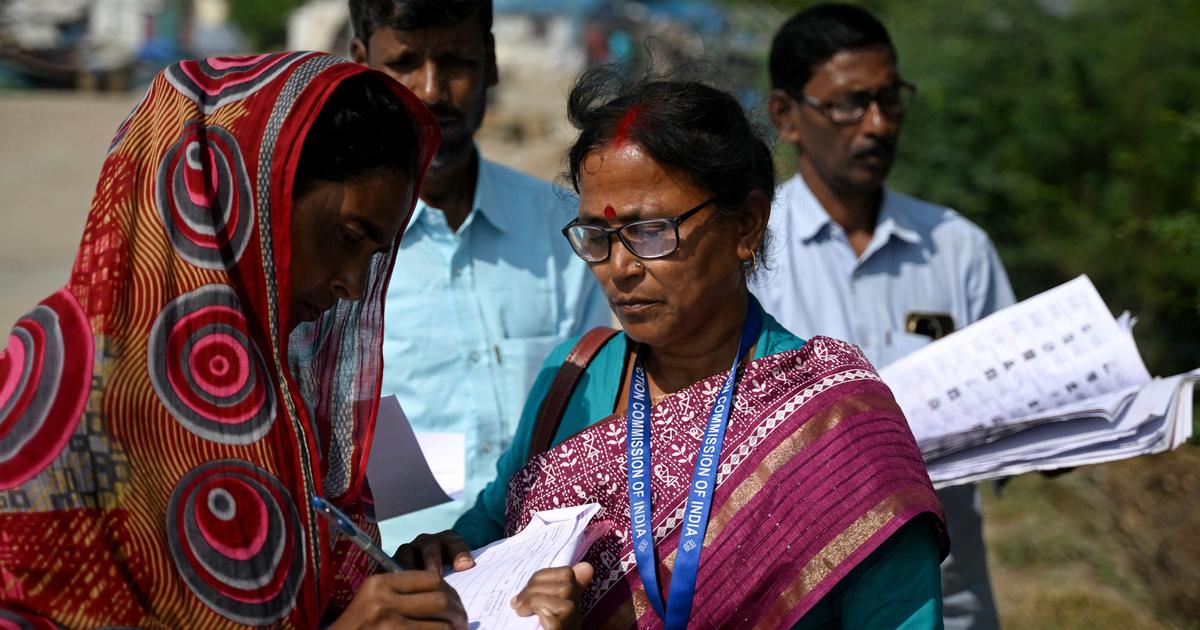
In a significant development for West Bengal’s electoral processes, the Supreme Court has announced its intention to request a report from the Chief Justice of the Calcutta High Court regarding the operational status of appellate tribunals. This decision comes in response to concerns raised about the tribunals’ effectiveness in addressing appeals related to the intensive revision of electoral rolls in the state.
During a hearing, Advocate Devadatt Kamat, representing individuals whose names were removed from the voter list, informed the bench that these appellate tribunals are currently inactive. Kamat highlighted that the legal representatives of the affected citizens have been barred from participating in hearings, which are predominantly being conducted via internet and computer-based applications. This situation has led to growing frustration among those advocating for their rights to be heard in a timely manner.
The Supreme Court, under the leadership of Chief Justice Surya Kant, expressed dissatisfaction over the continuous emergence of issues related to the electoral roll revision. Reports indicate that these matters have been brought before the court almost daily, prompting the Chief Justice to emphasize the need for a more structured resolution process. Kamat further elaborated that previous court directives were not being properly implemented, which has hindered the progress of the appeals.
In light of these challenges, Kamat has urged the court to expedite the hearing process for the appeals. He argued that if the tribunals were to uphold the appeals, the names of the petitioners should be included in a supplementary electoral list, thereby ensuring their participation in the electoral process. The Supreme Court recently directed the Election Commission to publish a supplementary electoral roll in West Bengal to accommodate voters whose appeals against deletions have been accepted.
This situation underscores the broader challenges facing electoral integrity in India, particularly in states like West Bengal where contentious political dynamics often affect the electoral process. The effectiveness of these tribunals is crucial, as they serve as a critical mechanism for citizens to contest unfair removal from voter lists and ensure their democratic rights are upheld. The Supreme Court’s intervention suggests a heightened awareness of these issues and a commitment to ensuring that the electoral process is transparent and fair for all citizens.