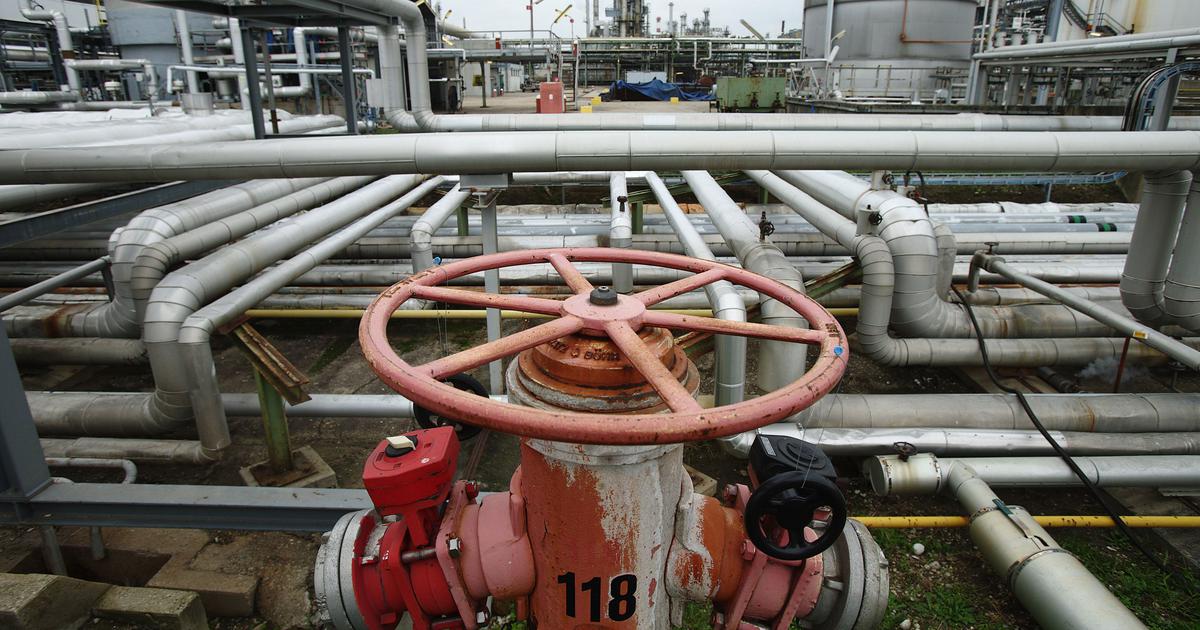
On Thursday, global oil prices soared more than 7%, reaching a four-year peak amidst reports that U.S. President Donald Trump is considering an extended blockade of Iranian ports. This significant spike has pushed the price of benchmark Brent crude to approximately $126.4 per barrel, although it slightly receded to $124 per barrel by noon Indian time. For context, Brent crude was valued at about $78 per barrel just a day before the current conflict erupted on February 27.
The situation arose after Trump directed U.S. officials to develop strategies for prolonging the blockade aimed at pressuring Iranian oil exports. This move is part of a broader strategy to compel Tehran to negotiate a peace agreement, as reported by The Wall Street Journal. The uncertainty surrounding these developments led to a preceding jump in global oil prices of over 3%, reaching $114.8 per barrel on Wednesday alone.
The escalation is further complicated by military maneuvers from the United States, which are reportedly preparing for swift and decisive strikes against Iran to resolve the ongoing stalemate in negotiations. According to Axios, three unnamed U.S. officials disclosed this strategy, reflecting a heightened state of alert and readiness for potential military action.
On February 28, the U.S. and Israel initiated a military campaign against Iran, citing Tehran’s actions as a significant threat to Israel’s existence. The U.S., known for its role as Israel’s security guarantor, has maintained a watchful eye on Iran’s military capabilities. In retaliation, Iran has targeted U.S. military installations in the region and has launched strikes against Israel, while also threatening major cities in neighboring Gulf nations and disrupting shipping activities.
The conflict has seen Iran effectively blocking the strategically vital Strait of Hormuz, a crucial chokepoint through which a significant portion of the world’s oil supply transits. The implications of these tensions extend beyond the immediate geopolitical landscape, as rising oil prices impact economies worldwide, including India, which relies heavily on imported crude oil. As consumers brace for potentially increased fuel prices, the Indian government may need to explore strategies to mitigate the economic fallout from these developments.