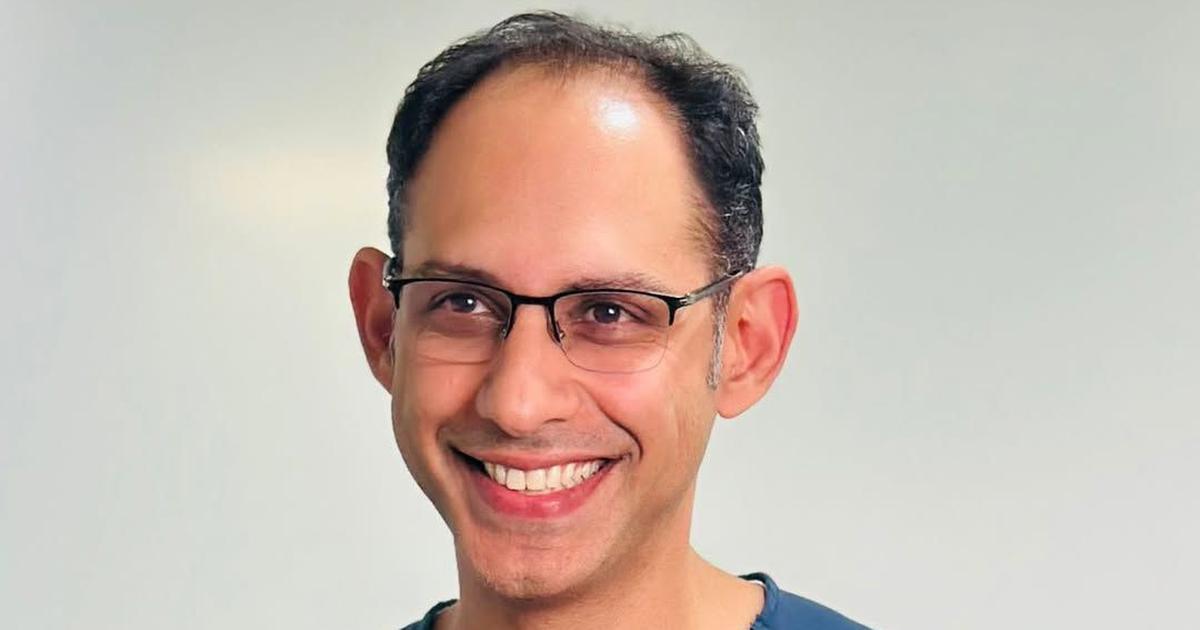
In a captivating new memoir, renowned neurosurgeon Dr. Vikram Desai sheds light on the profound and often humorous interactions he has experienced with his patients. The book, titled ‘Behind the Scalpel: Stories from the Operating Room’, offers readers an intimate glimpse into the life-and-death decisions that are a daily part of his practice. Through a series of heartfelt anecdotes, Dr. Desai illustrates the complexities of patient relationships, the emotional weight of surgical procedures, and the often unanticipated moments of levity that can arise even in the most serious of circumstances.
One particularly memorable encounter features a 40-year-old woman named Radha, who recently underwent surgery to remove a tumor from her spinal cord. Just two weeks post-operation, Radha found herself in the consulting room for a follow-up appointment. Her husband was briefly absent, having stepped out to the restroom, leaving Radha alone with Dr. Desai. With a blend of vulnerability and charm, she reached for her phone and cheekily called her husband, declaring, “Come quickly, I’m alone in the room with the doctor.” This unexpected moment set the tone for an appointment filled with unexpected warmth and light-hearted banter.
Radha, a mother of two with a warm demeanor, had surprised Dr. Desai with her candidness and spirit. As she leaned in, a playful smile on her face, she revealed that the very first time she laid eyes on him, she had made up her mind that he was the surgeon she wanted for her operation. When asked what inspired her choice, she cheekily replied, “Because you are so handsome!” This unexpected compliment caught Dr. Desai off guard, leading him to reflect on the multifaceted nature of patient interactions. It highlighted how the human connection often transcends the clinical environment, fostering an atmosphere of trust and comfort.
Dr. Desai’s memoir does not shy away from the gravity of neurosurgery. He recalls the meticulous discussions he had with Radha’s family before the surgery, detailing potential complications and the intricate nature of the procedure. Removing a 6 cm tumor from the spinal cord is no small feat; it requires immense skill, precision, and not a little bit of courage from both the surgeon and the patient. The book delves deep into such complexities, illustrating the delicate balance between hope and fear that families grapple with during these challenging times.
As Dr. Desai recounts these encounters, he also emphasizes the importance of empathy in medicine. He believes that every patient has a story worth telling, and these narratives often reveal deeper truths about life, resilience, and the human spirit. By sharing these experiences, he hopes to foster a greater understanding of the emotional journeys that patients endure, often behind the sterile walls of hospitals.
Ultimately, ‘Behind the Scalpel’ is more than just a collection of surgical anecdotes; it is a celebration of the human experience, capturing the laughter, tears, and triumphs that define the journey of healing. Through his engaging storytelling, Dr. Desai invites readers to look beyond the scalpel and appreciate the profound connections formed in the face of adversity.