Tamil Nadu continues to remain one of India’s most politically aware and economically significant states. Public discussions around governance, employment, education, industrial growth, agriculture and social welfare reflect the strong democratic engagement of its people.
The state has long been recognised for its industrial base, educational institutions, manufacturing ecosystem and social development initiatives. Citizens closely follow issues related to employment generation, infrastructure, welfare delivery, MSME growth, agriculture, price rise and youth opportunities.
Experts believe that regardless of political developments, stable governance and policy continuity are essential for economic progress. Administrative transparency, industrial confidence and long-term planning remain important for attracting investments and supporting sustainable development.
Employment generation continues to be a key priority. Tamil Nadu has strengths in automobiles, textiles, engineering, electronics, biotechnology, renewable energy and food processing sectors. Encouraging industries, startups and skill-based enterprises can help create opportunities for young people across urban and rural areas.
MSMEs also play a major role in the state’s economy. Small and medium enterprises contribute significantly to local employment and manufacturing activity. Industry associations have often highlighted issues such as electricity costs, taxation, delayed subsidies and operational expenses affecting smaller businesses.
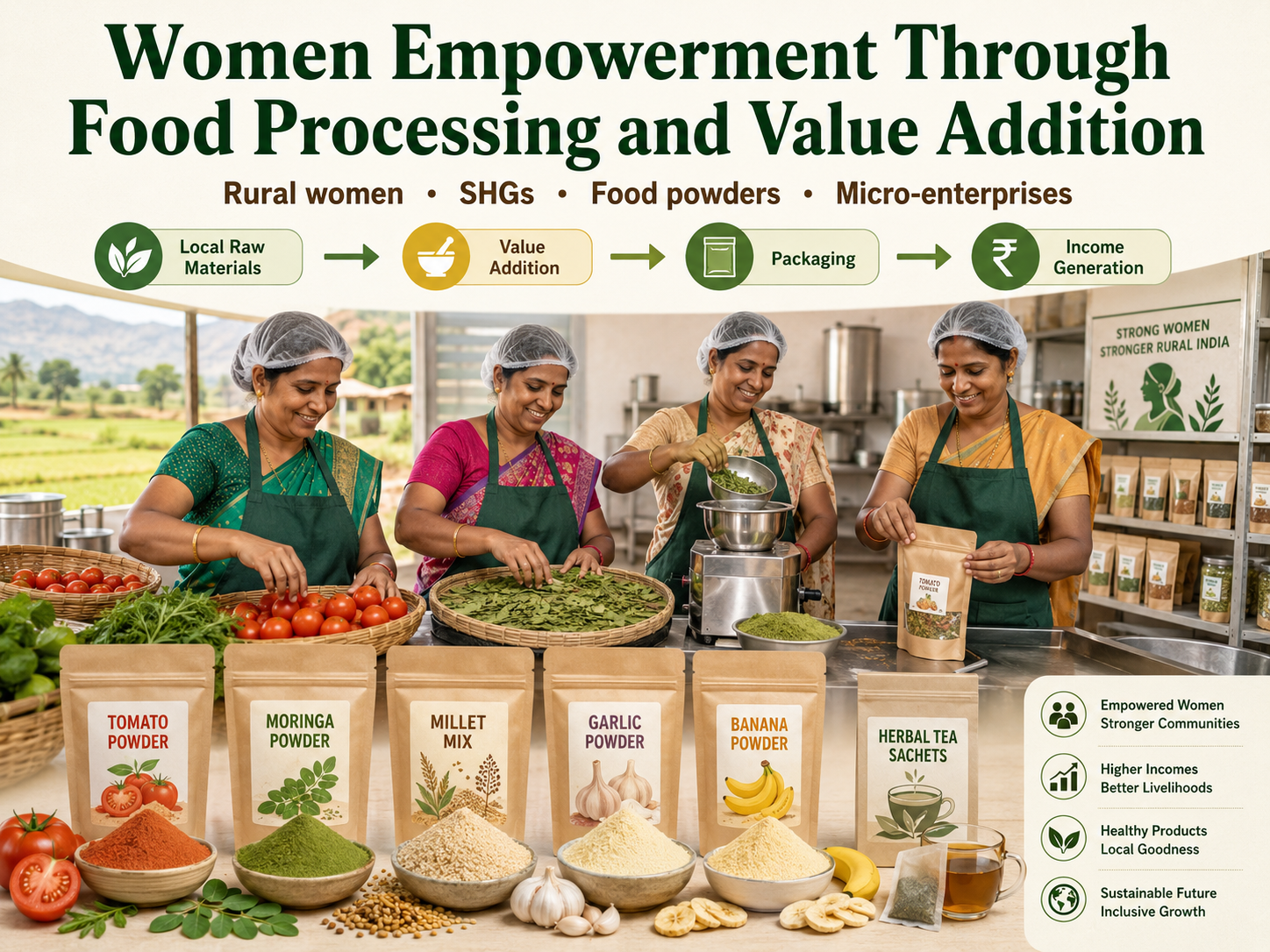
Agriculture and rural development remain equally important. Experts suggest that value addition, food processing, storage infrastructure and market connectivity can help improve farmer income and rural entrepreneurship. Women-led Self-Help Groups and micro-enterprises may also contribute to local economic growth.
Education continues to be a major public concern in Tamil Nadu. Access to affordable and quality education, skill development, research opportunities and professional training are frequently discussed policy areas. Many education experts have also raised concerns regarding the challenges faced by rural and economically weaker students in competitive examinations.
Analysts believe that democratic governance works best when governments, opposition parties, industries, farmers, educators and civil society all participate constructively in policy discussions.
Tamil Nadu possesses strong industrial capability, entrepreneurial culture and human resources. Sustainable development, transparent governance and inclusive growth can further strengthen the state’s economic and social progress in the coming years.