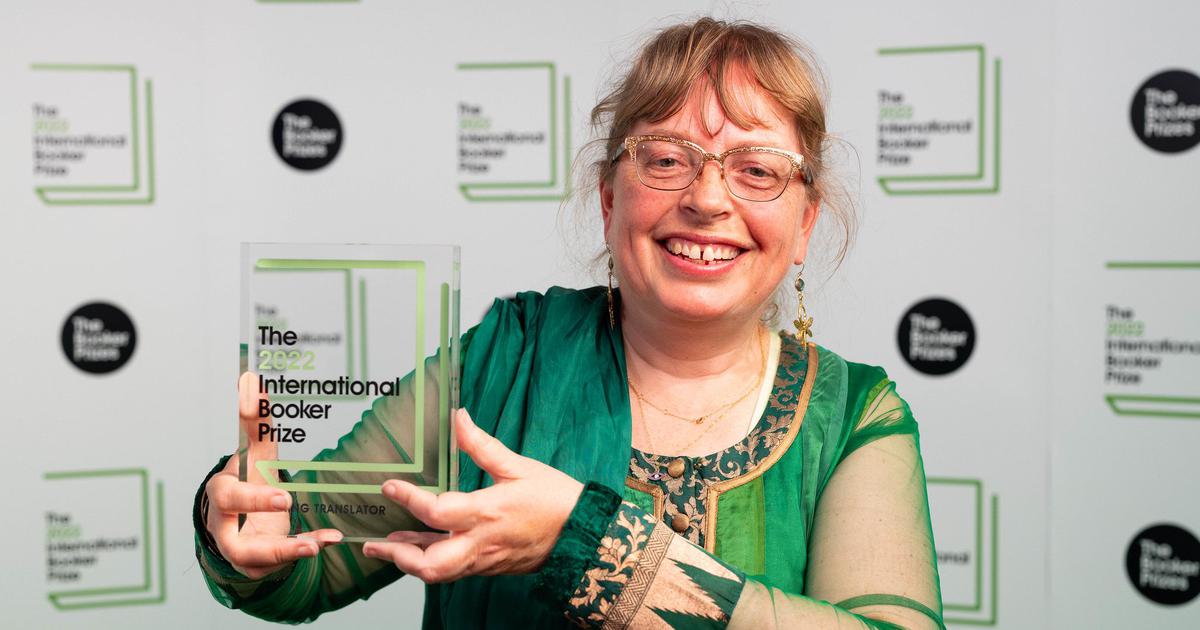
In the intricate world of literature, translation emerges as a unique endeavor that can be likened to a three-legged race. Renowned author and translator Daisy Rockwell recently articulated this metaphor, emphasizing the collaborative yet competitive nature of the role that both translators and authors play in bringing stories across linguistic borders.
The image of two partners tied together, attempting to navigate a race, captures the essence of the translation process. Rockwell suggests that this partnership is not merely about linguistic conversion; it represents a complex relationship where both the author and the translator are interdependent yet distinctly individual. While the translator is bound to the author’s original text, their journey is fraught with obstacles, akin to hopping through a maze where every turn can lead to uncertainty.
Translation, especially into English, has increasingly become a crucial gateway for authors wishing to share their narratives with a global audience. However, this dependence can create challenges, as the translator often bears the weight of rendering not just words, but the cultural nuances and emotions that encapsulate the original work. Rockwell’s perspective reminds us that while authors are free to pursue their literary endeavors independently, they often rely on translators to bridge the gap and introduce their voices to an international readership.
In a country like India, where multiple languages coexist, the role of the translator becomes even more significant. With a rich tapestry of cultures, Indian literature is increasingly gaining recognition worldwide, thanks to the dedicated efforts of translators who navigate linguistic and cultural complexities. The journey of each literary work from its original language into English (or other languages) is not merely a mechanical task but rather a creative process that requires empathy, understanding, and a deep respect for the source material.
As translators map their way through the diverse landscapes of Indian literature, they encounter both the familiar and the foreign. Each translation is a unique challenge, as they strive to retain the essence of the original text while making it accessible to a new audience. This balancing act can feel like a race through fields of wheat, where the translator must be agile enough to avoid pitfalls and ensure that the integrity of the story remains intact.
Ultimately, Rockwell’s metaphor of the three-legged race encapsulates the ongoing struggle and triumph of translators in the literary world. As they reach the finish line—where a book is published and shared with readers—they reflect on the journey that brought the story to life in a new language. It is a testament to the dedication and artistry involved in translation, paving the way for diverse voices to resonate across borders.