




The Evolution of Tagore’s Music Amidst Famine: A Cultural Transformation in 1940s Bengal
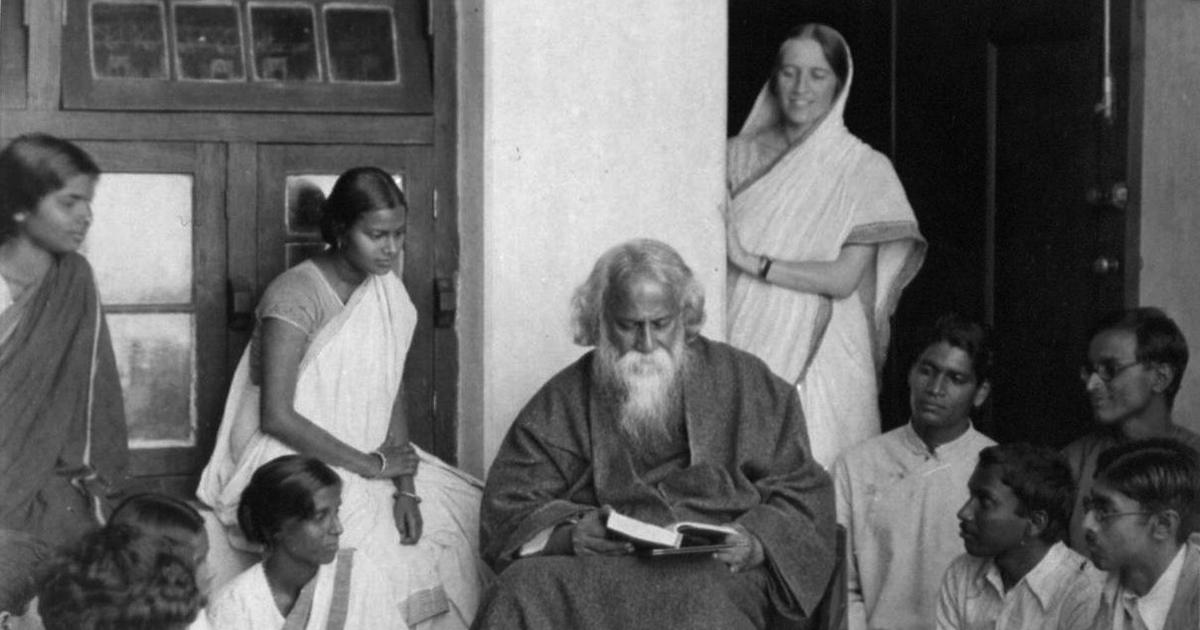
In the tumultuous backdrop of the 1940s, Bengal faced not just war but also a devastating famine that reshaped the cultural landscape of the region. At the heart of this transformation was Rabindrasangeet, the distinctive collection of songs created by the iconic polymath Rabindranath Tagore. Traditionally entrenched within the bhadralok domain—representing the educated, upper-caste middle-class elite of colonial Bengal—these songs began to find new resonance and meaning among a broader audience during this critical period.
The term Rabindrasangeet is synonymous with lyrical poetry fused with music, a cornerstone of Bengali cultural identity. However, as the famine ravaged the lives of countless people, the original context in which Tagore’s songs flourished began to shift dramatically. No longer confined to the drawing rooms of the elite, these songs started to penetrate the realms of political activism and collective performance. The social unrest and despair fueled by the famine prompted a re-examination of the genre, allowing it to engage with emerging leftist ideologies and movements.
During this era, organizations like the Youth Cultural Institute, founded in 1940, and the Indian People’s Theatre Association established in 1943, played pivotal roles in this cultural reorientation. These groups sought to harness the power of Tagore’s music as a means of protest and mobilization, embedding new political interpretations into the fabric of his works. The songs that once conveyed themes of beauty and spirituality took on urgent calls for social justice and human rights, reflecting the plight of those suffering from the famine.
Every year, as we celebrate Tagore’s birth anniversary, his songs are woven back into the cultural fabric through various institutional performances and commemorative events. These gatherings, held in concert halls and classrooms alike, aim to reinforce the timelessness of Rabindrasangeet, often portraying it as pristine and disconnected from contemporary political tumult. However, the historical context of the Bengal famine of 1943 challenges this notion, revealing a layered complexity that cannot be ignored.
The songs of Tagore during this famine were not merely a nostalgic echo of a bygone era; they became anthems of resistance and resilience. This period marked a profound transition where artistic expression served as a powerful medium of protest against colonial oppression and social inequality. As we reflect upon this rich legacy, it prompts us to consider how art and music can transcend their original intents and evoke solidarity in times of crisis.

