In a compelling revelation, the Centre for the Study of Organized Hate has reported a staggering 1,318 incidents of hate speech targeting religious minorities in India throughout 2025. This alarming figure, which translates to an average of four hate speech occurrences per day across 21 states, one union territory, and the National Capital Territory of Delhi, underscores the pressing issue of divisive rhetoric in the country.
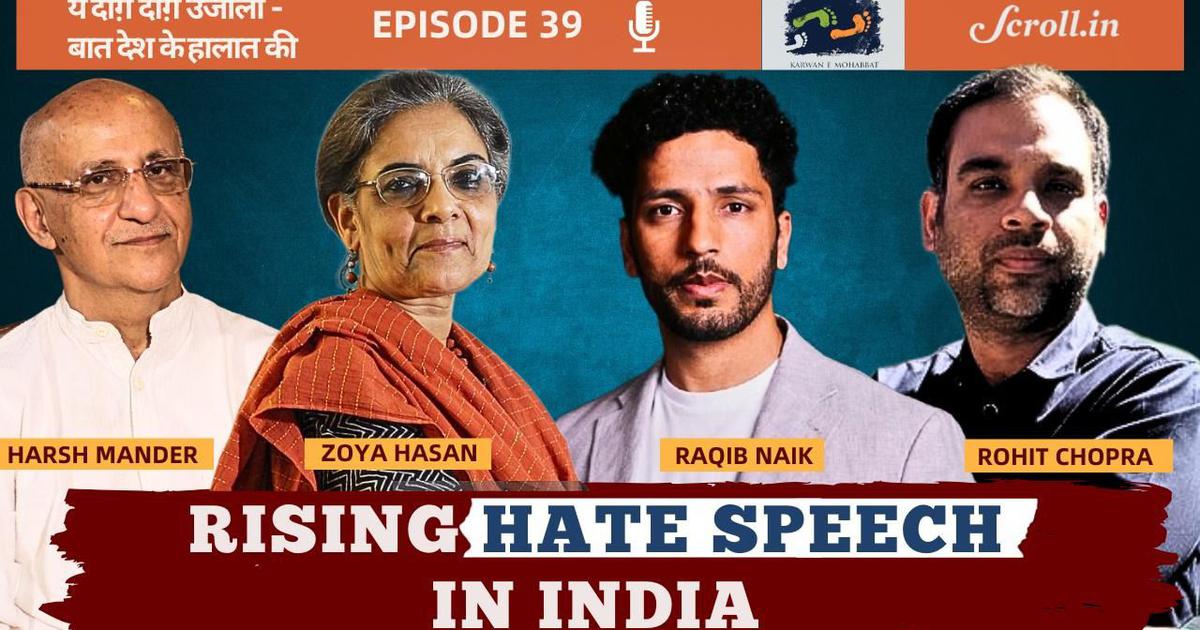
Recent discussions surrounding this topic have been moderated by renowned author and peace activist Harsh Mander. The dialogue features insights from a panel of experts, including Raqib Naik, the executive director of the Centre for Study of Organized Hate; esteemed political scientist and historian Zoya Hasan; and Rohit Chopra, a communication professor at Santa Clara University. Their collective expertise sheds light on the intricate ways language is being manipulated to foster division, both in physical spaces and within the digital landscape.
During the discussion, the panel delves into the critical role played by political discourse, the spread of misinformation, and the presence of organized networks that amplify societal divisions. This examination not only highlights the mechanisms by which hate speech is propagated, but also raises poignant questions regarding accountability and the responsibilities of media in shaping public narratives. The ongoing evolution of hate speech poses a significant threat to India’s democratic framework and social cohesion.
As the conversation unfolds, it becomes evident that the ramifications of hate speech extend far beyond mere words; they are reshaping public spaces and altering the very fabric of Indian society. The panelists advocate for a greater understanding of the implications of hate speech on communal relations and the urgent need for collective action to combat this rising tide.
The discourse is particularly relevant as it touches upon the future of democratic dialogue in India. With hate speech infiltrating both the public sphere and online platforms, it is imperative to consider how these developments threaten the ideals of a pluralistic society. The discussion encourages viewers to reflect on their role in fostering an inclusive environment that upholds the values of tolerance and coexistence.