In the complex landscape of Indian democracy, a noticeable shift is taking place as political outsiders gain traction among voters. This trend is thoroughly examined in Srirupa Roy’s insightful book, The Political Outsider: Indian Democracy and the Lineages of Populism, which delves into the evolution of India’s political fabric from the Emergency era to the emergence of figures like Narendra Modi and Arvind Kejriwal. Roy’s work sheds light on why modern electorates are increasingly attracted to leaders who position themselves as reformers aiming to ‘cure’ what they perceive as ailing democracy.
At the heart of this trend lies the concept of populism, characterized as a thin-centered ideology that paints a stark moral divide between a unified, virtuous populace and a corrupt elite. It signifies a growing discontent among the masses, who increasingly view traditional politicians and established systems as disconnected from their struggles. This rage against the status quo has propelled political newcomers into the limelight, making them appealing champions of the ‘common people.’
Roy argues that to better understand the current wave of populism, we must look beyond the immediate electoral successes of these outsiders. A deeper examination reveals that their rise is not solely fueled by emotional appeals and the politics of anger. Instead, it is intertwined with the underlying bureaucratic processes and institutional influences that have historically shaped Indian politics. This suggests that while the rhetoric of change and revolt against established norms resonates strongly, it is also a product of long-standing systemic issues.
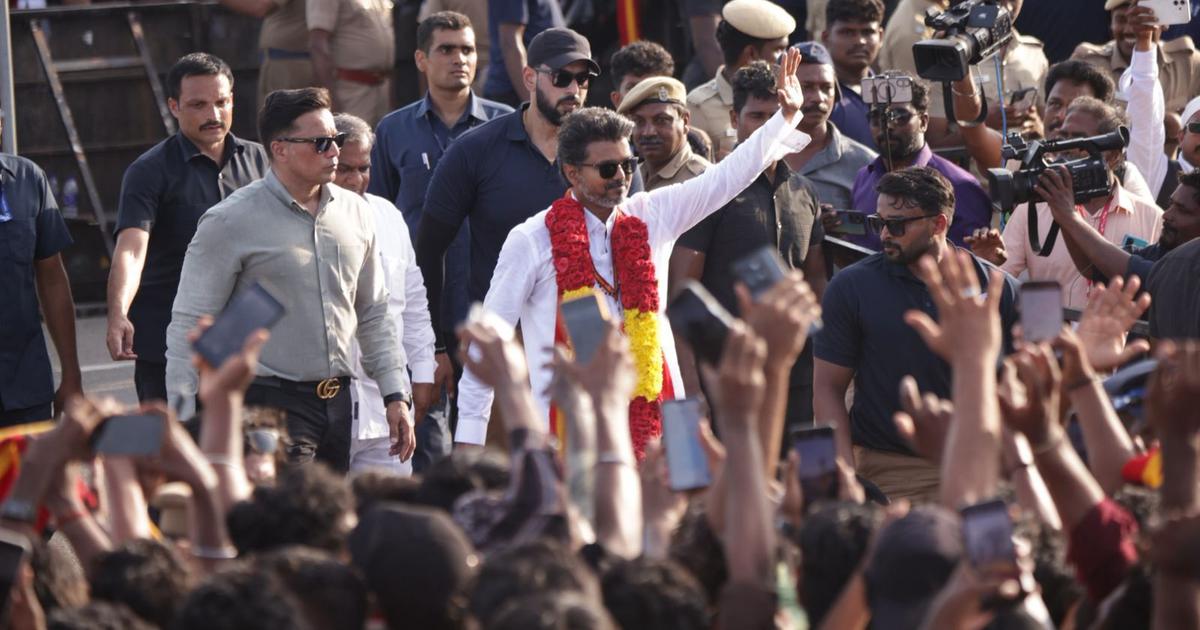
For instance, the ascent of leaders like Vijay of the Tamilaga Vettri Kazhagam is emblematic of this trend. His popularity among voters can be seen not merely as a spontaneous response to dissatisfaction but as part of a broader narrative in which people are seeking alternatives to the traditional political landscape. This desire for new representations that reflect their aspirations and grievances manifests in the significant support these outsiders garner.
The increasing appeal of political outsiders also raises questions about the future of electoral politics in India. As more citizens rally behind leaders who promise to break the mold of conventional governance, we may witness a profound transformation in how politics is conducted. The implications of this shift are vast, potentially reshaping policy directions and governance styles for years to come. Understanding this phenomenon is crucial for comprehending the dynamics of not just Indian democracy, but the global shift towards populist politics.