The Significance of Practical Environmental Education in India: Insights from Eco India Episode 321
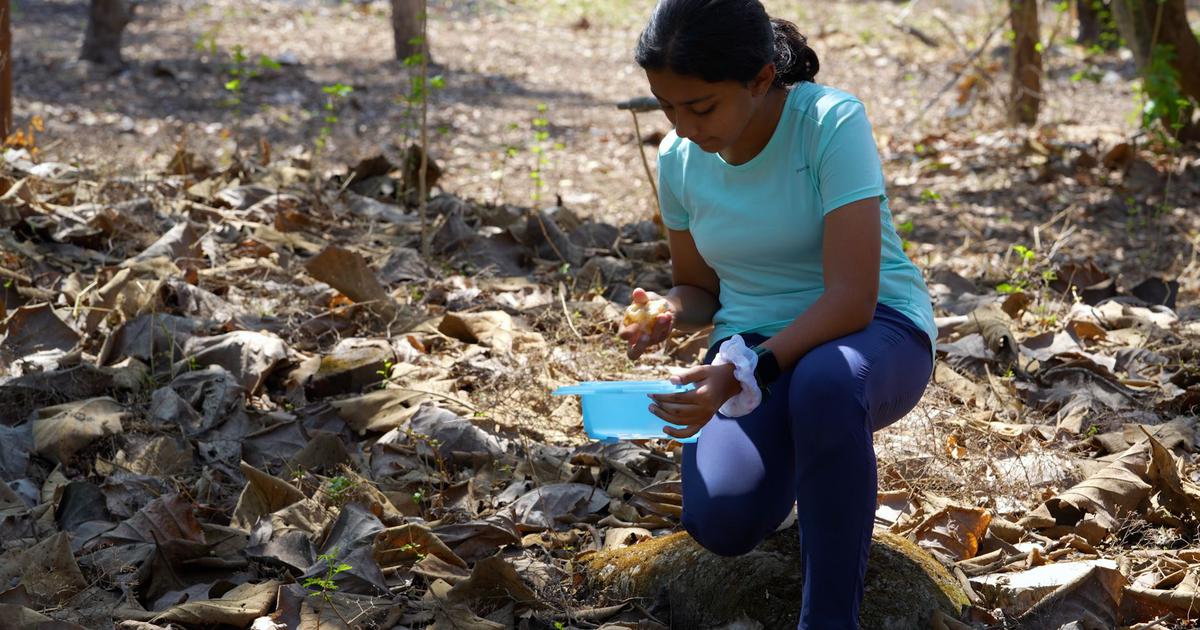
As India faces pressing environmental challenges, the need for effective education in ecology has never been more crucial. In the latest episode of Eco India, the discussion centered around incorporating real-world lessons into environmental education, emphasizing their paramount importance for fostering a deeper understanding of ecological issues among students.
Environmental education has traditionally been confined to textbooks, often neglecting the dynamic interplay between theory and real-life experiences. This gap can lead to a lack of engagement among students, who may view environmental issues as abstract concepts rather than tangible realities. By introducing practical lessons, educational institutions can ignite a passion for sustainability, encouraging students to engage actively with their surroundings.
For instance, hands-on experiences such as tree planting drives, waste segregation workshops, and nature trails can provide students with firsthand insights into the challenges and solutions related to environmental conservation. These initiatives not only enhance awareness but also empower young minds to take action, transforming them into proactive stewards of the planet.
Moreover, integrating local environmental issues into the curriculum can make learning more relevant and relatable. Students residing in urban areas can be taught about air pollution caused by vehicular emissions, while those in rural settings can explore the effects of deforestation on biodiversity and livelihoods. Such localized education fosters a sense of responsibility and encourages collaborative efforts within communities to combat environmental degradation.
While governmental policies and initiatives play a significant role in addressing environmental concerns, grassroots movements are equally important. Young environmentalists inspired by real-life experiences can contribute to advocacy efforts, participate in community clean-up programs, and even influence policy by bringing attention to critical environmental issues. The insights from Eco India’s episode highlight that the key to effective environmental education lies in creating a bridge between theoretical knowledge and practical application, ensuring that the future generation is well-equipped to tackle the ecological crises ahead.