The ongoing tragedy from an ammonia gas leak at a seafood processing and export facility in Tamil Nadu has escalated, with the death toll now reaching ten. This unfortunate incident occurred on Sunday in the Kannigaipair-Manjangaranai area, situated near Periyapalayam in the Tiruvallur district. The state government confirmed the fatalities on Wednesday, as more individuals succumbed to the consequences of exposure to toxic gas.
Reports indicate that a total of 83 workers were affected during routine operational activities at the facility, which specializes in shrimp processing. The ammonia leak led to severe health complications among the employees, who experienced symptoms such as breathlessness, eye irritation, coughing, chest discomfort, and respiratory distress. The health and family welfare department revealed that of those affected, 68 individuals are currently undergoing treatment and are under close medical supervision.
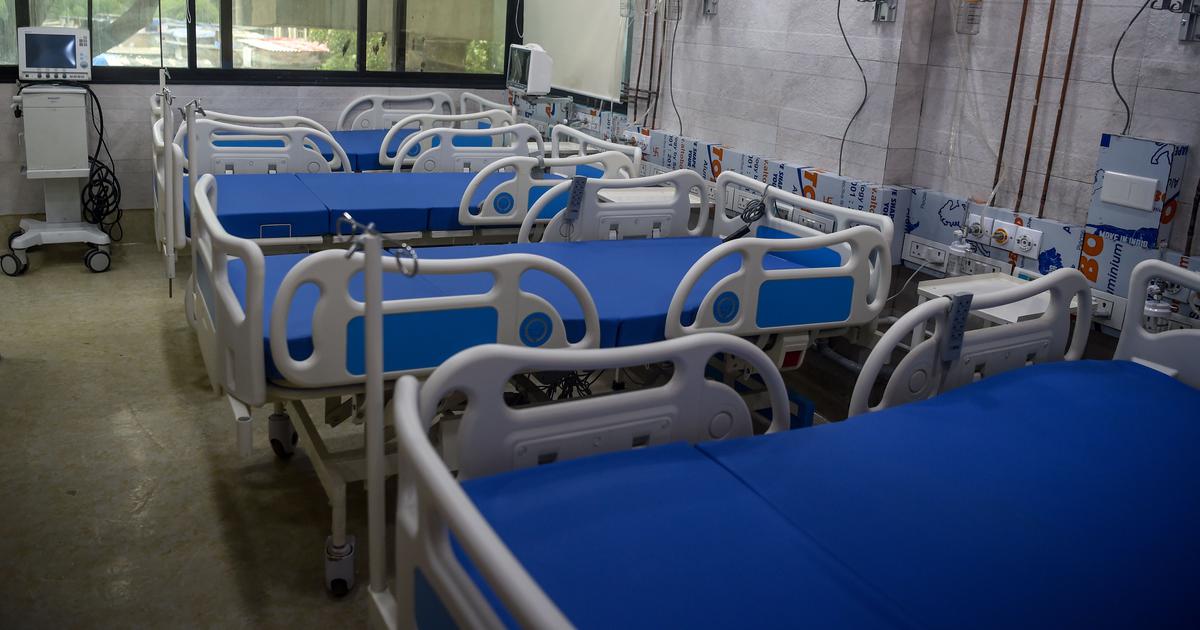
Among the hospitalized individuals, 65 are women, and three are men, highlighting the disproportionate impact of this tragedy on female workers. The situation remains critical, with 17 patients requiring ventilator support, while 21 are receiving supplemental oxygen through nasal assistance. Fortunately, five individuals have been discharged from the hospital, but the overall atmosphere remains somber as families grapple with the devastating news of lost loved ones.
The unfortunate rise in fatalities has unfolded over several days, with two deaths reported on the day of the leak, followed by six deaths on Monday, and additional casualties recorded on Tuesday and Wednesday. The state government has taken steps to airlift the remains of five deceased individuals back to Odisha, the state they hailed from. The transportation of the remaining bodies is pending the completion of legal formalities, as families await closure in the midst of this horrifying tragedy.
This incident raises significant questions about workplace safety standards within the seafood processing industry in India. As the country increasingly leans on its export capabilities, particularly in the seafood sector, ensuring that protective measures and safety protocols are rigorously followed is imperative to prevent such tragedies in the future. The government must prioritize the implementation of stringent safety regulations to safeguard the lives of workers who are vital to this flourishing sector.