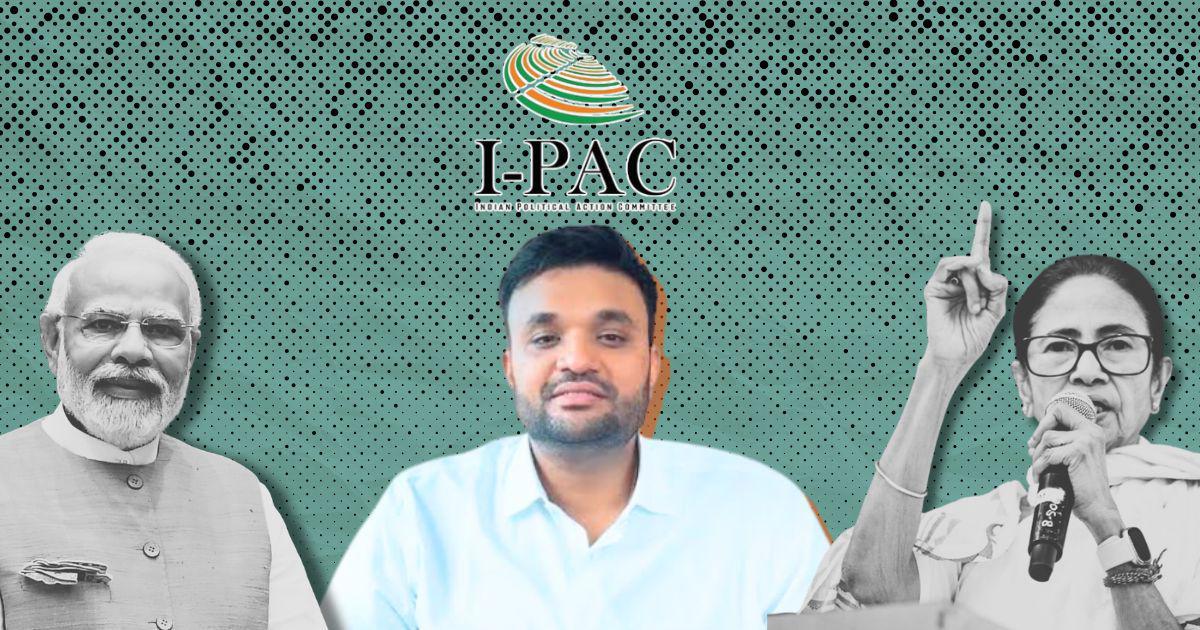
In a dramatic turn of events, the Trinamool Congress (TMC) is grappling with uncertainty as reports emerge about the Indian Political Action Committee (I-PAC) halting its operations in West Bengal. This revelation has sparked a wave of concern among party leaders about the potential implications for their election strategies, especially ahead of crucial upcoming polls.
During a recent press conference in Kolkata, TMC minister Shashi Panja appeared visibly agitated when confronted with questions regarding the Deccan Herald’s report on I-PAC’s suspension. While she dismissed the claims as “baseless,” her remarks also highlighted the party’s internal confusion over the consultancy’s situation. Panja went on to accuse the Bharatiya Janata Party (BJP) of misusing Central investigative agencies to undermine their electoral consultant’s credibility, indicating a strained political atmosphere.
Despite Panja’s reassurances about TMC’s ongoing collaboration with I-PAC, an internal email from the consultancy’s human resources department revealed a different narrative. The message, which emerged early on Sunday, instructed all I-PAC employees in West Bengal to take a leave of absence for 20 days, citing “certain legal issues” as the cause. This abrupt directive raises questions about the operational stability of I-PAC, which has been under scrutiny by the Enforcement Directorate (ED) since January.
The ED has intensified its investigation into I-PAC, conducting raids on its offices across various cities and summoning key directors for questioning. Such actions have led to heightened anxiety within TMC over the future of their campaign strategies that heavily rely on I-PAC’s expertise in electoral management and booth-level coordination.
The role of I-PAC in the TMC’s election preparations cannot be understated. With its deep understanding of voter dynamics and strategic campaigning, I-PAC has been instrumental in shaping the party’s outreach efforts and mobilizing grassroots support. The potential withdrawal of such a crucial ally could leave TMC vulnerable as it faces off against a resurgent BJP, which has been aggressively bolstering its presence in West Bengal.
As the political climate in the state becomes increasingly charged, TMC’s leadership must navigate these challenges carefully. The party’s reliance on I-PAC’s resources and expertise presents both an opportunity and a risk. If I-PAC’s operations remain halted for an extended period, the ramifications could be significant for TMC’s election prospects, potentially eroding their voter base and undermining their campaign effectiveness.
In conclusion, as the TMC faces this crossroads, the question remains: Can they adapt to the evolving political landscape without the support of I-PAC? Only time will tell if this setback will indeed hurt the party or if they can rally their resources to forge ahead.