Trump Amplifies Controversial Views on Birthright Citizenship, Labels India a ‘Hellhole’
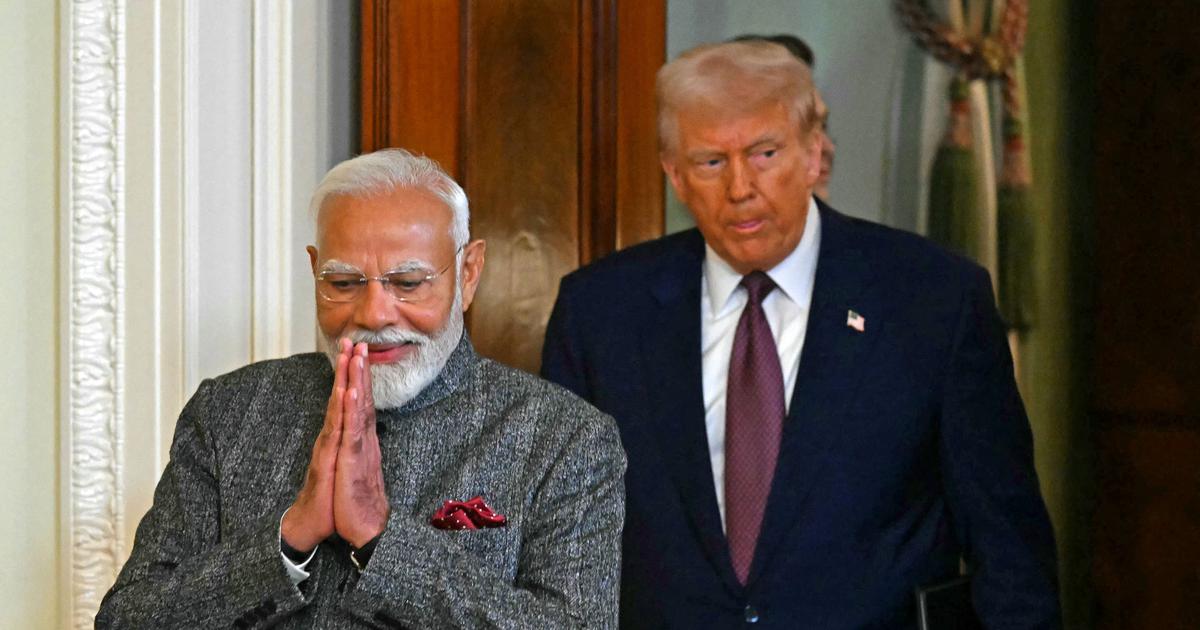
In a recent social media post, former U.S. President Donald Trump shared thoughts from Michael Savage, a prominent American commentator, on the contentious issue of birthright citizenship in the United States. Savage’s comments, made during a segment on Newsmax, controversially included a comparison of India to a ‘hellhole’ among other nations. This remark comes at a time when the U.S. Supreme Court is deliberating on cases related to the 14th Amendment and its implications for citizenship.
Trump’s long-standing position against birthright citizenship has been a hallmark of his political platform. This issue gained further traction after Trump signed an executive order in January 2025 aimed at restricting automatic citizenship for children born in the U.S. under certain circumstances. The legal basis for birthright citizenship stems from the 14th Amendment, which has been interpreted to guarantee that anyone born in the U.S. is a citizen, a point currently under examination by the Supreme Court.
During the broadcast, Savage argued that discussions around birthright citizenship should transcend legal jargon and reflect public sentiment. He suggested that the foundational principles of the U.S. Constitution were drafted in a different era—before modern air travel—and questioned the relevance of these laws when individuals are able to travel to the U.S. just before childbirth. By stating, ‘A baby here becomes an instant citizen, and then they bring the entire family in,’ Savage’s perspective taps into the fears and frustrations of many Americans regarding immigration.
The implications of such discussions are profound, especially considering the diverse Indian diaspora in the U.S. and their contributions to American society. Labeling a country like India as a ‘hellhole’ not only disregards its rich cultural heritage and advancements but also affects the sentiments of millions of Indians. Many Indian nationals have found success and security in the U.S., often contributing significantly to various sectors, including technology, healthcare, and academia.
As the debate on birthright citizenship unfolds, it raises essential questions about the evolution of immigration policy in the U.S., the perception of foreign nations, and the complexities of global mobility. With the Supreme Court’s ruling pending, the discourse surrounding citizenship and immigration continues to evoke strong reactions, highlighting the intersection of law, public opinion, and cultural perceptions in shaping the future of American society.