Tura/Shillong, April 2026: After days of tension and uncertainty, signs of normalcy are gradually returning to Tura and surrounding areas in West Garo Hills, as authorities ease restrictions and shift focus toward restarting the electoral process for the Garo Hills Autonomous District Council (GHADC).
Officials say the situation, once marked by violence and strict curfew, is now largely under control, allowing residents to resume daily activities during designated hours. At the same time, preparations are underway to ensure that the postponed GHADC elections can be conducted smoothly and without further disruption.
Gradual Return to Normal Life in Tura
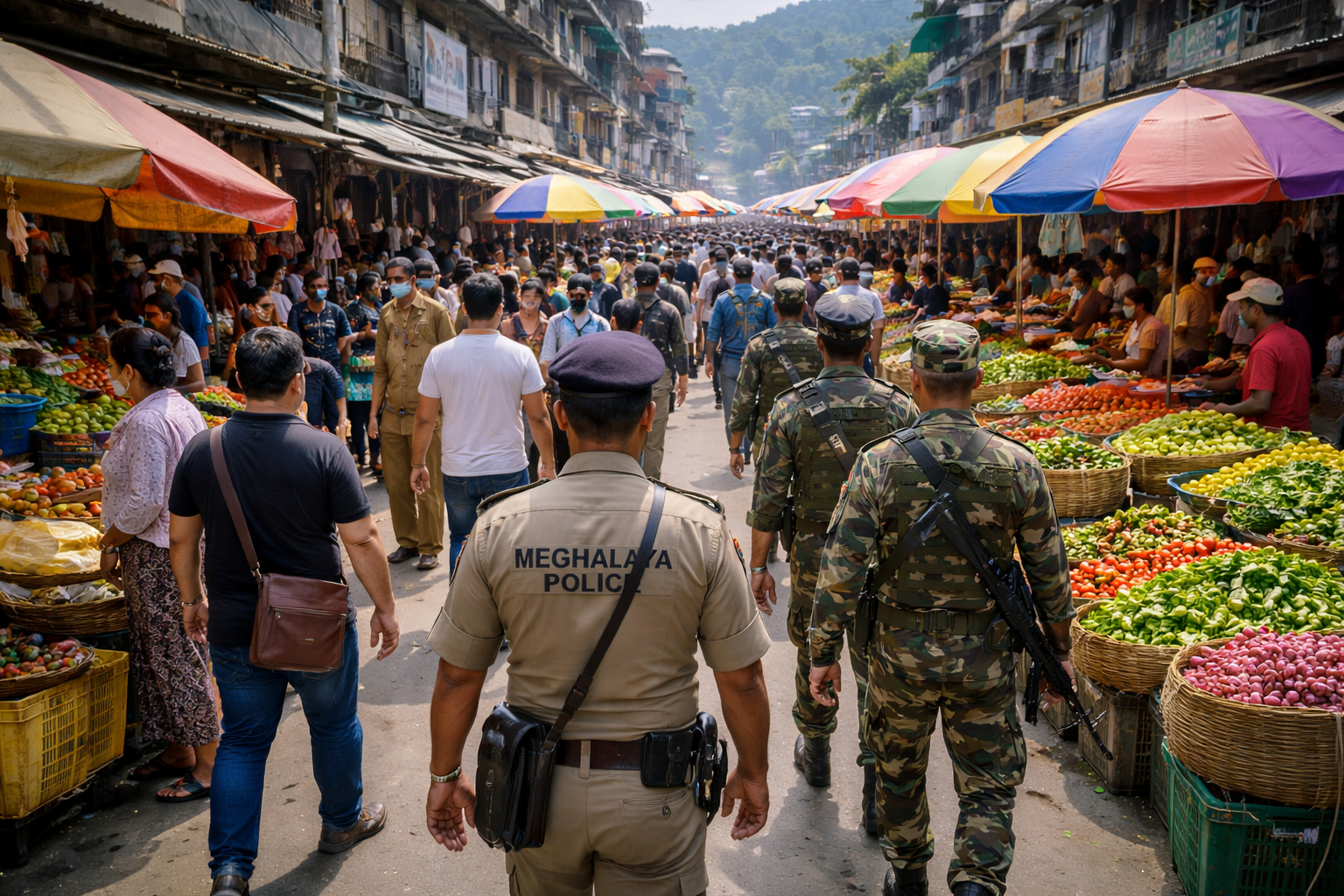
In recent days, curfew restrictions in Tura have been relaxed for longer periods, enabling markets, offices, and public services to reopen. Residents have cautiously returned to their routines, with shops operating during permitted hours and transport services slowly resuming.
The visible presence of security forces remains across key locations, but their role has shifted from crisis response to preventive monitoring. Officials describe the atmosphere as “calm but under watch,” indicating that while the immediate threat of violence has subsided, authorities are continuing to exercise caution.
Community leaders and local organizations have also played a role in restoring peace, encouraging dialogue and urging residents to avoid actions that could reignite tensions.
Background: Violence Disrupts Election Process
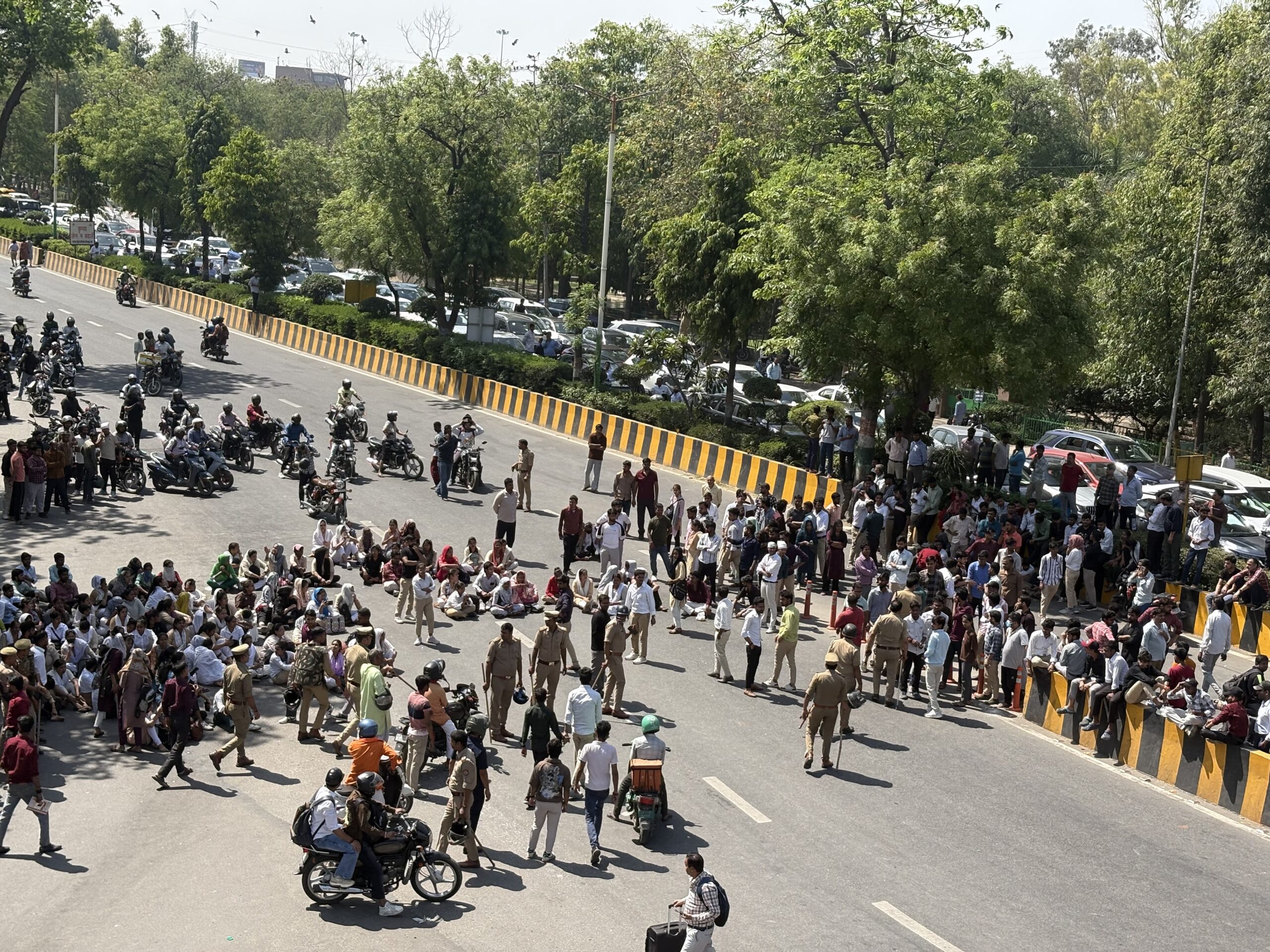
The unrest in West Garo Hills began during the nomination phase of the GHADC elections, when protests escalated into clashes between demonstrators and security personnel. The situation intensified to the point where police opened fire to control the crowd, resulting in the deaths of two individuals and injuries to several others.
In response, the district administration imposed a strict curfew and deployed additional security forces to prevent further escalation. The violence not only disrupted daily life but also cast uncertainty over the conduct of the elections.
The GHADC, a key institution under the Sixth Schedule, plays a crucial role in local governance and the protection of tribal interests in the region, making the stability of its electoral process particularly important.
Election Preparations Resume
With the situation stabilizing, the Meghalaya government has begun taking steps to revive the electoral process. One of the key measures underway is the preparation of a fresh electoral roll for the GHADC elections.
Officials say this step is aimed at ensuring transparency and restoring public confidence in the system. The updated rolls will help address concerns raised during the earlier phase and provide a more reliable foundation for the elections.
While a new date for the polls has not yet been officially announced, authorities have indicated that the elections will be held once they are confident that the environment is fully peaceful.
Focus on Peaceful and Transparent Elections
The government has emphasized that ensuring a peaceful election is its top priority. Lessons from the recent unrest have underscored the need for stronger coordination between administrative agencies, security forces, and community stakeholders.
Efforts are being made to engage with local leaders, civil society groups, and political representatives to prevent misunderstandings and reduce tensions. Authorities are also closely monitoring social media and public communication channels to prevent the spread of misinformation.
Political observers note that restoring trust among voters will be essential for the successful conduct of the GHADC elections.
Impact on Residents and Institutions
The recent unrest has had a noticeable impact on everyday life in Tura and nearby areas. Businesses faced temporary closures, students experienced disruptions due to postponed examinations, and public services operated under restrictions.
However, the gradual easing of curfew has brought a sense of relief to residents, many of whom are eager to return to normalcy. Markets are seeing increased activity, and daily routines are slowly being reestablished.
The experience has also highlighted the resilience of local communities, who have worked together to maintain peace in the aftermath of the violence.
Looking Ahead
As stability returns to West Garo Hills, the focus now shifts to sustaining peace and ensuring that the upcoming election process proceeds without incident. Authorities are expected to continue monitoring the situation closely while gradually lifting remaining restrictions.
The success of the next phase will depend on cooperation between the government, political leaders, and the public. Ensuring a secure and transparent electoral process will be key to restoring confidence and strengthening local governance.
Conclusion
The improving situation in Tura marks an important step toward recovery after a period of unrest. As Meghalaya prepares to move forward with the GHADC elections, maintaining peace and public trust will be crucial