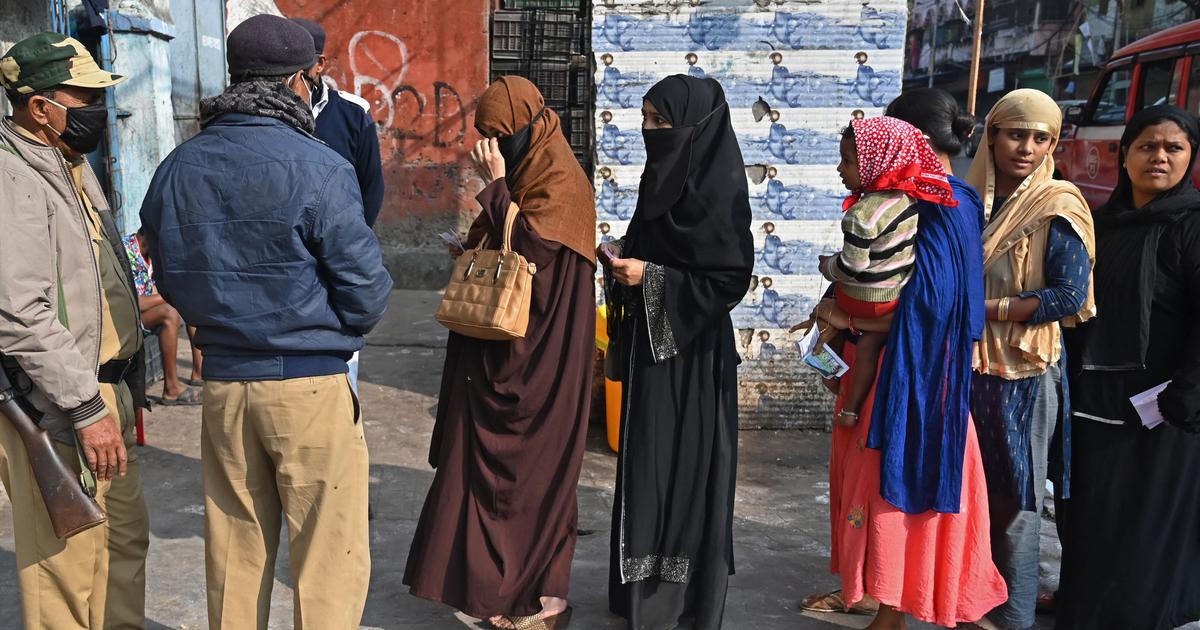
India’s megacities, including Delhi, Kolkata, and Mumbai, collectively home to around 75 million residents, are grappling with a significant paradox. Despite their vast populations, these cities struggle to achieve a commensurate level of urban productivity, liveability, or global economic stature, as highlighted in the Union government’s Economic Survey for 2025-26. The survey refers to these urban hubs as “engines of growth” and “magnets for talent,” yet it also identifies them as “sites of daily strain” characterized by long commutes, inadequate services, and communal spaces that often fail to meet public expectations.
While the Indian government has invested over Rs 8.36 lakh crore in the last decade to enhance urban local bodies through the Ministry of Housing and Urban Affairs and the XIV and XV Finance Commissions, a recent report by Janaagraha and the Jana Urban Space Foundation reveals that these cities continue to score poorly on liveability metrics. Experts attribute this failure to a fragmented approach in urban management across various local authorities, development agencies, and state departments. The result is that local governments, which should be pivotal in urban governance, lack the necessary empowerment to fulfill their roles effectively.
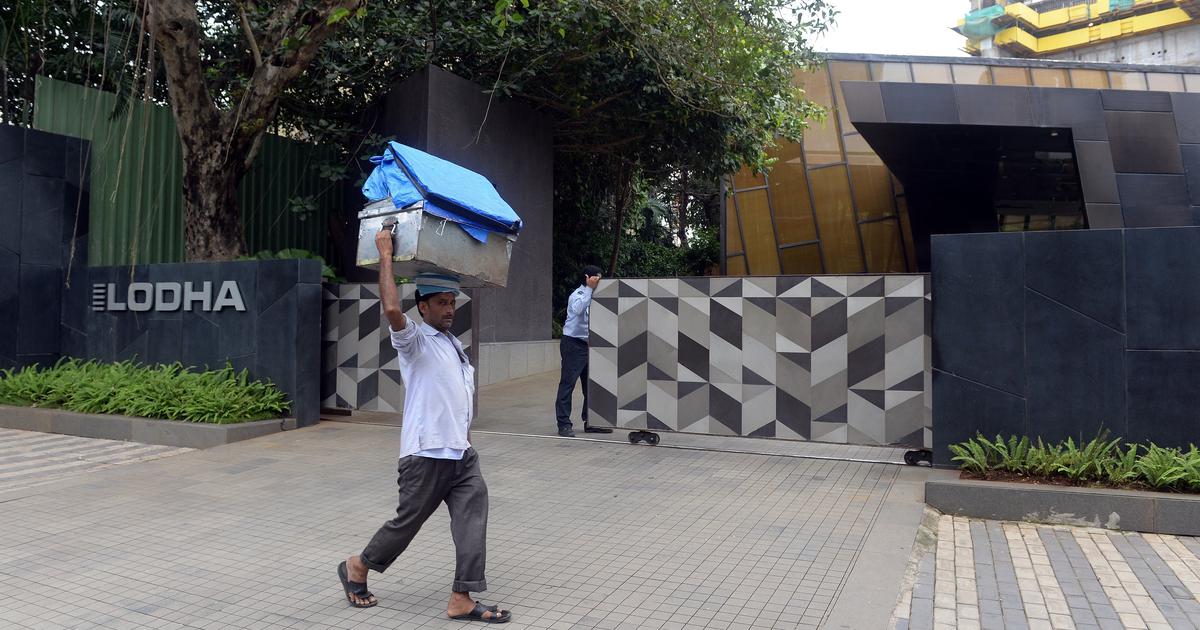
As India’s urban demographic is projected to rise from the current 522 million to approximately 723 million by 2050, the urgency for reform in urban management grows. Akash Pharande, Managing Director at a prominent urban consulting firm, emphasizes that without significant changes in governance and planning, cities will inevitably face greater challenges. The retreat of prosperous citizens into gated townships further exacerbates this issue, creating pockets of affluence that contrast starkly with surrounding areas struggling with infrastructure and service delivery.
The increasing trend of affluent Indians seeking refuge in gated communities is not merely a personal choice but a reflection of deeper systemic issues. These self-contained enclaves often provide better amenities, security, and environment that urbanites seek, yet they also contribute to urban divide. As wealth accumulates in these exclusive spaces, the socio-economic gap widens, leaving vulnerable populations in inadequately serviced urban settings.
Moreover, the allure of gated townships highlights a troubling trend in urban development where the focus is increasingly on segregating communities by wealth. This shift not only diminishes the sense of community and shared responsibility but also places immense pressure on the remaining urban areas, which often bear the brunt of inadequate infrastructure and public services.
In conclusion, the current trajectory of urbanization in India requires immediate intervention. Thoughtful planning and empowerment of local governments are crucial to ensure that cities become more inclusive and livable for all residents. Addressing urban inequality is not just a policy challenge; it is essential for fostering a more equitable society where every citizen can thrive.