In a significant shift within the realm of South Asian geopolitics, the United States has made a notable move by reverting its Indo-Pacific Command back to its historical designation as the US Pacific Command (USPACOM). This structural change effectively signals a departure from the 2018 policy that sought to combine the maritime strategies of the US across the Pacific and Indian Oceans. With this adjustment, the Indian Ocean appears to be relegated to a secondary role, viewed more as a strategic contingency rather than a primary theater of operations.
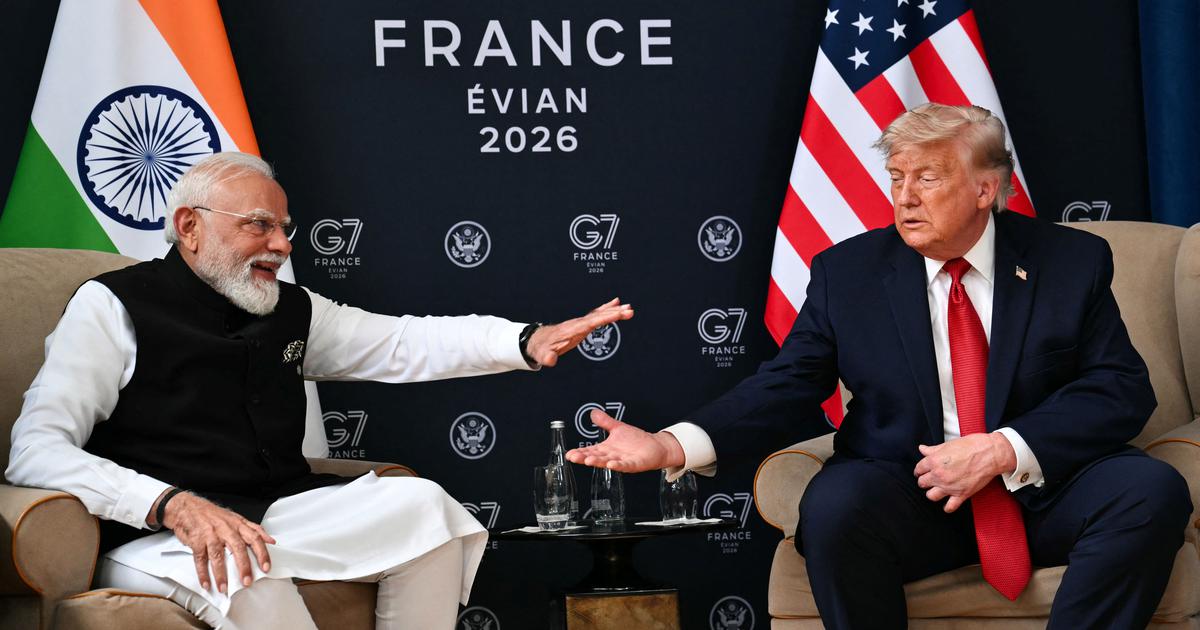
This recalibration of focus indicates that Washington is prioritizing its relationships with China and Pakistan over its ties with New Delhi. The recent administrative downgrade has raised eyebrows, yet India seems unfazed, striving to reinforce its commitment to its partnership with the US. Even under a newly structured command that positions the Indian Ocean as less critical, India is preparing to engage more closely with American strategic interests.
The implications of this shift are far-reaching. The Pacific has re-emerged as the nucleus of American geopolitical strategy, highlighting its significance as a critical arena for global tensions, especially with China, which has been identified as the US’s principal “near-peer” competitor. This renewed focus on the Pacific underscores the US’s intention to address the growing influence of China, along with the strategic complexities presented by Russia to the northeast.
For India, this presents a challenging scenario. While New Delhi has consistently aimed to enhance its stature as a regional power, the downgrading of the Indian Ocean’s significance may affect its maritime strategy and influence. India has long viewed the Indian Ocean as a vital area for its security and economic interests—an area it has sought to dominate amidst rising competition from China, which is increasing its naval presence in these waters.
Furthermore, this shift could alter the dynamics of American assistance and collaboration in terms of defense and security for India. While India remains committed to strengthening its alliance with the US, the recent reorientation of American strategy necessitates a reevaluation of its own geopolitical stance. New Delhi must now navigate a complex web of international relationships, balancing its historical ties with Russia and the pressing need to engage with other key players in the Indo-Pacific region.
As the US recalibrates its focus, India faces a critical juncture. The nation must strategically assess its alliances and regional influence to ensure it does not get sidelined in the broader geopolitical contest between the US and its foremost competitors. With the Pacific taking precedence, the question remains: how will India adapt its strategies to secure its interests in an increasingly multipolar world?