Kaziranga | Wildlife Desk
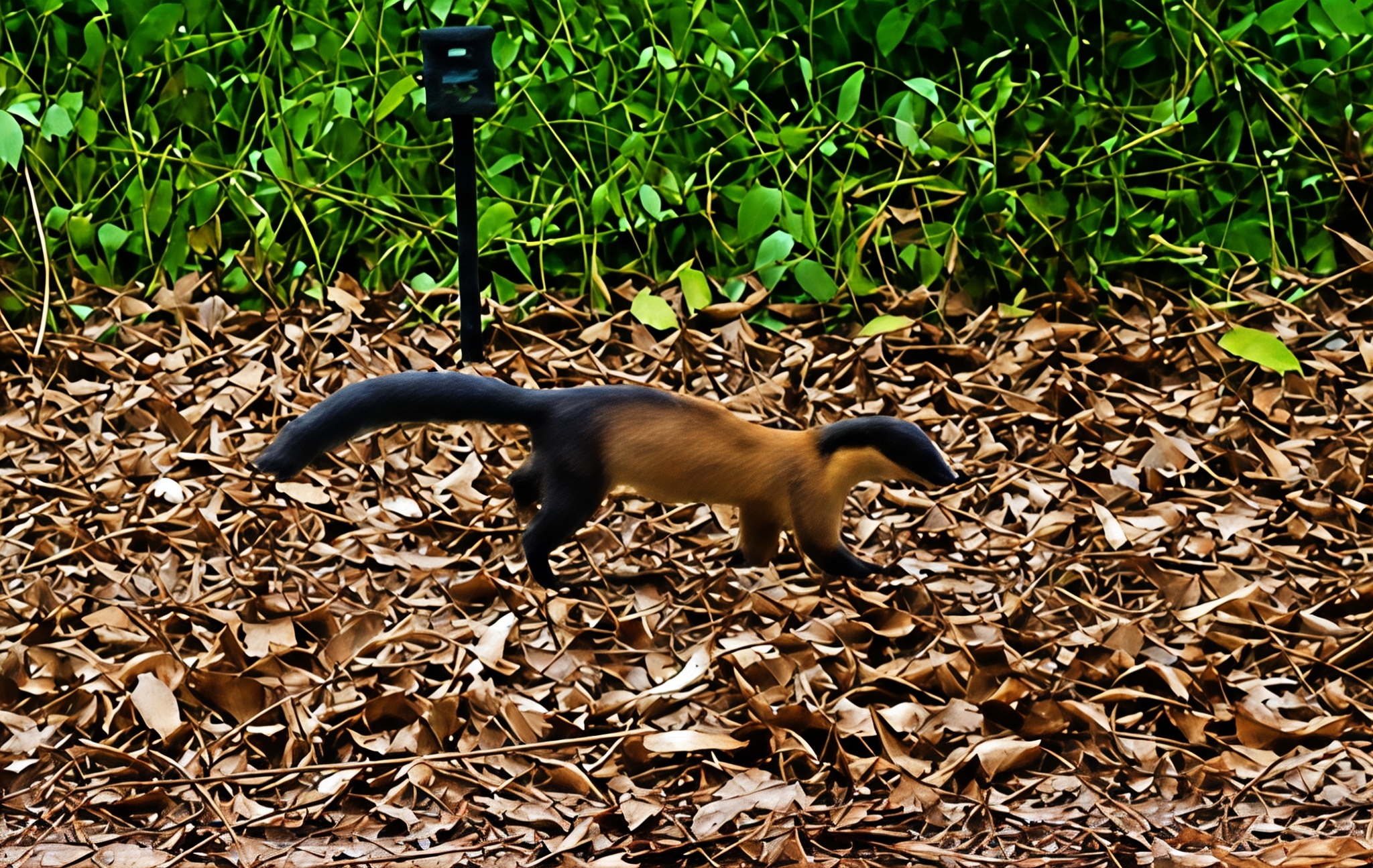
A Yellow-throated Marten has been documented for the first time in the World Heritage Site, Kaziranga National Park and Tiger Reserve, according to a press statement issued by the park’s Field Director.
The species was captured in camera traps installed by the park’s Tiger Cell, which monitors tiger movements and wildlife activity within the reserve. The camera-trap images provide the first documented evidence of the Yellow-throated Marten’s presence in Kaziranga.
Wildlife experts identify the Yellow-throated Marten as an agile carnivorous mammal belonging to the Mustelidae family. The species is known for its intelligence, active behavior, elongated body, glossy fur, and distinctive yellow or golden coloration on its throat, from which it derives its name.
The animal is primarily active during the daytime and is highly skilled at climbing trees. Its diet includes fruits, birds, small mammals, reptiles, and insects. Ecologists note that the species plays an important role in forest ecosystems by dispersing seeds through fruit consumption and helping regulate populations of smaller animals.
In India, the Yellow-throated Marten is generally found in the Himalayan foothills, the northeastern states, and several forested regions across the country. Although its presence in Assam was already known, there had been no documented record of the species from Kaziranga National Park and Tiger Reserve until now.
Forest officials have described the camera-trap photographs as an important addition to the park’s biodiversity records. The discovery highlights the ecological richness of Kaziranga and demonstrates the value of scientific wildlife monitoring in identifying and documenting species inhabiting protected areas.
The latest record adds another species to the growing list of wildlife documented within the national park and reinforces the importance of continued conservation efforts in one of India’s most significant biodiversity landscapes.