Archaeological Survey Appeals for Protection of Historic Mosque in Gujarat Amidst Controversial Gathering Plans
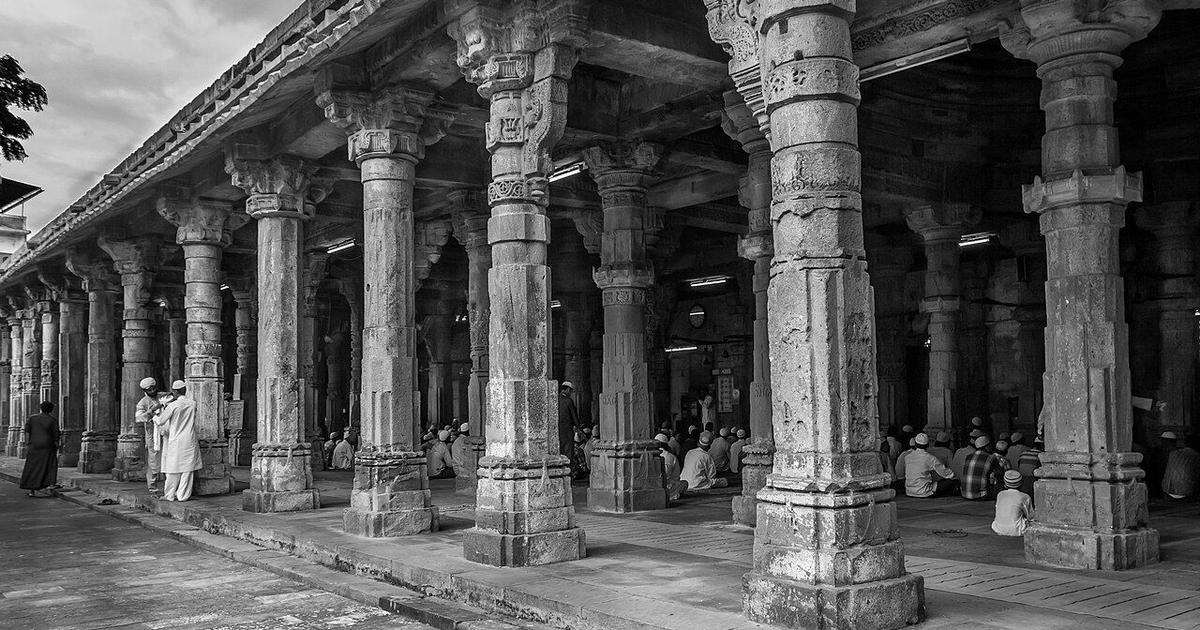
The Archaeological Survey of India (ASI) has taken a proactive stance in safeguarding the historical Jami Masjid in Gujarat’s Bharuch district amid rising tensions and plans for a controversial gathering. This mosque, a 14th-century structure recognized for its cultural significance, is facing potential threats as calls for a June 15 assembly at the site circulate across social media platforms. The ASI is urging local authorities to act swiftly to prevent any gatherings that could jeopardize the monument’s integrity.
Reports indicate that the planned gathering is organized by the Hindutva group, Rashtriya Dharohar Sanrakshan Samiti, which has been actively campaigning since mid-May to assert claims that the mosque should be recognized as a Jain religious site. This movement has raised concerns about communal tensions in an area known for its rich cultural heritage and diverse religious practices. The Jami Masjid, situated near the historic Bharuch Fort and the Malbari Darwaza, holds a significant place in India’s architectural and historical narrative, having been officially designated as a monument of national importance in a gazette published in May 1909.
In a letter addressed to the district collector and magistrate on Wednesday, the superintending archaeologist of the ASI’s Vadodara circle emphasized the need for protective measures at the mosque. Citing the potential for unrest, the archaeologist referred to alarming information received from the mosque’s president regarding viral videos and social media messages that are urging people to gather at the site. The letter expressed concern over the sensitive nature of the monument and warned that such gatherings could lead to untoward incidents, endangering communal harmony and potentially inflicting physical damage on the mosque itself.
The ASI’s call to action highlights the ongoing struggle to maintain peace and uphold the sanctity of historical sites in India, where religious sentiments can sometimes clash with efforts to preserve cultural heritage. As the date of the proposed gathering approaches, the ASI’s plea underscores the importance of dialogue and understanding in a nation marked by its rich tapestry of religions and cultures.
As tensions grow around the Jami Masjid, it serves as a reminder of the delicate balance between preserving historical monuments and navigating the complexities of modern communal relationships. With the potential for conflict looming, it is crucial for the district administration to act decisively to ensure that this important piece of India’s heritage remains undisturbed.