Bengaluru’s Water Crisis: The Urgent Need for Efficient Wastewater Management in an Expanding Industrial Landscape
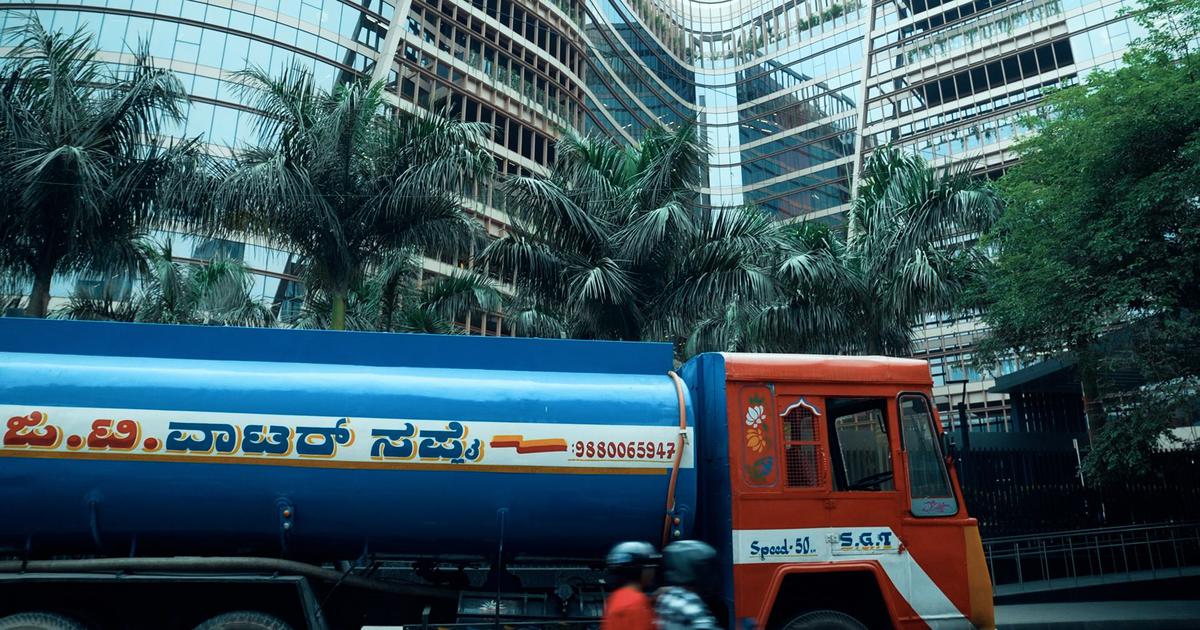
Bengaluru, often termed the Silicon Valley of India, is witnessing an unprecedented surge in industrial growth. As the city rapidly expands its technological and manufacturing sectors, the pressing issue of water scarcity looms large. With the population crossing over 12 million, the demand for water has escalated, and managing this precious resource has become paramount. One effective solution lies in the city’s treated wastewater, which, if harnessed correctly, could significantly alleviate the mounting pressure on Bengaluru’s water supply.
Currently, Bengaluru’s wastewater treatment infrastructure is underutilized. The city generates an estimated 1,400 million litres of sewage daily, but only about 50% of this is treated and reused. The industrial sector, which consumes a vast amount of water, is increasingly looking towards treated wastewater as a viable alternative. Not only does this practice promise sustainability, but it also stands to reduce the strain on fresh water resources.
Despite the availability of treated wastewater, industries have been slow to adopt it due to concerns over quality and regulatory hurdles. However, with the right investment in infrastructure and technology, the city could enhance the quality of treated wastewater to meet industrial standards. Furthermore, public-private partnerships could pave the way for innovative solutions, enabling industries to utilize treated water efficiently without compromising on their operations.
Government initiatives also play a crucial role in encouraging the use of treated wastewater. Policies that incentivize industries to adopt sustainable practices, along with awareness campaigns that highlight the benefits of using treated water, could shift perceptions. Moreover, effectively managing and distributing treated wastewater can lead to significant cost savings for industries, making it an economically attractive option.
In conclusion, as Bengaluru continues to grow, the importance of managing treated wastewater cannot be overstated. By investing in better infrastructure, ensuring quality standards, and creating supportive policies, the city can turn its wastewater challenge into an opportunity. This not only promises a sustainable future for Bengaluru’s industries but also contributes to the overall conservation of its water resources, thereby enhancing the quality of life for its residents.