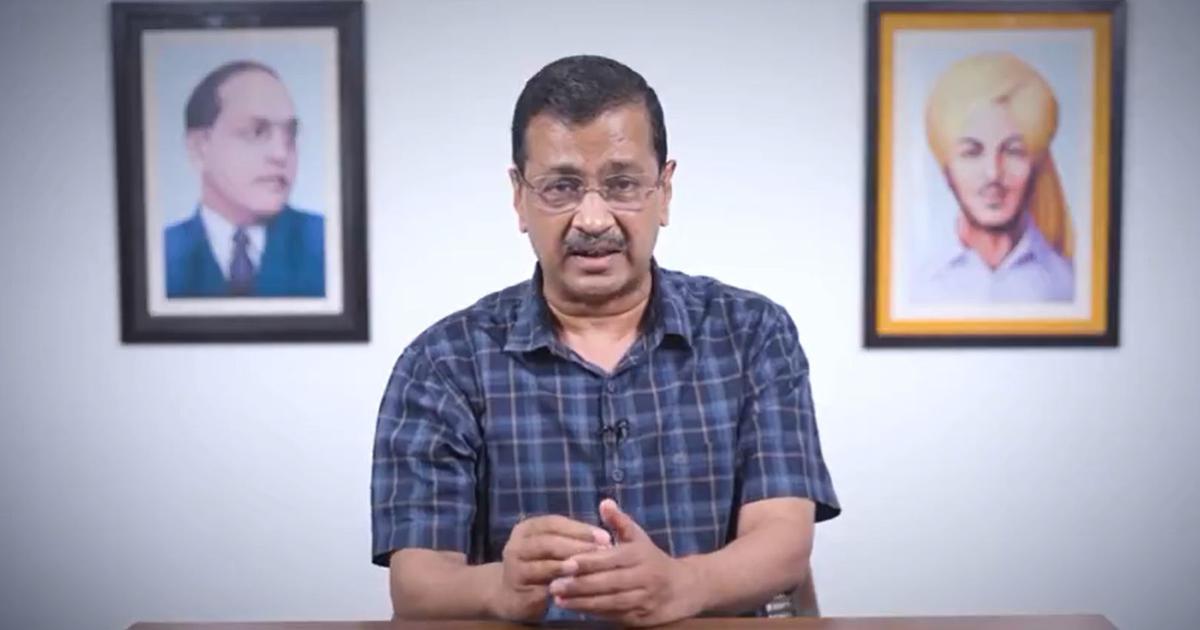
In a significant political maneuver, the Rajya Sabha chairperson C.P. Radhakrishnan has officially sanctioned the merger of the Aam Aadmi Party’s (AAP) legislature unit in the Upper House with the Bharatiya Janata Party (BJP). This decision comes just days after seven out of ten AAP MPs in the Rajya Sabha announced their departure from the party to align with the BJP’s legislative faction.
The seven defectors, including prominent AAP figure and former deputy leader Raghav Chadha, will now be recognized as part of the BJP in the Rajya Sabha. This merger boosts the BJP’s strength in the 245-member House to 113 MPs, moving them closer to a majority, which requires 123 seats. With the BJP-led National Democratic Alliance (NDA) now holding at least 136 seats, the political landscape in the Upper House has shifted dramatically.
This increase in strength is crucial for the BJP as it attempts to navigate various legislative challenges and maintain its dominance in Parliament. The BJP’s current tally of 113 includes five MPs who were nominated and subsequently joined the party, while there are also seven other nominated members who are not affiliated with the BJP.
Amidst this upheaval, AAP’s Rajya Sabha leader Sanjay Singh has taken a strong stance against the defections. He submitted a petition to the Rajya Sabha chairperson, urging the disqualification of the seven MPs based on claims that their switch constitutes defection, thereby breaching the anti-defection law. Singh’s petition underscores the ongoing tensions between the AAP and the BJP, as the former seeks to contest what they perceive as a betrayal of party principles.
The AAP currently holds three seats in both the Rajya Sabha and the Lok Sabha. This recent development raises questions about the party’s strategy moving forward and how it plans to regain its footing in the face of significant defections. As the political climate in India evolves, observers will be keenly watching how both the BJP and AAP navigate this shifting terrain.