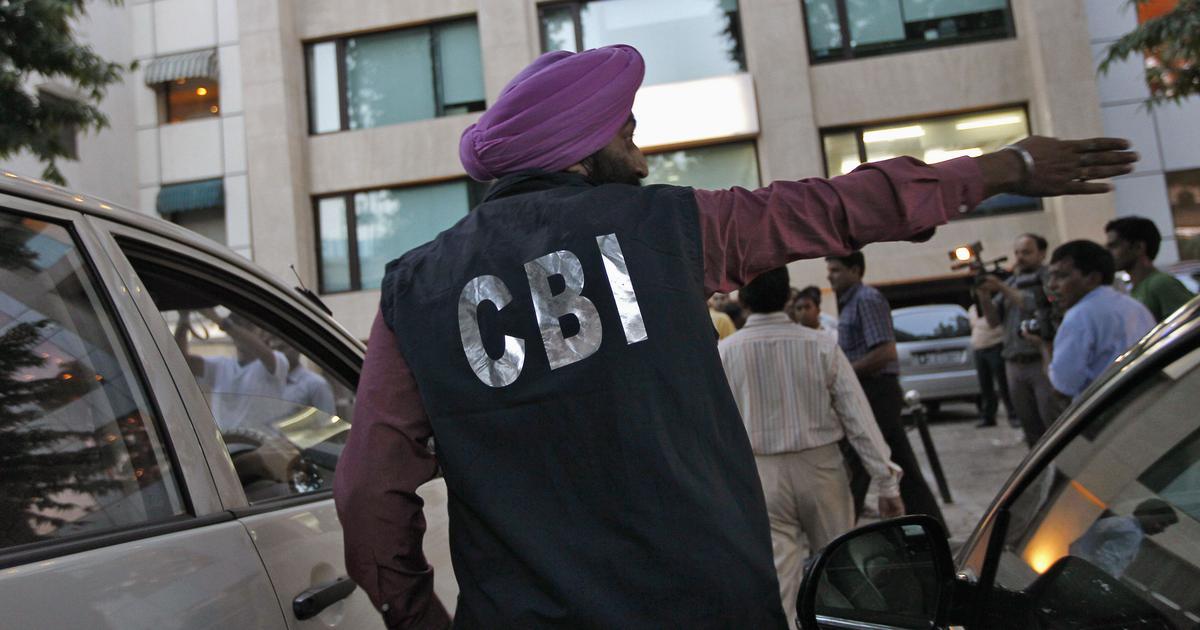
The Central Bureau of Investigation (CBI) has officially stepped in to investigate the murder of Chandranath Rath, a close aide to West Bengal Chief Minister Suvendu Adhikari. The tragic incident occurred on May 6, when Rath was shot dead near Kolkata, igniting widespread concern and speculation amid the ongoing political tensions in the state.
According to officials, the CBI’s involvement came after a formal request from the state government, seeking a thorough examination of the case. In response, the agency has formed a dedicated seven-member Special Investigation Team (SIT), led by a deputy inspector general of police from Delhi’s special crime unit. This team is now tasked with scrutinizing the details of the murder and re-evaluating the initial First Information Report (FIR) that was filed by local police.
The investigation will explore all potential angles related to the case, including possible interstate criminal connections and underlying conspiracies. Officials emphasized the need for a comprehensive probe, given the context of rising political violence in West Bengal, particularly following the Bharatiya Janata Party’s recent victory over the Trinamool Congress in the Assembly elections.
Chandranath Rath was ambushed while he was driving home to Barasat. Assailants on motorbikes intercepted his vehicle in the Madhyamgram area at around 10:20 PM, where one of the attackers approached the car and fired three bullets at point-blank range. Rath, who was seated next to the driver, suffered multiple gunshot wounds and was pronounced dead upon arrival at the hospital. His driver, Buddhadeb, also sustained serious injuries in the brutal attack.
This shocking incident has raised alarms about the safety of political figures and their aides in a climate of escalating violence. The CBI’s involvement is seen as a crucial step in not only delivering justice but also restoring faith in the law and order situation in West Bengal. As investigations continue, many are keenly watching how this high-profile case unfolds, given its potential implications for the political landscape in the state.