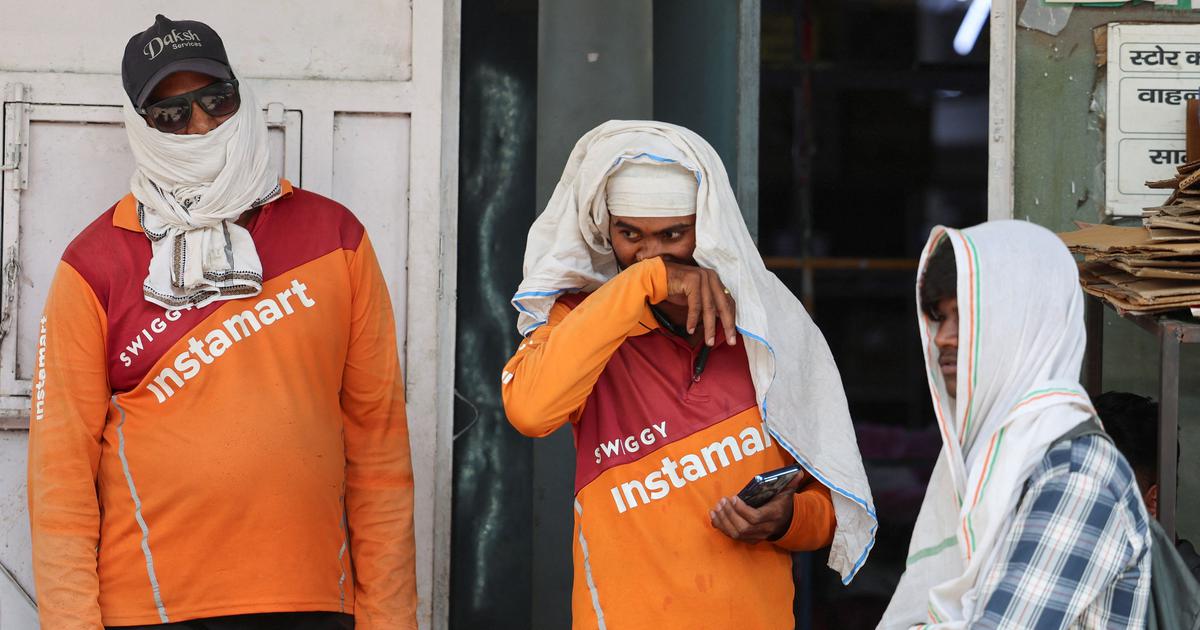
Delhi’s residents endured an unusually warm night on Wednesday, with temperatures reaching a staggering 31.9 degrees Celsius, marking the highest May night temperature recorded in nearly 14 years. According to the India Meteorological Department (IMD), this reading was 5.2 degrees Celsius above the normal levels for this time of year, with similar warm conditions noted in the Lodhi Road area, where temperatures settled at 29.6 degrees Celsius, 4.6 degrees above average.
The IMD’s alarming report comes as the national capital braces itself for extreme heat in the upcoming days. In response to the escalating temperatures, the weather department has issued an orange alert for a heatwave, a warning that signals local authorities to be prepared for action. This alert remains in effect for the next five days, indicating that citizens should exercise caution and prepare for rising temperatures.
According to the IMD, a heatwave is officially declared when the maximum daytime temperature reaches 40 degrees Celsius or higher, with nighttime lows deviating between 4.5 degrees Celsius to 6.4 degrees Celsius above normal. With forecasts predicting that Delhi’s maximum temperature could soar to 46 degrees Celsius later this week, residents are advised to take necessary precautions.
The heatwave is not just affecting Delhi; various regions across India are grappling with similar extreme weather conditions. Maharashtra, for instance, has reported at least two fatalities and over 200 instances of heat-related illnesses since March 1. These alarming statistics highlight the increasing severity of heatwaves that can lead to dire health consequences.
As temperatures continue to rise, the public is urged to remain hydrated, limit outdoor activities during peak hours, and find ways to stay cool. Experts emphasize that understanding and adapting to these extreme weather patterns is crucial, especially as climate change continues to impact weather trends across the globe. It is a stark reminder of the ongoing challenges posed by global warming, which not only leads to hotter summers but also disrupts the seasonal balance. As Delhi prepares for more scorching days ahead, the importance of community awareness and preparedness becomes paramount.