End of an Era: Mamata Banerjee’s 15-Year Reign Concludes Amidst Defeat and Constitutional Crisis
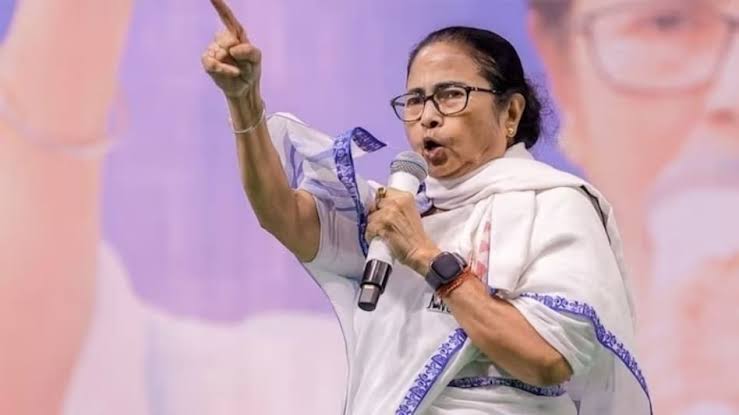
The formidable political career of Mamata Banerjee, the street-fighting leader who dismantled a 34-year Communist regime to become West Bengal’s first female Chief Minister, has culminated in a chaotic and unprecedented standoff. Following a crushing defeat in the 2026 Assembly elections, Banerjee’s tenure came to an abrupt end on May 7 as the State Assembly’s five-year term expired.
However, true to her combative nature, “Didi” is not exiting quietly. Rejecting the results as a “conspiracy,” she has adamantly refused to submit her resignation, plunging the state into a constitutional crisis.
A Devastating Electoral Blow
The 2026 elections reshaped the political landscape of West Bengal. The Bharatiya Janata Party (BJP) secured a historic landslide, crossing the 200-seat mark in the 294-member assembly, while the incumbent Trinamool Congress (TMC) was reduced to just 80 seats.
Adding insult to injury, Banerjee suffered a humiliating personal defeat in her stronghold constituency of Bhabanipur, losing to her former protégé-turned-rival, Suvendu Adhikari, by a margin of over 15,000 votes. This marks only the third time in West Bengal’s history that a sitting Chief Minister has lost their own constituency.
The Standoff at Nabanna
Instead of conceding, Banerjee held a fiery press conference, claiming the election was “forcefully captured” and rigged by the Election Commission and the BJP.
“Why should I step down? We have not lost,” a defiant Banerjee told reporters. “The mandate has been looted. Where does the question of resignation arise?”
Her refusal to follow the democratic convention of resigning after an electoral defeat has drawn fierce criticism. With her legal mandate expiring on May 7, all eyes are now on Governor R.N. Ravi to navigate the transition of power and address what BJP leaders are calling a “constitutional blasphemy”.
The Legacy of a Street Fighter
Mamata Banerjee’s exit marks the conclusion of one of the most dynamic and fiercely independent political careers in modern Indian history. Emerging from the ranks of the Congress party, she founded the Trinamool Congress in 1998. For over a decade, she waged a relentless grassroots campaign against the entrenched Left Front government, eventually riding to power in 2011 on the back of the massive anti-land acquisition movements in Singur and Nandigram.
For 15 years, she ruled West Bengal with an iron grip, characterized by expansive welfare schemes and an uncompromising defense of regional identity. Yet, her final term was marred by allegations of corruption, political violence, and anti-incumbency, vulnerabilities that the opposition capitalized on effectively.
A ‘Free Bird’ Looks Ahead
Despite the devastating loss, Banerjee indicated a shift in her political trajectory rather than total retirement. Speaking to the press, she expressed a desire to move away from state governance and focus entirely on national politics.
“Now my target is clear. I am a free bird,” she declared, revealing that she had been in contact with several leaders of the opposition INDIA bloc. “I do not care about the chair. I only care about the people… I will strengthen the INDIA bloc.”
Whether she can successfully reinvent herself as a national opposition architect remains to be seen. But for now, the sun has set on Mamata Banerjee’s uninterrupted dominance over West Bengal, closing a turbulent, transformative, and unforgettable chapter in the state’s history.
The West Bengal Standoff | Mamata Refuses to Resign
This news report provides a detailed breakdown of the election results, Mamata Banerjee’s refusal to step down, and the resulting constitutional crisis in West Bengal.