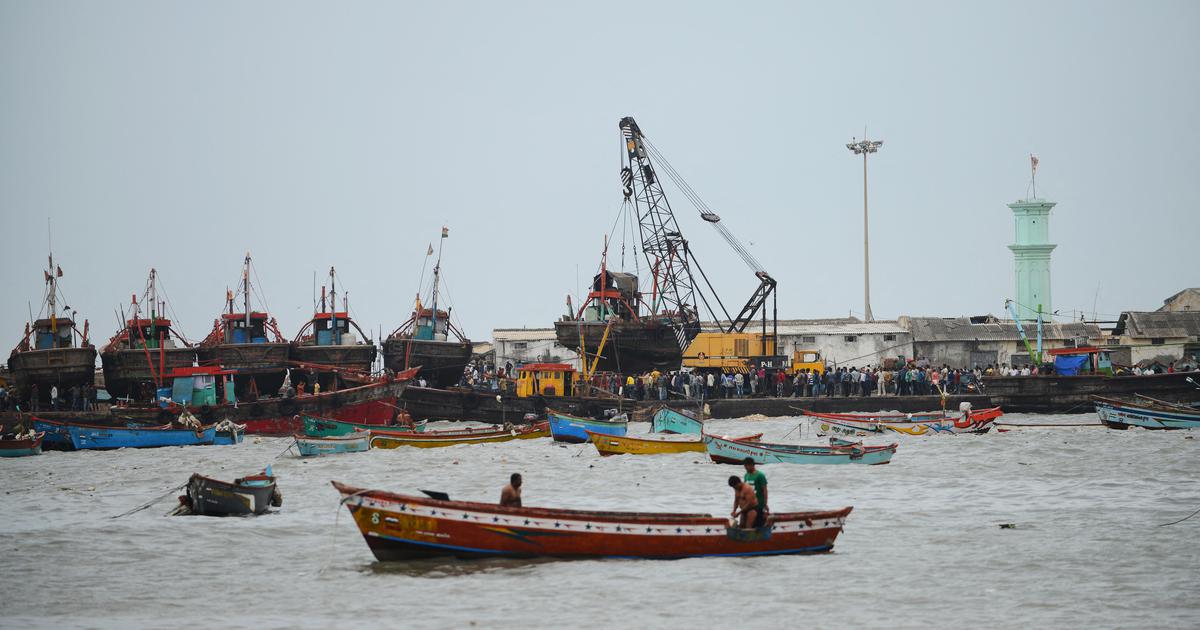
For the second consecutive year, Gujarat’s fishermen are grappling with the repercussions of global conflicts that have severely impacted their livelihoods. The peak fishing season, typically a time of abundance and prosperity, has been disrupted by geopolitical tensions, leaving local fishers in a state of despair.
Last year, the escalation of military tensions between India and Pakistan forced the Gujarat fisheries department to call back boats that were already out at sea, cutting short what could have been a fruitful fishing venture. This summer, as fishermen in coastal villages scramble to catch fish before the impending monsoon ban, the ongoing war in West Asia has crippled export markets, leading to a dramatic drop in fish prices. Siddik Jasraya, the president of the Fishermen Boat Association in Salaya—a village in Dwarka known for its fleet of around 800 fishing boats—reported that the price of ghol fish, a prized catch, has plummeted by Rs 2,000 to Rs 3,000 per kilogram. This fish, which can fetch rates as high as Rs 12,000 per kg under normal conditions, has become less valuable due to the loss of export opportunities.
Similarly, squids, which are typically exported to European markets at around Rs 500 per kg, are now being sold for as little as Rs 250. Damodar Chamudiya, a fisherman from Junagadh district, expressed his frustration over the significant reduction in earnings, further exacerbated by the rising costs of fishing equipment. The price of fishing nets, primarily made from plastic and nylon, has soared due to supply chain disruptions linked to the ongoing war. As these materials are petrochemical products, their scarcity has made it increasingly difficult for local fishermen to afford essential gear.
The current crisis is the culmination of a series of challenges facing Gujarat’s fishing industry in recent years. Fishermen have been dealing with rising tariffs, stricter regulations, and escalating operational costs, which have already placed immense pressure on their earnings. The ecological crisis affecting fish populations further complicates the situation, as many fishermen find themselves caught in a cycle of increasing costs while the availability of fish continues to dwindle.
This combination of global conflict and local challenges paints a bleak picture for the fishing community in Gujarat. With essential markets closing down and operational costs surging, many fishermen are left wondering how to sustain their livelihoods. As they look towards the horizon, it is clear that addressing these issues will require not only local support but also a concerted effort from the government and relevant organizations to ensure that fishermen can weather this storm and continue to thrive in the future.