On Tuesday, the Indian rupee slumped to an unprecedented low of 95.6 against the US dollar, driven primarily by soaring global oil prices and persistent economic challenges stemming from escalating tensions in West Asia. This decline marks the rupee’s sharpest drop, surpassing its previous record low of 95.4, which was reached earlier this year on May 5.
The surge in crude oil prices has been a significant factor in this economic turmoil. On the same day, Brent crude oil saw a dramatic increase of 3.7%, reaching $108 per barrel. To put this in perspective, just prior to the onset of the conflict in the region on February 27, the price was a more manageable $78 per barrel. This stark increase has raised alarm among economists and investors alike, as rising oil prices typically translate to higher inflation and increased costs of living for consumers.
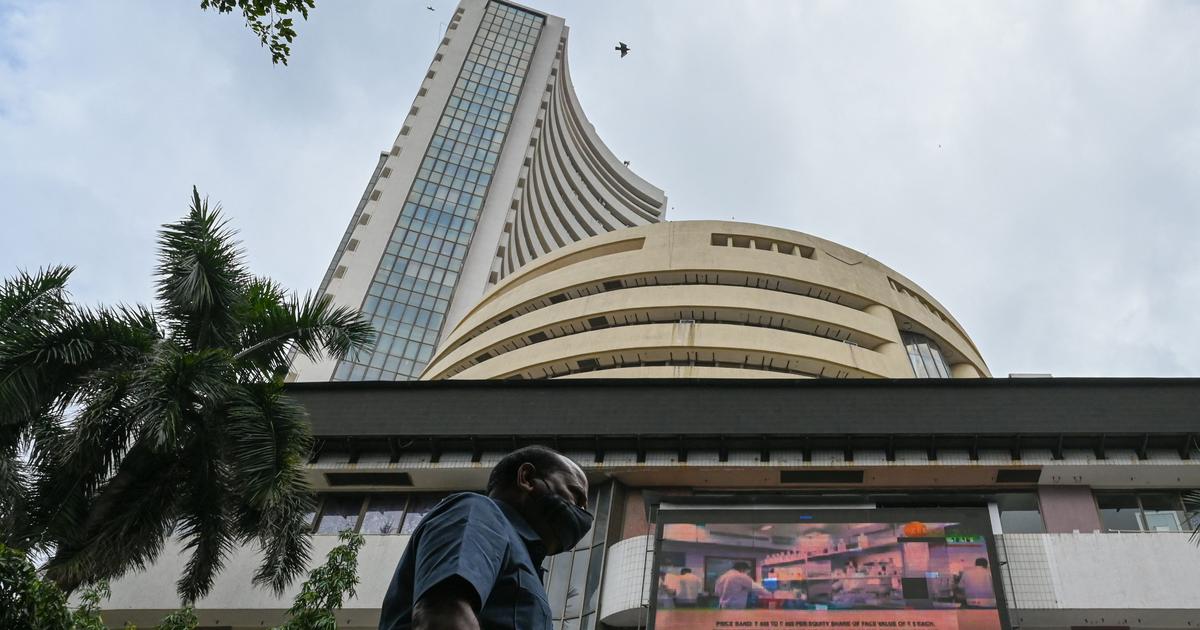
The repercussions of the rupee’s depreciation were evident on the Indian stock market, which witnessed a sharp decline of over 1.8% on Tuesday. The benchmark Sensex plummeted more than 1,450 points, recording a 1.9% drop by the end of the trading session. Similarly, the Nifty index fell by over 430 points, reflecting a 1.8% decrease. Overall, investors faced significant losses, estimated at over Rs 11 lakh crore during the day, underscoring the depth of market anxiety.
This downturn in the stock market marks the fourth consecutive trading session of losses, reviving concerns over the ongoing economic impact of the regional conflict. The India VIX index, which gauges market volatility, surged by 3.9%, further indicating heightened uncertainty among investors. Analysts suggest that the combination of global market volatility and local economic vulnerabilities is creating a precarious situation for the Indian economy.
Meanwhile, across Asia, stock indices experienced a mixed bag on Tuesday. The Hang Seng index in Hong Kong fell by 0.09%, while South Korea’s Kospi dropped by 2.2%. China’s Shanghai Composite also saw a slight decline of 0.2%. These varying performances highlight the interconnectedness of global markets, where geopolitical tensions can have far-reaching effects.
As the situation evolves, the focus now shifts to potential diplomatic resolutions, particularly concerning the ongoing dialogues between the United States and Iran. Investors are keenly watching for any signs of peace that could stabilize oil prices and, in turn, the rupee. Given the current volatility, market participants are advised to remain vigilant and prepared for further fluctuations in both currency and stock valuations.