Karnataka High Court Dismisses Case Against CM Shivakumar Over Alleged Morphed Image Controversy
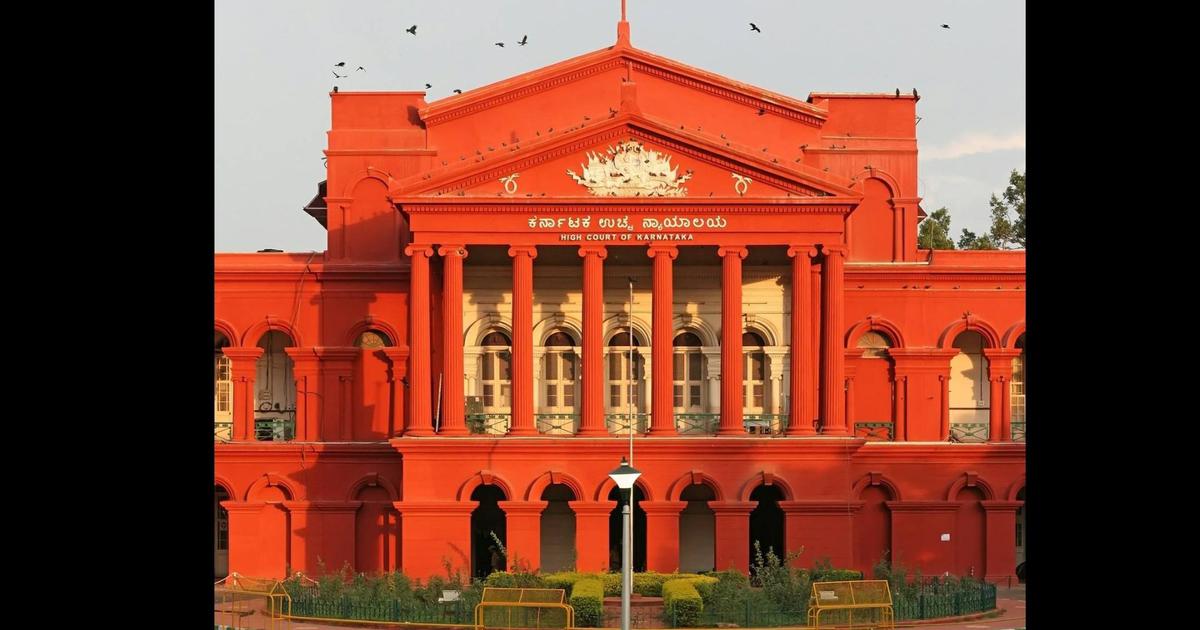
The Karnataka High Court delivered a significant ruling on Friday, absolving Chief Minister DK Shivakumar of criminal proceedings linked to an alleged morphed image related to a protest by Bharatiya Janata Party (BJP) leaders. This decision comes in the wake of a contentious legal battle stemming from incidents that unfolded during a protest in January 2024.
The protest, organized by BJP leaders, was in response to the arrest of an individual involved in an agitation over the demolition of the Babri Masjid in 1992. Demonstrators were seen holding placards with provocative statements, such as “I’m also a Kar Sevak, arrest me too,” aimed at drawing attention to their grievances. However, the heart of the matter lay in allegations claiming that the Congress party’s publicity team had manipulated these placards, creating a narrative that suggested BJP leaders were admitting to involvement in scams and misconduct.
As the controversy unfolded, the image in question was shared on social media through Shivakumar’s official account, who was serving as both the Karnataka deputy chief minister and the state president of the Congress party at the time. The BJP’s Karnataka legal unit chief filed a complaint, asserting that the altered image constituted the use of a false document and was designed to incite animosity among different groups.
However, the defense argued that the charges against Shivakumar were unfounded. His legal team contended that the accusations of promoting enmity between communities and disseminating false information were exaggerated and lacked substantial grounding. The court ultimately sided with Shivakumar, allowing his petition and setting aside the legal proceedings against him.
This ruling not only underscores the complexities of political rivalries in Karnataka but also highlights the ongoing tensions surrounding the sensitive issues of communal relations and political discourse in India. As social media continues to influence public opinion, the consequences of sharing content, even inadvertently, can have significant legal repercussions. The court’s decision is an important reminder of the need for responsible communication, particularly in a charged political environment.