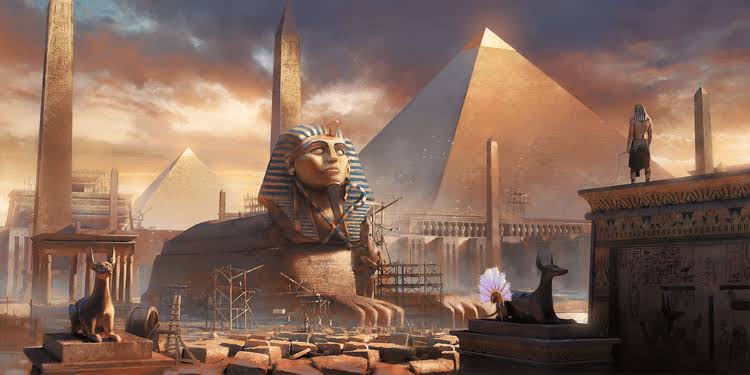
The Labyrinth Beneath the Sands: Exploring the Mysteries Around the Great Sphinx
For centuries, the Great Sphinx of Giza has stood as one of the world’s most iconic monuments, its massive stone form overlooking the Giza Plateau in Egypt. While archaeologists and historians have studied the monument extensively, questions and theories about possible underground chambers or tunnels beneath the Sphinx continue to capture public imagination.
Ancient Legends and Modern Curiosity
Stories about hidden chambers beneath the Sphinx have circulated for decades. Some interpretations of ancient Egyptian traditions mention secret knowledge or sacred chambers associated with temples and priests. In the 20th century, speculative theories about a so-called “Hall of Records” became widely discussed in books, documentaries, and popular culture.
Some mystical and alternative-history writers, including Edgar Cayce, claimed that hidden chambers containing ancient knowledge might exist beneath the monument. However, these claims remain unverified and are not accepted as established archaeological fact.
Scientific Investigations
Modern researchers have used technologies such as ground-penetrating radar (GPR), seismic surveys, and geological studies to examine the area around the Sphinx without damaging the monument.
Several surveys over the years reported underground anomalies or cavities in nearby limestone formations:
- 1977 – SRI International: Reported possible underground irregularities near the Sphinx.
- 1987 – Waseda University (Japan): Detected indications of a tunnel-like feature and underground spaces near parts of the monument.
- 1990s Studies: Additional radar and geological surveys identified subsurface voids and natural fissures in the limestone bedrock.
However, archaeologists note that underground voids in limestone regions are not unusual and may be naturally formed geological features rather than hidden temples or chambers.
Known Shafts and Passages
Researchers acknowledge that the Sphinx contains some known shafts and cavities, including a vertical shaft near the rear section of the monument. Historians believe some of these may have resulted from earlier exploration attempts or restoration work conducted over centuries.
Despite ongoing speculation, no confirmed “Hall of Records” or hidden library has ever been discovered beneath the Sphinx.
Why Excavations Remain Limited
Egyptian authorities maintain strict controls over excavation around the Sphinx due to concerns about preserving the fragile limestone structure. Experts warn that aggressive drilling or excavation could risk damaging one of humanity’s most important archaeological treasures.
Because of these preservation concerns, many questions about the monument’s underground geology remain unanswered.
A Mystery That Continues to Fascinate
The enduring fascination with the Sphinx reflects humanity’s broader curiosity about ancient civilizations and unexplored history. While scientific studies continue, researchers stress the importance of separating evidence-based archaeology from speculation and myth.
Whether the underground anomalies are natural formations or remnants of ancient construction, the Great Sphinx remains one of the most mysterious and culturally significant monuments in the world.