Hidden among the hills of southern Odisha, Koraput is home to several tribal communities whose lives remain closely connected to forests, rivers, mountains, and traditional knowledge systems.
For many tribal communities in the region, nature is not only a source of livelihood but also an important part of cultural and spiritual life. Forests, streams, and hills are often associated with local beliefs and traditions that have been preserved for generations.
Festivals Reflecting Nature and Community Life
Tribal communities in Koraput celebrate a variety of festivals throughout the year that are linked to agriculture, seasonal cycles, and local traditions.
One of the prominent festivals is Chaita Parab, observed during the summer season. Villagers offer prayers for prosperity and a successful harvest. Traditionally, celebrations begin after community elders permit the sharing of the season’s first mangoes.
Another important festival is Nuakhai Parab, during which the first harvest is offered to local deities before being consumed by the community. During Pus Parab, celebrated in winter, cattle are honoured and special meals are prepared using traditional crops and locally available produce.
Traditional Governance Systems
Many tribal villages continue to follow traditional governance structures led by community representatives such as the Naik (chief), Poojari (priest), and Desari (traditional healer). These leaders often assist in resolving disputes and overseeing the use of shared resources such as forests, ponds, and grazing lands.
Community-based decision-making has historically played an important role in managing common resources and maintaining social harmony within villages.
Sacred Groves and Biodiversity
Several tribal groups, including the Gadaba, Paraja, and Bhumia communities, maintain and protect sacred groves—small forest patches that hold religious and cultural significance.
Researchers and conservation groups have documented numerous sacred groves across Koraput district. These areas often support biodiversity and contain a variety of medicinal plants and native species. Local communities generally protect these sites through customary practices and traditional beliefs.
Women and Forest Conservation
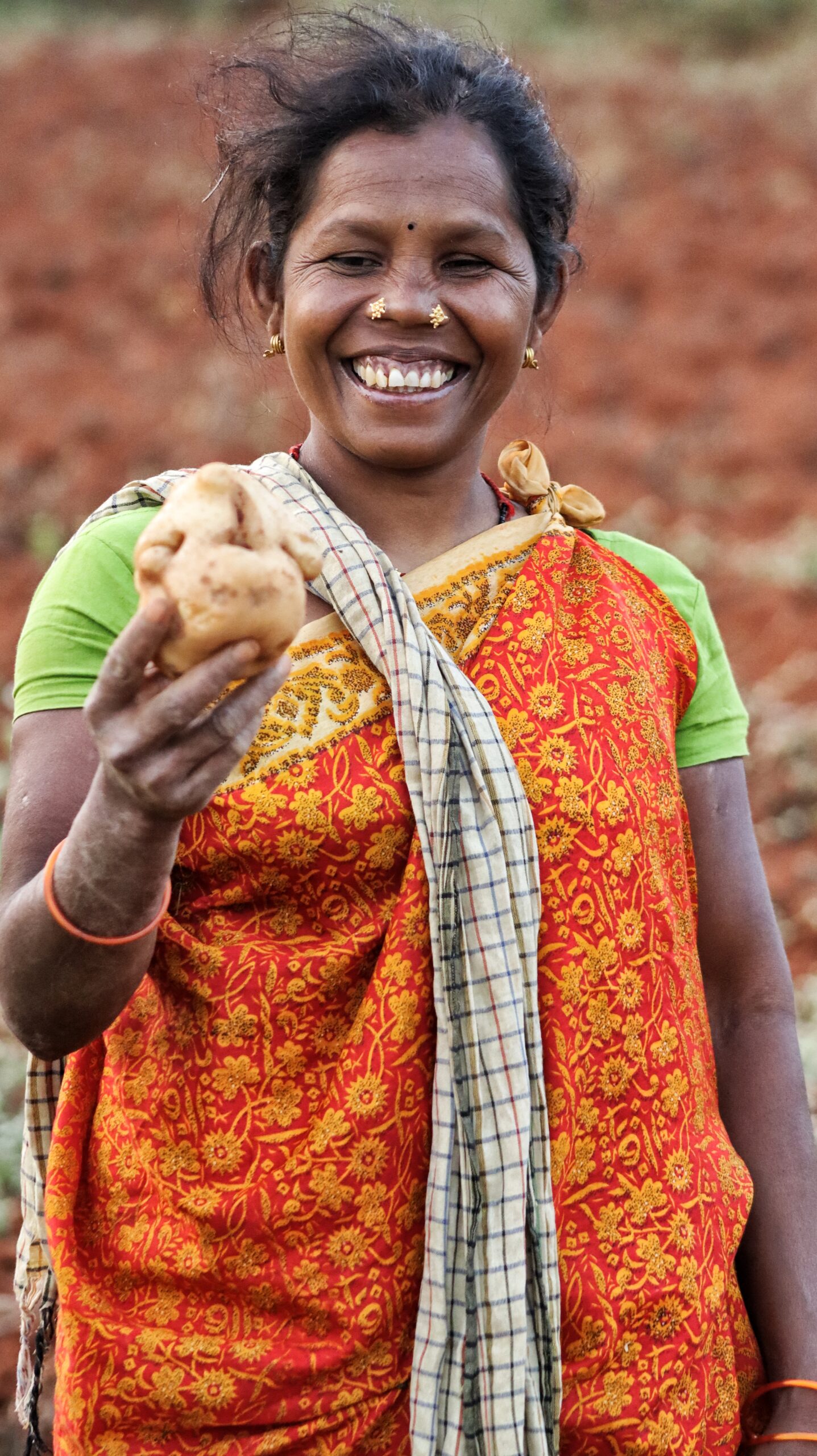
Women play a significant role in the collection and conservation of non-timber forest produce, including leaves, fruits, mushrooms, and tubers. Traditional harvesting practices are often designed to ensure that resources regenerate naturally.
In several villages, women participate in preserving indigenous food varieties and contribute to household incomes through the sale of forest products. Their knowledge of local ecosystems continues to support both livelihoods and biodiversity conservation.
Emerging Challenges
Tribal communities in Koraput face a range of challenges, including changes in land use, pressures on forest resources, and the impacts of climate variability.
Residents and researchers have noted concerns such as irregular rainfall, reduced water availability, and changing agricultural conditions. These developments have affected traditional farming systems and forest-based livelihoods in some areas.
Community Adaptation Efforts
In response to environmental challenges, several villages have adopted measures such as water conservation projects, soil protection initiatives, and plantation drives involving native tree species.
Community-led efforts to restore degraded landscapes and improve water management demonstrate the adaptability and resilience of local populations.
Looking Ahead
Experts emphasize the importance of preserving indigenous knowledge systems and encouraging community participation in conservation efforts. Traditional governance practices and local environmental knowledge can contribute to sustainable resource management and rural development.
The tribal communities of Koraput continue to maintain their cultural traditions while adapting to changing social and environmental conditions. Their experiences offer valuable insights into community-based conservation and sustainable living.