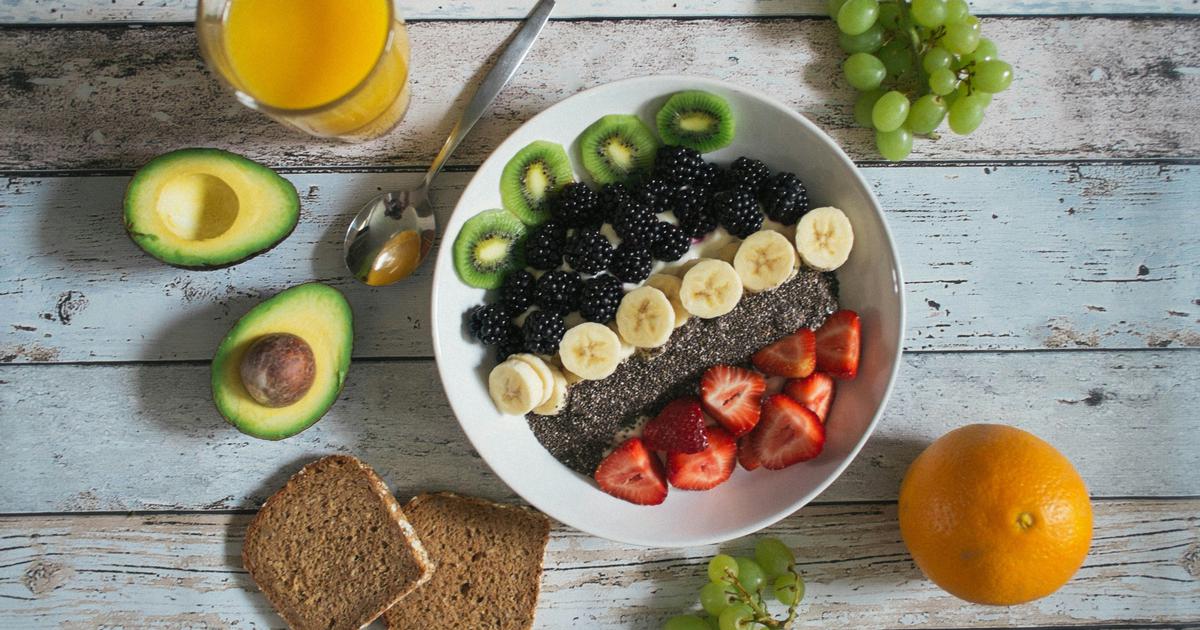
In the pursuit of weight loss, one principle stands out as both fundamental and often overlooked: portion control. Despite our best intentions, when faced with a plateful of our favorite foods, adhering to sensible serving sizes can become an overwhelming challenge. The immediate satisfaction of indulgence can overshadow the long-term benefits of moderation, leading many to struggle with their diet.
So, how can one navigate the temptation of overeating? The secret lies in outsmarting those impulsive cravings. A gentle reminder to yourself that there will always be more food tomorrow can help restrain that impulse to overindulge. Instead of surrendering to the moment, consider saving some for later. This approach not only helps in managing your weight but also allows you to relish your meals without excess. Research suggests that individuals who maintain a healthy weight often possess an intrinsic ability to stop eating before they reach fullness, a practice that can be cultivated with mindfulness.
This idea of intuitive eating is not confined to any single culture. For instance, the Japanese philosophy of Hara Hachi Bu—encouraging individuals to eat until they are about 80% full—has gained international recognition for promoting healthy eating habits. Similarly, traditional Ayurvedic practices in India advocate for leaving a third of the stomach empty, which is believed to aid in digestion and overall health. Such insights emphasize the importance of moderation and the need to listen to one’s body.
In Mediterranean cultures, meals are typically enjoyed in leisurely company, emphasizing smaller portions of nutrient-rich foods. This social aspect of dining not only enhances the enjoyment of food but also promotes a natural inclination toward moderation. By eating slowly and savoring flavors, individuals often find it easier to recognize when they are satisfied, reducing the risk of overeating.
In a world where fast food and quick meals dominate, these ancient and cultural practices offer a refreshing perspective on nutrition. The key takeaway is clear: portion control doesn’t have to be a restrictive measure. Instead, it can be embraced as a mindful approach to eating, allowing for enjoyment without excess. By combining traditional wisdom with modern scientific insights, individuals can create a balanced diet that supports both physical health and mental well-being.