India’s Development Journey: Digital Services, Women’s Empowerment and Rural Connectivity
India's Development Journey Under Prime Minister Narendra Modi
India has taken several steps over the past decade to expand digital services, improve financial inclusion and strengthen rural infrastructure. During Prime Minister Narendra Modi’s tenure, government programmes have focused on improving access to public services, supporting women and creating opportunities for rural communities. Their impact depends on effective implementation and measurable improvements in people’s lives.
Digital Services and Financial Inclusion
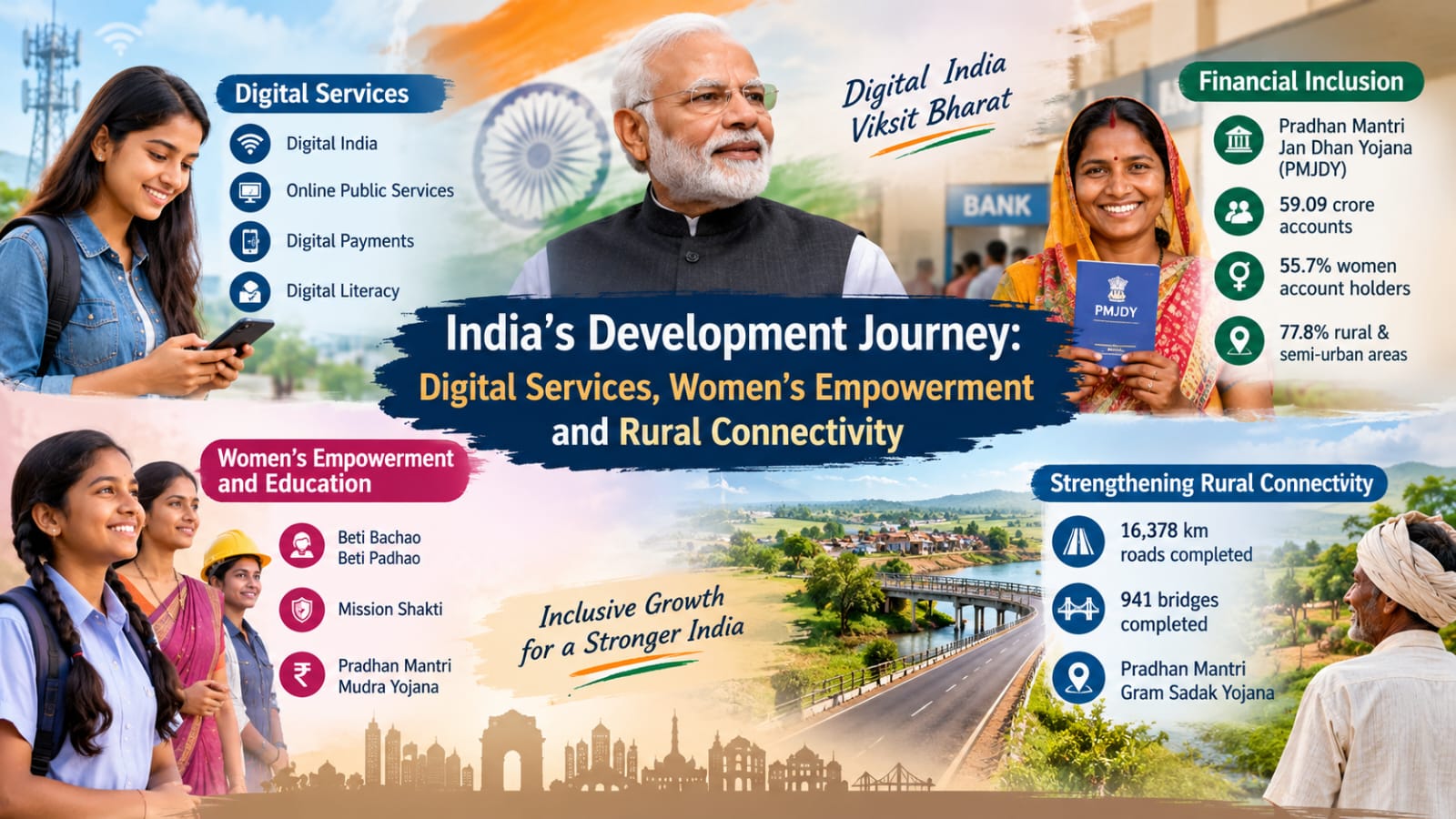
The Digital India programme, launched on July 1, 2015, aims to strengthen digital infrastructure, expand online public services and promote digital literacy. Digital platforms have made information and several government services more accessible. However, reliable internet connectivity, affordable access and digital awareness remain important for reaching underserved communities.
Financial inclusion has also been a key policy priority. The Pradhan Mantri Jan Dhan Yojana (PMJDY), launched on August 28, 2014, aims to provide access to basic banking services. According to figures attributed to the Ministry of Finance, the scheme recorded 59.09 crore accounts as of August 19, 2026. Women held approximately 55.7 per cent of these accounts, while 77.8 per cent were in rural and semi-urban areas. These figures highlight the scheme’s extensive reach.
Women’s Empowerment and Education
Initiatives such as Beti Bachao Beti Padhao, Mission Shakti and the Pradhan Mantri Mudra Yojana address different aspects of women’s welfare and economic participation. Beti Bachao Beti Padhao promotes the protection and education of girls, while Mission Shakti focuses on women’s safety and empowerment. Mudra loans aim to improve access to finance for small businesses, including women-led enterprises. Their effectiveness depends on awareness, accessibility and implementation.
Rural Connectivity and Development
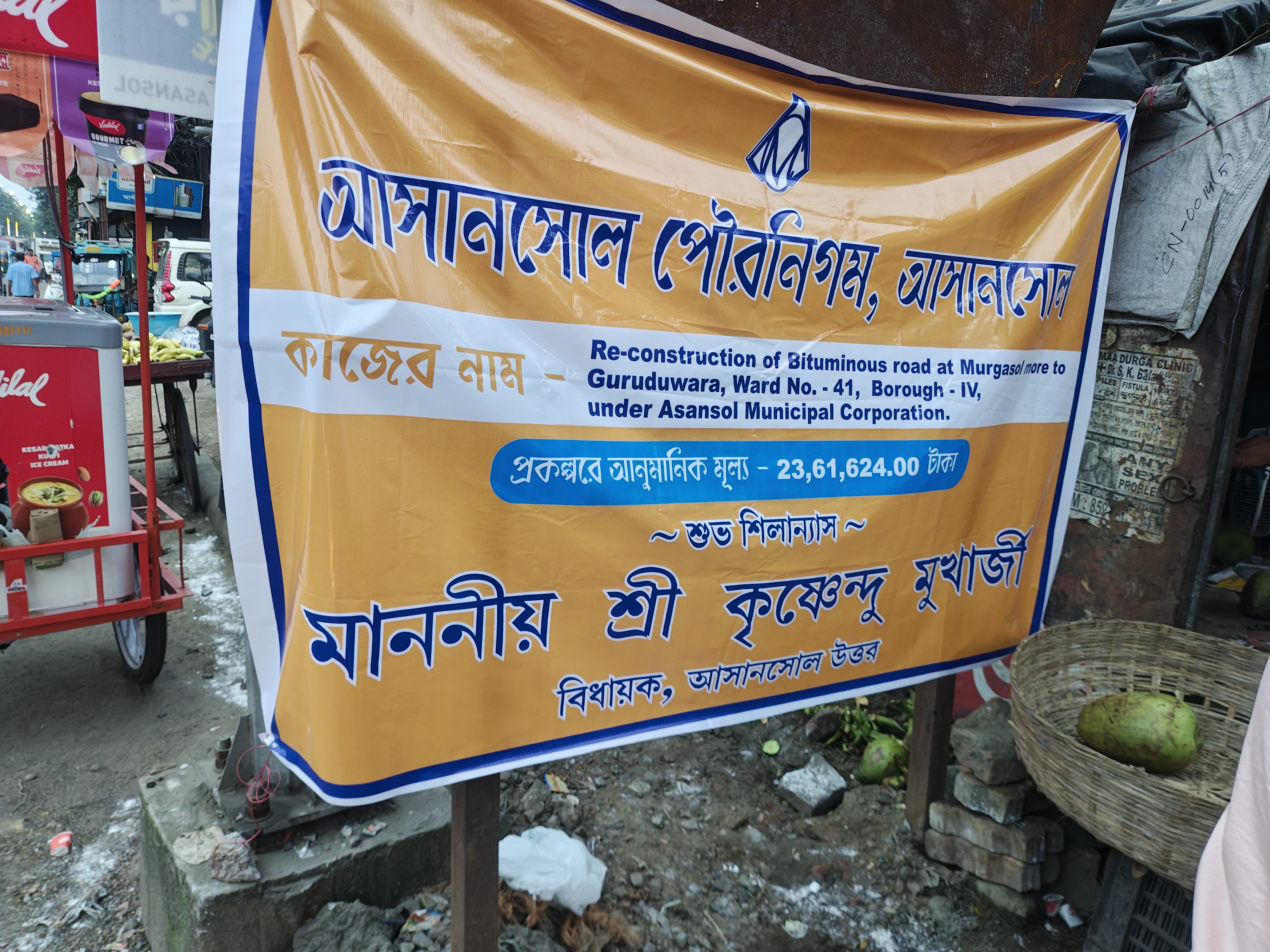
Rural infrastructure plays an important role in connecting communities with essential services. According to the Ministry of Rural Development’s 2025 year-end review, 16,378 kilometres of roads and 941 bridges were completed under different components of the Pradhan Mantri Gram Sadak Yojana during the reported period. Improved connectivity can help rural residents access schools, healthcare facilities, markets and employment opportunities.
Looking Ahead
India’s continued development will depend on access to quality education, employment, digital skills and essential services. Transparent implementation, effective monitoring and equal opportunities remain important to ensure that development programmes deliver lasting benefits. Their success will ultimately be reflected in improved living standards and greater opportunities for citizens.