Punjabi Poet Kanwar Mohinder Singh Bedi Reflects on the Intricacies of Urdu in His Memoir
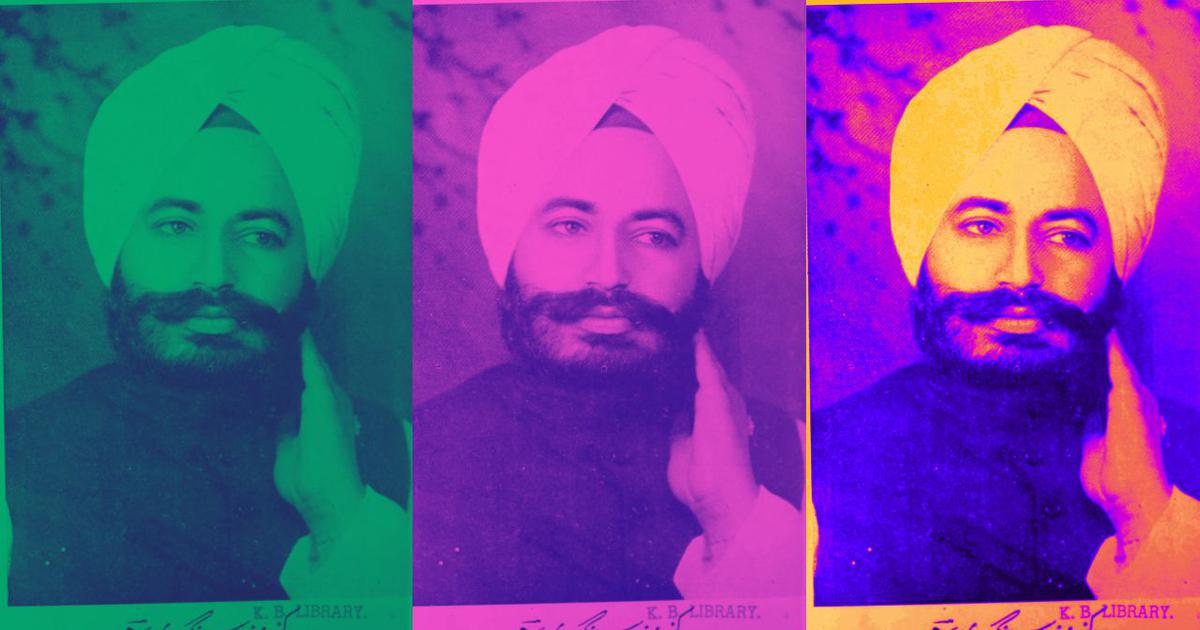
In his recently published memoir, celebrated Punjabi poet Kanwar Mohinder Singh Bedi delves into the complex relationship between Urdu and the socio-political landscape of India, especially during the tumultuous period following the Partition. He articulates a deep-seated affection for Urdu, a language that has faced significant challenges over the years due to religious and regional biases.
Following the Partition in 1947, Urdu found itself under siege, often dismissed as merely the language of Muslims. The rise of Hindi, which was promoted as the national language of India, led to a fierce backlash. Many advocates of Hindi sought for it to dominate the linguistic landscape overnight, which ignited widespread protests, particularly in southern India. The agitation against Hindi imposition, especially in Madras (now Chennai), was not a fleeting moment; it evolved into a long-lasting movement that has left its indelible mark on the political and cultural fabric of the region.
In this backdrop, Urdu newspapers and periodicals struggled to survive. Efforts were made to advocate for Urdu’s rightful recognition in the political arena. Numerous delegations approached key political figures, seeking acknowledgment of Urdu’s place alongside other regional languages. Prominent leaders, including Jawaharlal Nehru and Indira Gandhi, publicly praised the language, expressing their support during various cultural events and mushairas. Giani Zail Singh, the then President of India, also articulated the need for Urdu’s promotion. Despite such high-profile endorsements, Urdu was denied the status of a regional language for an extended period.
However, the fight for Urdu did not wane. Bedi notes that Bihar emerged as a frontrunner in the struggle, becoming the first Indian state to officially recognize Urdu. This landmark decision paved the way for other states to reconsider their stance on the language, highlighting the resilience of Urdu and its speakers in the face of adversity. Bedi’s memoir serves not only as a reflection of his personal connection to the language but also as a testament to the broader cultural significance of Urdu in India.
As Bedi shares his journey, he intertwines his poetic expressions with historical narratives, illustrating how art and politics coalesce in the pursuit of cultural identity. His reflections resonate with many, drawing attention to the enduring legacy of Urdu and the importance of preserving linguistic diversity in a nation as pluralistic as India. In an age where cultural identities are often threatened, Bedi’s words remind us of the beauty and depth that languages like Urdu contribute to our shared heritage.