In a recent diplomatic spat, India has firmly rejected Nepal’s objections regarding the Kailash Mansarovar Yatra, which is set to traverse through the Lipulekh Pass. The Indian government characterized Nepal’s territorial claims as ‘unjustified’ and lacking in historical backing. This response comes after Nepal’s Ministry of Foreign Affairs expressed concerns about the pilgrimage being conducted through what it considers ‘Nepali territory.’
Nepal’s government argues that the regions of Limpiyadhura, Lipulekh, and Kalapani, located to the east of the Mahakali River, are integral parts of its territory as defined by the 1816 Sugauli Treaty. The recent comments by the newly formed Balen Shah administration in Kathmandu underscore a growing tension, with assertions that India must refrain from activities like infrastructure development and pilgrimage activities in the disputed area.
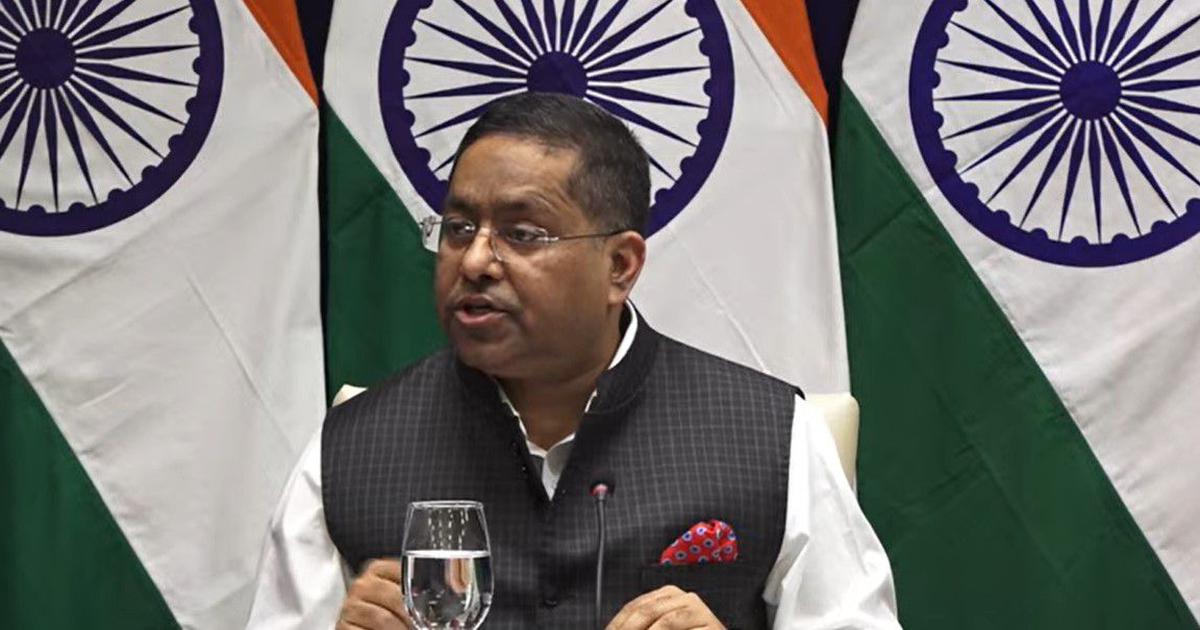
India, however, has reiterated its long-standing position on the matter. Speaking on behalf of the Ministry of External Affairs, spokesperson Randhir Jaiswal emphasized that the Lipulekh Pass has historically served as a route for the Kailash Mansarovar Yatra since 1954. This pilgrimage has deep cultural and spiritual significance for many Indians, making the route particularly important.
Jaiswal described Nepal’s objections as a ‘unilateral artificial enlargement of territorial claims,’ terming them ‘untenable.’ He also expressed India’s willingness to engage in constructive dialogue with Nepal to address outstanding issues between the two nations. This statement reflects India’s approach toward maintaining diplomatic relations despite differences over territorial claims.
The Kailash Mansarovar Yatra attracts thousands of devotees each year, highlighting the cultural ties and spiritual connections between India and its northeastern neighbor. As both countries navigate these complexities, the importance of dialogue and mutual respect cannot be overstated. The unfolding situation serves as a reminder of the delicate balance in regional diplomacy and the need for cooperative efforts in addressing historical grievances.