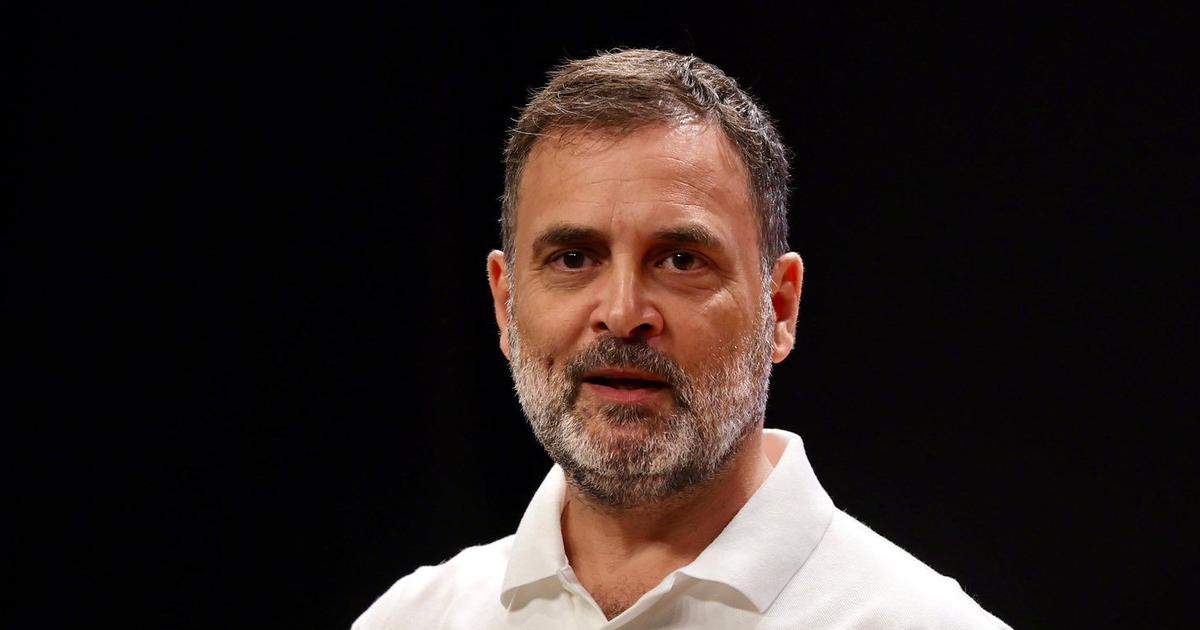
In a pointed critique of the Indian government’s transparency, Rahul Gandhi, the Leader of the Opposition in the Lok Sabha, has formally expressed his dissent regarding the ongoing selection process for the next director of the Central Bureau of Investigation (CBI). Gandhi’s remarks come on the heels of a meeting involving a three-member committee tasked with this significant appointment, which took place at Prime Minister Narendra Modi’s official residence in New Delhi.
The committee, chaired by Prime Minister Modi, also includes Chief Justice Surya Kant, and has the pivotal responsibility of choosing a successor to the current CBI director, Praveen Sood, whose tenure is set to conclude on May 24 after he was granted a one-year extension in 2025. Expressing his concerns in a letter to the Prime Minister, Gandhi characterized the selection process as a mere formality, suggesting that the integrity of this essential appointment is at risk.
Gandhi’s letter highlights his frustrations regarding the lack of transparency in the selection procedure. He pointed out that despite his repeated requests for the “self-appraisal or 360-degree assessment reports” of the candidates under consideration, such information was not made available to him. Instead, he was expected to review the appraisal records of sixty-nine candidates for the first time during the committee meeting. This, according to Gandhi, undermines the credibility of the process and raises questions about the government’s intentions.
In his letter, he stated, “The deliberate denial of information, without any legal basis, makes a mockery of the selection process and ensures that only your pre-decided candidate is chosen.” This assertion has ignited a broader discussion about the autonomy of the CBI and its role in Indian politics, especially regarding allegations of governmental misuse of the agency to target political opponents.
Gandhi’s dissent comes amid a backdrop of increasing scrutiny over the independence of investigative agencies in India. Observers have raised concerns that the CBI, often referred to as a political tool, has been used to enforce political agendas rather than uphold the rule of law. By articulating his grievances, Gandhi seeks to not only voice his opposition but also to rally support for greater accountability and transparency in the functioning of such critical institutions.
The Congress leader’s actions prompt a vital conversation on the need for reform within the CBI’s selection processes and its operational framework, ensuring that it remains a body that serves justice independently and fairly, free from external influences. As the selection of the new CBI director looms, all eyes will be on the government to see if they heed these calls for a more transparent and fair procedure.