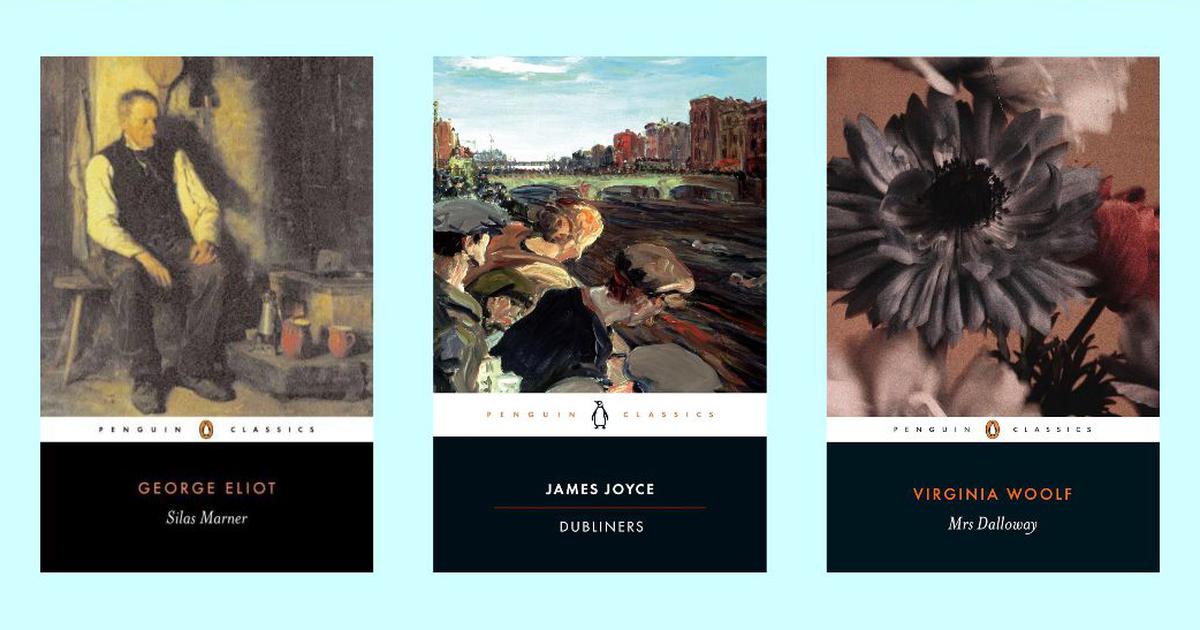
In recent years, a notable trend has emerged among university students in India: a dwindling patience for engaging with lengthy literature, particularly classic novels. As the digital age unfolds, many students are increasingly turning to audiobooks and shorter content, which, while convenient, may alter the depth of their literary experience. According to neuroscientist Maryanne Wolf, the modern fast-paced lifestyle has diminished what she terms ‘cognitive patience,’ making it challenging for students to immerse themselves in the intricate narratives found in longer works.
This change can largely be attributed to the pervasive influence of digital technology. The constant barrage of notifications and distractions from smartphones and social media has conditioned our brains to skim through information surfaces rather than delve into substantial reading. Furthermore, our society’s obsession with instant gratification further complicates the situation, as readers now seek immediate rewards rather than embracing the slow, contemplative joy of reading.
Studies have also highlighted the so-called ‘screen inferiority effect,’ which posits that reading from physical books enhances comprehension and retention compared to reading on screens. This phenomenon suggests that when we engage with printed text, our brains process information more thoroughly, leading to better memory recall and deeper understanding.
The challenge then becomes how to approach classic literature, often perceived as daunting due to their length and complexity. Renowned works like George Eliot’s Middlemarch or Victor Hugo’s Les Misérables may appear intimidating, not only for their voluminous nature but also due to their elaborate prose. However, these classics can offer a wealth of cognitive, social, and emotional benefits, nurturing habits that enhance our ability to focus and communicate thoughtfully.
Engaging with classic literature can significantly contribute to our personal growth. Beyond mere entertainment, these works provide insights into human nature, societal structures, and ethical dilemmas, encouraging readers to reflect on their own lives and the world around them. The process of grappling with complex narratives and language can sharpen our critical thinking and empathy, essential qualities in today’s interconnected society.
As we strive to cultivate a deeper connection with literature, it may be beneficial to start with shorter classics that serve as gateways to more extensive reading. Novels such as The Metamorphosis by Franz Kafka, Animal Farm by George Orwell, and A Room of One’s Own by Virginia Woolf can provide enriching literary experiences without overwhelming readers. These books not only encapsulate profound themes and ideas but also motivate readers to explore further into the world of classic literature.
In conclusion, while the distractions of modern life pose significant challenges to reading habits, they also present an opportunity for cultural rediscovery. By prioritizing classic literature, we can enhance our cognitive abilities, nurture empathy, and foster meaningful connections—both with the texts themselves and with the broader human experience. Embracing these literary masterpieces, despite their initial intimidation, can lead to a rewarding journey of self-discovery and intellectual growth.