The ideological battle between capitalism and socialism, famously summarized by Francis Fukuyama as the “end of history,” may have quieted down with the decline of the Soviet Union. However, the debate over economic systems remains pertinent, especially for India, which has embraced post-1991 globalization and neoliberal principles. As the world confronts unprecedented challenges, it is time for India to reconsider its economic model and chart a distinct path, much like China has done.
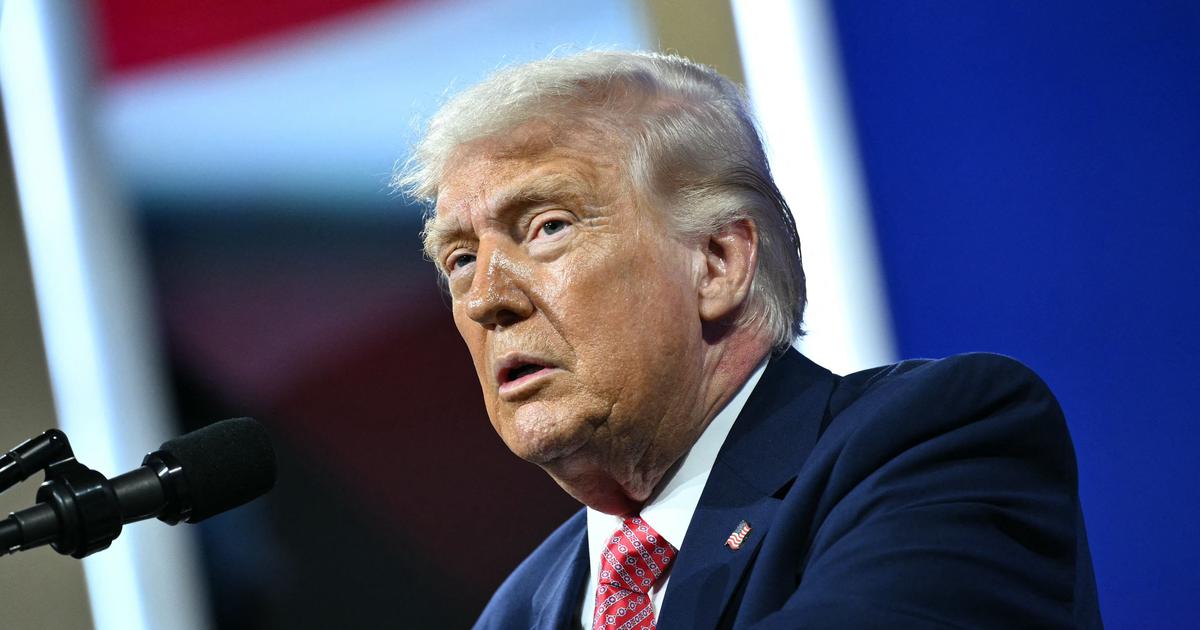
The era that promised unbridled trade and investment flows has come to an abrupt halt, marked by significant disruptions such as the 2008 financial crisis, the COVID-19 pandemic, ongoing trade tensions initiated by former U.S. President Donald Trump, and recent geopolitical conflicts impacting energy supplies. These events have highlighted the fragility of global supply chains and the limitations of a laissez-faire approach to economic policy.
The 2008 financial crisis served as a wake-up call, signaling the urgent need for regulatory frameworks to manage financial movements. Despite this, conventional wisdom has prevailed, with economists divided over whether increasing or decreasing the freedom of finance and trade will lead to economic revitalization. The pandemic further underscored the vulnerabilities inherent in a globalized economy, revealing that reliance on external supply chains can be a double-edged sword, leaving nations exposed in times of crisis.
In light of these developments, India must rethink its economic strategies. While the post-1991 liberalization brought about significant growth and development, the current global landscape necessitates a more resilient and self-sufficient approach. India has a unique opportunity to leverage its vast domestic market, promote local industries, and build robust supply chains that are less dependent on international dynamics.
Drawing inspiration from China’s model, which has successfully balanced state control with market-oriented reforms, India can cultivate an environment that encourages innovation, investment, and sustainable growth. This shift will require strong policy interventions, public-private partnerships, and a renewed focus on sectors that align with national priorities—such as technology, renewable energy, and agriculture.
Ultimately, India’s journey towards redefining its economic ideology will not only enhance its resilience against global shocks but also position it as a formidable player on the world stage. By embracing a more pragmatic and tailored approach to economic governance, India can ensure that it not only survives in a turbulent global environment but thrives.