Rethinking Vehicle Owner Liability: Should Parents Face Criminal Action for an Adult Child’s Driving?
When a young adult turns 18 and obtains a valid driving licence, it marks an important step towards independence. In many Indian families, however, the vehicle they drive continues to be registered in the name of a parent or another family member.
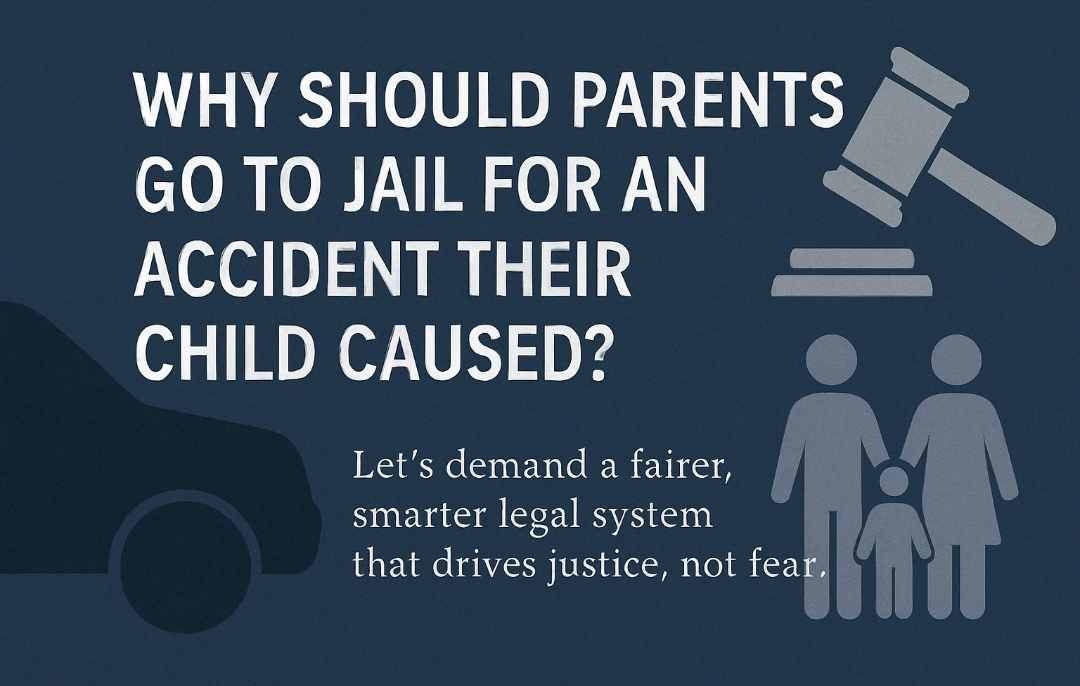
This raises an important public policy question: To what extent should a registered vehicle owner be held legally responsible if a licensed adult driver is involved in a road accident?
Under Indian law, liability in road accident cases depends on the specific facts and applicable legal provisions. Criminal responsibility is generally determined through investigation and is not automatically imposed solely because a person’s name appears on the vehicle’s registration certificate. Courts and investigating agencies examine factors such as who was driving, whether any traffic or criminal laws were violated, and whether the registered owner knowingly permitted any unlawful use of the vehicle.
Even so, some legal experts and road safety observers believe there is scope for greater clarity regarding the responsibilities of registered owners and licensed drivers. They argue that the legal framework should clearly distinguish between criminal liability arising from an individual’s conduct and the legal obligations associated with vehicle ownership.
Supporters of reform have suggested that policymakers consider:
- Clarifying the circumstances in which a registered owner may be held legally responsible.
- Clearly distinguishing criminal liability from civil or statutory responsibilities.
- Ensuring that investigations focus on the conduct of the actual driver while preserving accountability where an owner has violated legal obligations, such as permitting an unlicensed or otherwise ineligible person to drive.
At the same time, road safety experts emphasise that vehicle owners should continue to exercise reasonable care before allowing anyone to use their vehicle, including verifying that the driver holds a valid licence and is legally fit to drive.
As India’s road transport system evolves, discussions on balancing accountability, fairness and public safety are likely to continue. Any future reforms should aim to strengthen road safety while ensuring that legal responsibility is determined fairly and in accordance with established legal principles.
Public debate on this issue can contribute to informed policymaking, provided it is based on accurate legal information and balanced discussion.