The 12th-century philosopher-poet and Shaiva mystic Allama Prabhu continues to resonate deeply within the cultural fabric of Karnataka and India at large. His profound thoughts and poetic expressions, predominantly recorded through various texts, have sparked renewed interest among scholars and cultural enthusiasts alike. With only a handful of inscriptions from his time, our understanding of Allama Prabhu stems largely from later narratives, notably from works like Harihara’s 13th-century ‘Allamaprabhudevara Ragalegalu’ and Chamarasa’s ‘Prabhulinga Lile’, extending into the Virashaiva literature of the 15th and 16th centuries.
In recent years, the exploration of Allama Prabhu’s life and teachings has primarily been an academic endeavor. Scholars have dedicated their efforts to collecting, editing, and translating his vachanas—spiritual poems that embodied performative practices in his time. While vachanas were originally intended for oral expression, they have increasingly become subjects of textual analysis and scholarly research. Publications including anthologies, doctoral theses, and monographs have contributed to the academic landscape surrounding these mystical verses, yet a comprehensive theoretical exploration was largely absent until the emergence of prominent figures like DR Nagaraj.
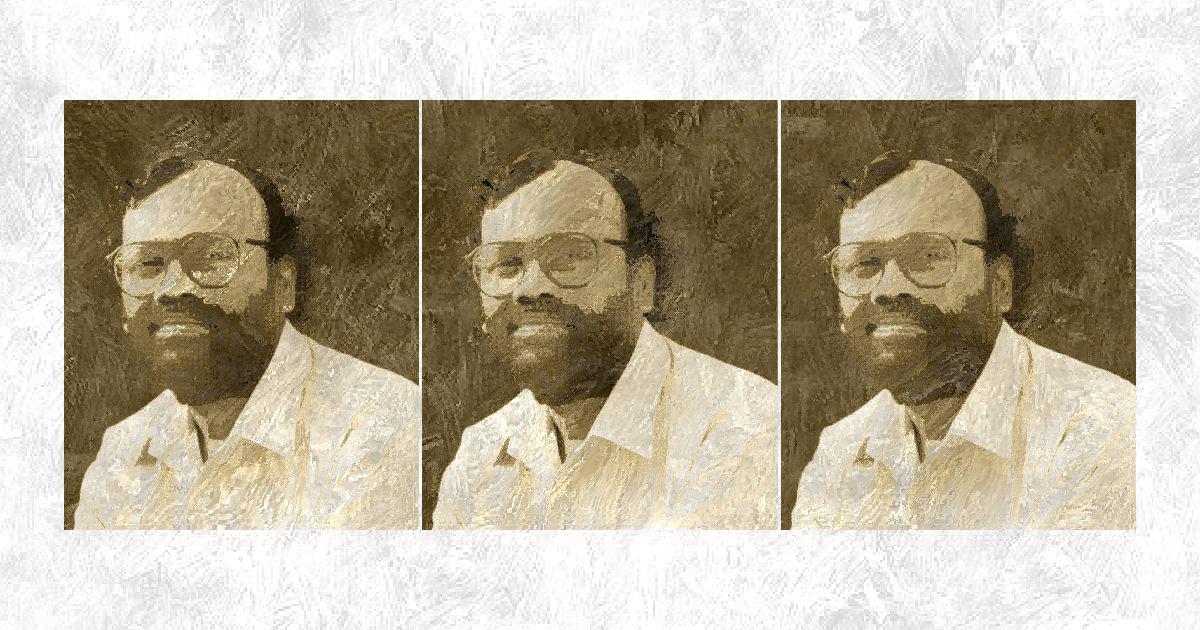
Published in 1999, Nagaraj’s landmark work titled ‘Allamaprabhu mattu Shaiva Pratibhe’ marked a significant shift in the study of vachanas. This was the first substantial engagement with the vachana tradition through a theoretical lens, offering bold hypotheses and interpretations that had previously been overlooked. Known for his compelling insights into the Dalit Movement and contributions to literature and cultural critique, Nagaraj’s writings, compiled in works like ‘The Flaming Feet and Other Essays’ and ‘Listening to the Loom’, have garnered attention not just in Kannada literature but also in the Anglophone world.
Through his scholarly efforts, Nagaraj has encouraged a deeper understanding of Allama Prabhu’s significance, not only as a poet but as a philosophical thinker who challenged the socio-religious norms of his time. His hermeneutic approach has opened new avenues for interpreting vachanas, allowing readers to appreciate the layered meanings behind these texts. This turn towards theoretical exploration is crucial for the contemporary discourse surrounding Kannada literature and its historical figures, as it shifts the focus from mere textual collection to a more nuanced understanding of their philosophical implications.
As we celebrate Allama Prabhu’s legacy, Nagaraj’s work invites a fresh perspective on the vachana tradition, urging modern readers to engage with these mystical verses in a manner that transcends mere academic study. His contributions have not only enriched Kannada scholarship but have also brought Allama Prabhu’s thoughts to a global audience, ensuring that his voice continues to inspire and provoke thought long after the 12th century.