New Delhi, April 16: With changing weather conditions and the onset of seasonal variations, health authorities have cautioned the public about the increasing risk of seasonal diseases across various parts of India.
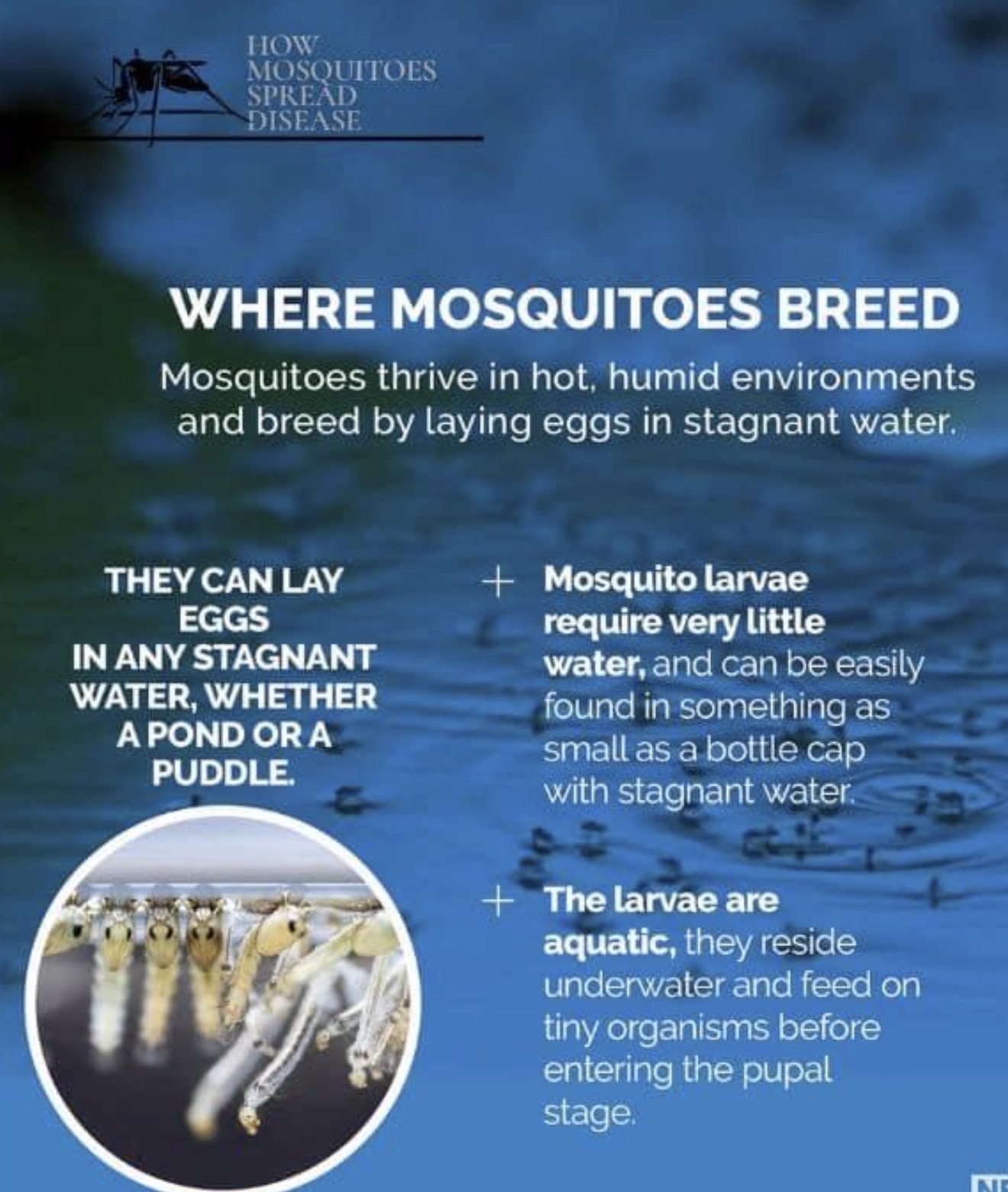
Medical experts state that diseases such as dengue, malaria, chikungunya, typhoid, and cholera tend to rise during the monsoon and post-monsoon periods due to favorable conditions for mosquitoes and waterborne pathogens. Stagnant water, high humidity, and poor sanitation are identified as key factors contributing to the spread of these illnesses.
According to health officials, symptoms such as high fever, body aches, nausea, and fatigue should not be ignored, as early diagnosis can help prevent complications. They emphasized that a significant number of seasonal infections can be controlled through timely preventive measures.
Authorities have advised the public to avoid water stagnation in and around their homes, maintain proper hygiene, and consume clean drinking water. The use of mosquito repellents, nets, and protective clothing has also been recommended to reduce the risk of mosquito-borne diseases.
Public health departments are reportedly increasing surveillance and awareness campaigns to manage potential outbreaks during high-risk seasons. Experts also note that climate variability is influencing disease patterns, making prevention and preparedness more important than ever.
Health officials have urged citizens to remain vigilant and seek immediate medical attention if symptoms appear, stressing that community participation plays a crucial role in controlling the spread of seasonal diseases.