Supreme Court Asserts Chief Minister Cannot Obstruct Investigations, Upholds Democratic Principles
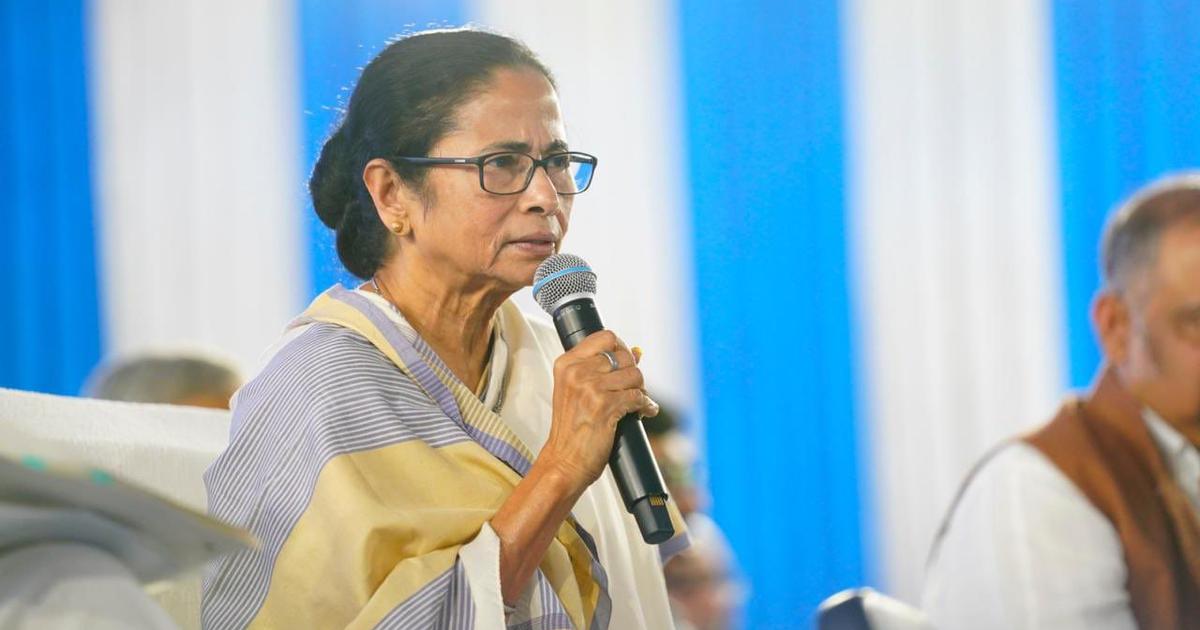
The Supreme Court of India has made a resounding statement regarding the sanctity of democracy, emphasizing that a chief minister must not interfere with ongoing investigations. This assertion arose during a hearing related to a petition filed by the Enforcement Directorate (ED) targeting West Bengal Chief Minister Mamata Banerjee and several state police officials. The case revolves around allegations that these individuals obstructed a search operation at the premises of the political consultancy firm I-PAC on January 8, an action perceived as a threat to democratic processes.
The bench, consisting of Justices Prashant Kumar Mishra and NV Anjaria, questioned the implications of the state’s actions, wondering what constitutional rights were at stake. “What right of the state does this involve?” the bench probed, effectively framing the issue as one that transcends mere jurisdictional disputes between state and central authorities. The Enforcement Directorate invoked Article 32 of the Constitution, allowing individuals to seek direct recourse to the Supreme Court in cases of fundamental rights violations.
During the proceedings, the court firmly stated that the chief minister should not intervene in the midst of an inquiry, reinforcing the notion that such actions can undermine the very fabric of democracy. The comments from the Justices came in response to the West Bengal government’s contention that the ED’s plea was not maintainable, arguing that Article 32 is applicable only to individuals and not to government departments.
Advocate Menaka Guruswamy, representing the West Bengal government, argued that their actions did not constitute any criminal behavior, intimidation, or infringement of rights. She insisted that the situation raises significant legal questions that warrant further examination. However, the court’s stance indicates a clear commitment to uphold the principles of justice and transparency, even when faced with political pressures.
This case resonates deeply within the current political landscape of India, where accusations of political maneuvering often cloud the lines between governance and justice. The Supreme Court’s intervention serves as a powerful reminder that political leaders must respect the rule of law and allow due process to unfold without interference. The judiciary’s role becomes increasingly crucial in ensuring that democracy is preserved and that investigations can proceed unimpeded, free from political meddling.