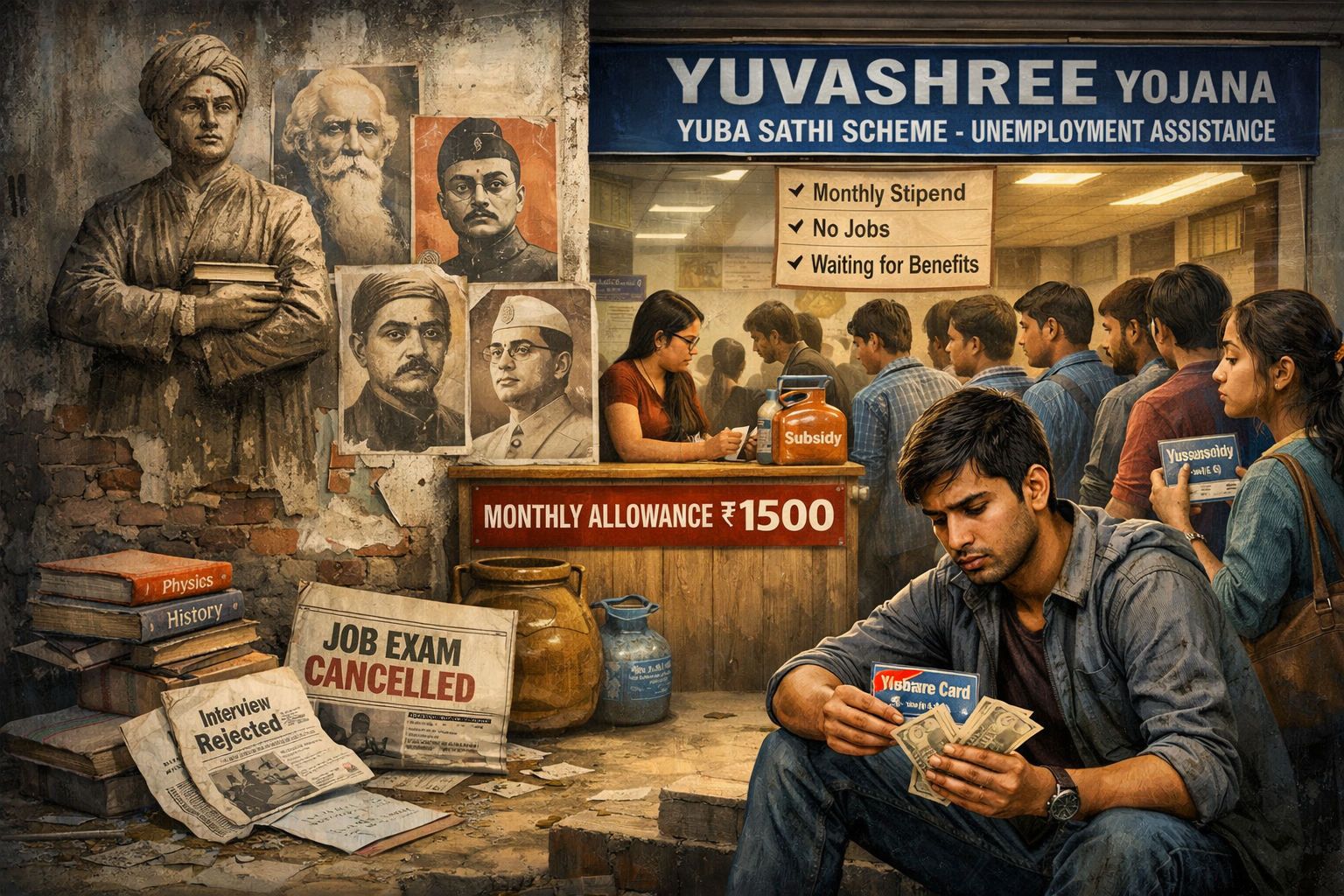
Tamil Nadu Election 2026: Alliances, Welfare Promises, and New Entrants Shape Political Landscape
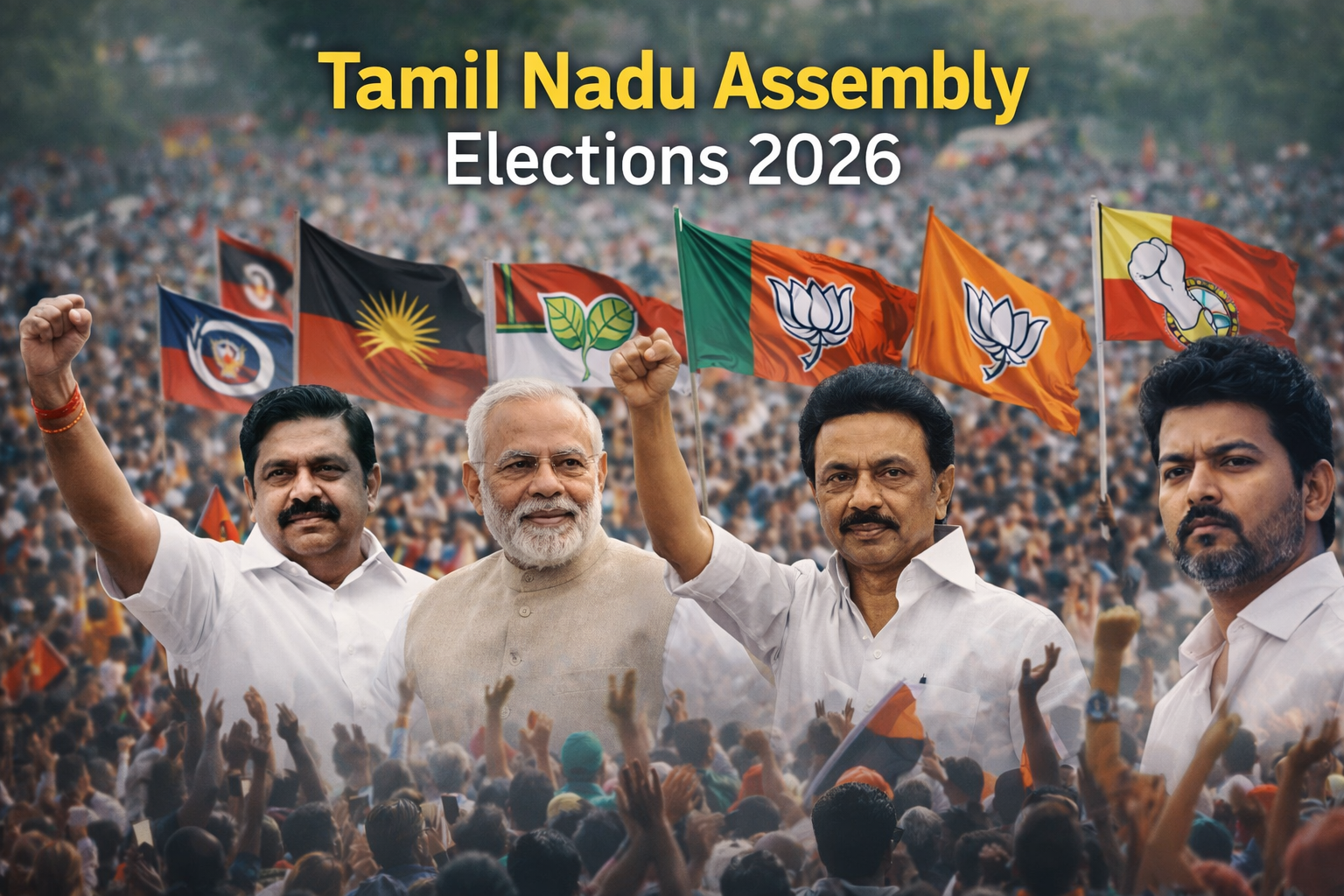
The upcoming Tamil Nadu Assembly election, expected in 2026, is drawing increasing political attention as parties begin preparations across the state. The contest is likely to feature competition between established alliances, alongside participation from regional and emerging political players.
Tamil Nadu’s political landscape has traditionally been shaped by the Dravidian parties, including the Dravida Munnetra Kazhagam and the All India Anna Dravida Munnetra Kazhagam. Current Chief Minister M. K. Stalin is expected to focus on governance initiatives and welfare measures, while opposition parties are likely to highlight issues related to administration and public services.
Reports indicate possible alliance discussions involving the Bharatiya Janata Party and regional parties, though final seat-sharing arrangements and leadership projections are yet to be formally confirmed.
Additionally, new entrants such as Vijay’s Tamilaga Vettri Kazhagam (TVK) are expected to add a fresh dimension to the contest. Political observers suggest that such developments could influence vote distribution, particularly among younger voters.
Welfare policies are expected to remain a central theme in the election discourse. Various parties are likely to propose schemes targeting key voter groups, including women, students, and farmers. At the same time, debates around fiscal sustainability and long-term economic impact are anticipated to feature prominently in campaign discussions.
Ground-level issues such as employment, infrastructure, environmental concerns, and urban services are also expected to shape voter preferences across constituencies. Political campaigns are increasingly incorporating digital outreach, with parties using social media to engage voters while also addressing concerns around misinformation.
As the election timeline becomes clearer, alliance structures, candidate selections, and campaign strategies are expected to evolve further. The outcome will depend on multiple factors, including voter turnout, local issues, and the effectiveness of party outreach.