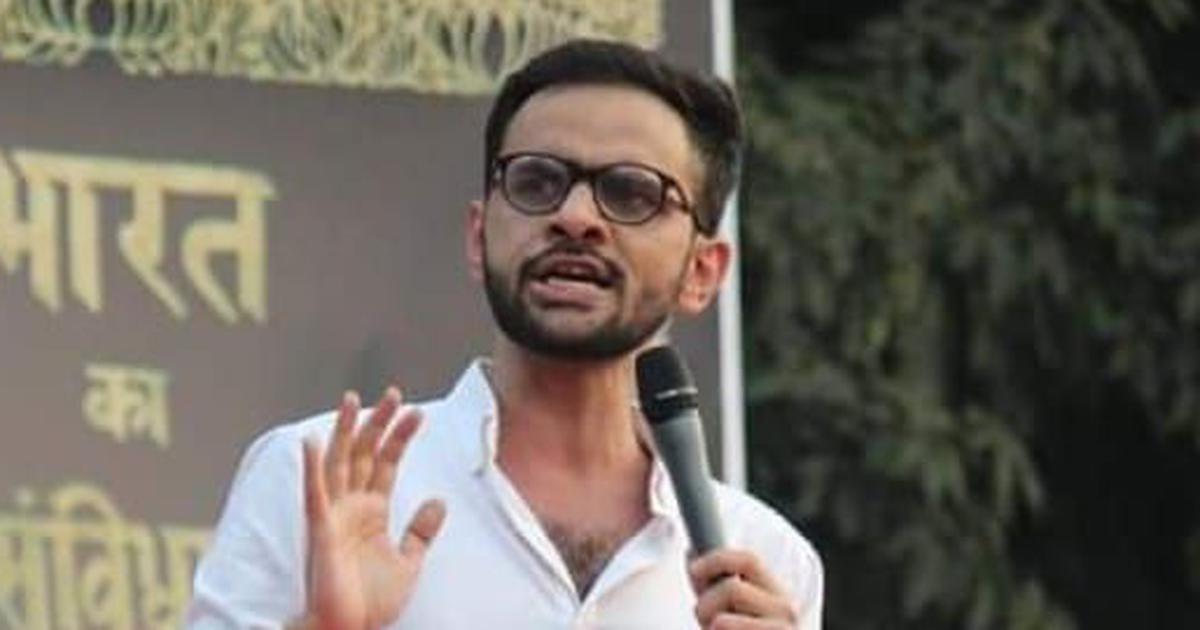
A Delhi court has denied interim bail to activist Umar Khalid in connection with the 2020 Delhi riots conspiracy case. The ruling, delivered by Additional Sessions Judge Sameer Bajpai at the Karkardooma Courts, deemed Khalid’s request for bail as unreasonable, dismissing the grounds presented for his temporary release.
Khalid had requested a 15-day interim bail to attend the Chehlum ritual, commemorating 40 days since his uncle’s passing, as well as to support his mother, who requires surgery on June 2. However, the court expressed skepticism regarding the necessity of Khalid’s presence, suggesting that his father and sister could adequately care for his mother before and after the procedure.
The judge pointedly questioned Khalid’s delay in applying for bail until after his uncle’s death, indicating that the timing of his request raised doubts. Judge Bajpai emphasized that the fact that Khalid and other accused had previously been granted bail and adhered to the conditions does not automatically warrant the approval of subsequent bail requests.
This decision follows a pattern of judicial scrutiny regarding Khalid’s ongoing legal troubles, as the Supreme Court had previously denied him bail on January 5, alongside former JNU student Sharjeel Imam. The rejection of bail applications underscores the intensity of legal proceedings surrounding the Delhi riots, an event that has profoundly impacted communal relations in the capital.
The 2020 Delhi riots, which were triggered by protests against the Citizenship Amendment Act (CAA), resulted in significant violence and loss of life. Khalid has been accused of orchestrating a conspiracy to incite these riots, a charge that has fueled extensive debate over civil rights and the treatment of dissent in India. Activists and supporters of Khalid argue that his legal struggles symbolize a broader crackdown on dissenting voices.
As the case continues to unfold, Khalid’s situation remains a focal point for discussions on freedom of expression and the implications of political activism in India. The court’s latest ruling not only highlights the complexities of the legal system but also raises important questions about the balance between law and individual rights in times of political upheaval.