Unraveling the Truth: Nutritionist Debunks Rice Myths and Advocates for Balanced Consumption
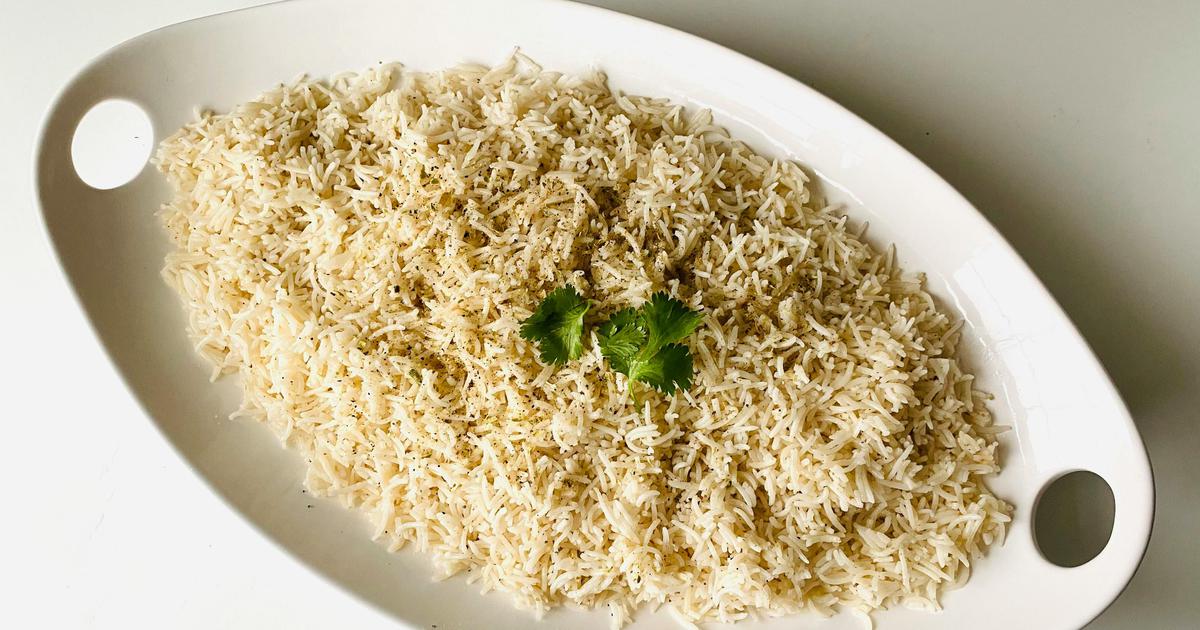
In a fresh perspective on dietary choices, a new book by a renowned nutritionist challenges the prevailing myth surrounding rice and its effect on weight gain. This misconception has caused many to shun rice, often attributing their weight management struggles to this staple grain. However, the nutritionist emphasizes that both rice and wheat chapati serve as essential sources of carbohydrates, and neither is inherently responsible for weight gain.
Weight gain, as the nutritionist elaborates, is influenced by the overall calorie balance rather than the consumption of a single food item. It is vital to understand that neither rice nor roti leads to weight gain when consumed in moderation. The real concern lies in the portion sizes that individuals typically consume. It is rare for someone to eat just a few spoonfuls of rice; more often, a generous bowl is served. This tendency to consume large portions can significantly increase overall calorie intake, which is a crucial factor in weight management.
Furthermore, rice is commonly paired with various accompaniments such as pickles, ghee, chips, and papads, which can inflate the total calorie count of a meal. While many individuals might report weight loss after eliminating rice from their diets, the nutritionist clarifies that this change often results from a reduction in overall calorie consumption. When rice is removed from the diet, individuals often forget about the substantial amounts of ghee, papad, and pickles they were consuming alongside it.
The nutritionist advocates for a more nuanced understanding of rice consumption. Instead of banning rice from the diet, the focus should shift towards moderation and mindful eating practices. The idea is not to deny oneself the pleasures of traditional Indian meals but to find a balance that accommodates both enjoyment and health. This approach allows individuals to savor their cultural cuisine without the guilt that often accompanies dietary restrictions.
As rice remains a beloved staple in Indian households, this book serves as an essential guide for those looking to maintain a healthy lifestyle. By embracing a mindful approach to rice consumption, individuals can enjoy its benefits without compromising their health goals. This shift in perspective could encourage a more sustainable and enjoyable relationship with food, allowing one to appreciate the richness of Indian culinary traditions while also prioritizing their health.