Unveiling a Hidden Chapter: Canada’s Forgotten Proposal to Train Soldiers in Colonial India
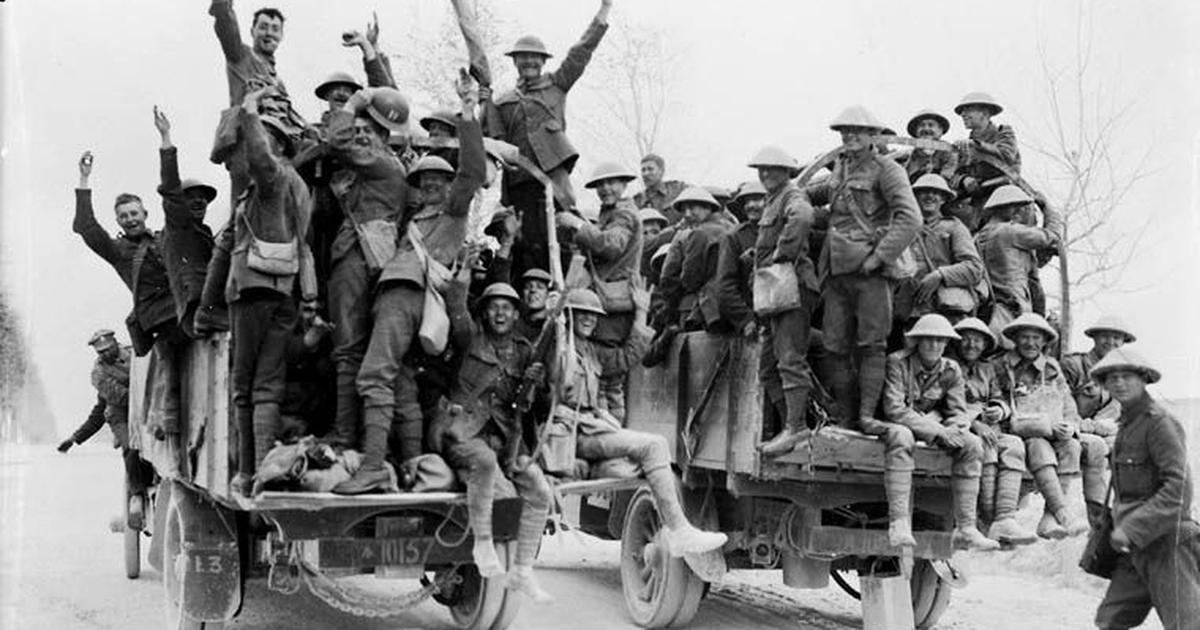
At the dawn of the 20th century, the vast expanse of the British Empire was marked by significant geographical and cultural distances, particularly between Canada and India. While Canada had achieved Dominion status in 1867, India remained deeply entrenched under the control of the British Raj. This era was characterized by a sense of loyalty to the Empire in Canada, where tales of the 1857 Indian Rebellion were frequently recounted. These narratives often depicted the Indian freedom fighters as ‘mutineers’ attacking British civilians, shaping a complex perception of India among Canadians.
However, the relationship was not entirely devoid of compassion. During times of severe distress, such as the catastrophic famines that plagued India, a sense of empathy emerged among Canadians. In 1897, the Canadian government took notable steps by launching the Canadian National India Famine Fund, aimed at providing aid to those suffering from the devastating famine that claimed millions of lives. Prime Minister Wilfrid Laurier, in a statement made in January of the same year, indicated that discussions had taken place between the Governor-General and Dominion Cabinet to facilitate meaningful support for the famine-stricken regions of India.
During the Indian famine of 1899-1900, which tragically resulted in the deaths of over four million, Canada once again rallied to contribute relief funds. This proactive approach illustrated a growing awareness and sympathy towards the plight of Indians under British rule, even as the media often portrayed them as ‘seditious.’ The narratives were mixed, revealing a nation wrestling with its identity within the Empire while grappling with the moral implications of colonialism.
By 1904, the Canadian government began contemplating an intriguing proposal to utilize India as a training ground for volunteer military units, known as the Canadian Militia. This idea, which would have seen Canadian soldiers stationed in India, was a reflection of the colonial mindset of the time. It suggested a merging of Canadian military interests with the colonial ambitions of the British Empire, highlighting the complexities of international relationships during that period.
This forgotten chapter of history raises critical questions about the nature of colonial relationships and the roles nations played within the vast British Empire. The proposal not only underscores Canada’s military aspirations but also serves as a reminder of the interconnectedness of countries within the Empire, often overshadowed by the dominant narratives of colonialism and oppression. As India continues to evolve and define its identity in the modern world, reflecting on such historical exchanges can provide a deeper understanding of the past and its lingering influences on present-day relations.