Bhaskar Ghosh, Sangrami Joutha Mancha, and the DA Case in West Bengal: Developments in a Prolonged Administrative and Legal Dispute

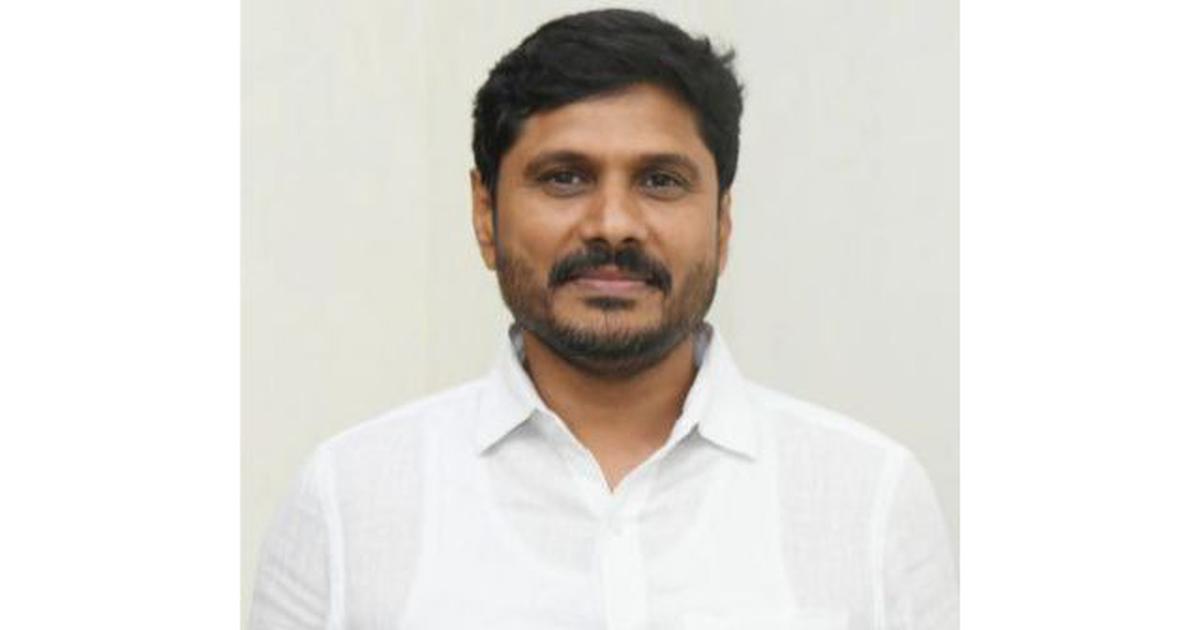
The issue of Dearness Allowance (DA) for West Bengal government employees has, over the past several years, developed into a significant administrative and legal matter. It has involved employee associations, state authorities, and judicial institutions. Among the organisations active in this context is the Sangrami Joutha Mancha, a platform of employee groups, with Bhaskar Ghosh identified as one of its representatives.
This article presents a factual overview of the developments related to the DA dispute, the involvement of the Sangrami Joutha Mancha, and the status of court proceedings, particularly in the period preceding the 2026 Assembly elections.
Background of the DA Issue
Dearness Allowance is a component of government employee compensation intended to offset the impact of inflation. Variations in DA rates between the Central Government and individual states are not uncommon, as states determine pay structures based on their own policies and financial considerations.
In West Bengal, employee groups have raised concerns regarding:
The difference between DA rates of central and state government employees
Delays in revision and payment of DA
Treatment of DA within the broader framework of state service rules
These concerns led to representations by various employee organisations and, subsequently, to coordinated activities under platforms such as the Sangrami Joutha Mancha.
Role of Sangrami Joutha Mancha and Bhaskar Ghosh
The Sangrami Joutha Mancha functions as a collective forum of multiple employee associations. Its activities have included:
Organising demonstrations and sit-ins in Kolkata and other locations
Issuing public statements regarding DA-related demands
Coordinating among different categories of employees, including serving staff and pensioners
Bhaskar Ghosh has been publicly associated with the Mancha as a spokesperson or representative in several of these activities. His role has primarily involved:
Addressing gatherings and media interactions
Communicating organisational positions on DA-related matters
Participating in coordination efforts among affiliated groups
Judicial Proceedings
1. Calcutta High Court
The DA matter was brought before the Calcutta High Court through petitions filed by employee representatives.
Issues raised before the Court included:
Whether DA constitutes an enforceable component of service benefits
The extent of the state’s discretion in determining DA rates
Alleged disparities between different categories of government employees
Submissions before the Court:
Petitioners argued that DA is linked to inflation and forms part of compensation.
The state government maintained that DA falls within policy decisions governed by service rules and financial considerations.
Outcome:
The High Court issued orders in favour of the petitioners, directing the state to take steps regarding payment of DA. The precise scope and implementation details were subject to interpretation and subsequent legal developments.
2. Proceedings before the Supreme Court
The state government challenged the High Court’s decision before the Supreme Court of India.
Key questions considered included:
The legal status of DA within public employment
The extent to which courts can direct financial obligations on state governments
The balance between employee claims and state fiscal considerations
Submissions:
The state reiterated that DA determination is a matter of policy and financial capacity.
Petitioners maintained that DA forms an integral part of compensation and should not be withheld arbitrarily.
Developments:
The Supreme Court issued directions related to the payment of a portion of DA arrears and permitted structured compliance. The matter has involved multiple hearings, and aspects of implementation and interpretation have continued to evolve.
Context Prior to the 2026 Elections
In the period leading up to the 2026 West Bengal Assembly elections, the DA issue received increased public attention. Developments during this time included:
Announcements by the state government regarding partial release of DA or arrears
Continued demonstrations and statements by employee organisations
References to the DA issue in political discussions and public discourse
The Sangrami Joutha Mancha remained active during this period, with representatives including Bhaskar Ghosh continuing to engage in organisational and public-facing activities.
Administrative and Public Dimensions
The DA matter intersects with multiple considerations:
Administrative: Implementation of pay structures within state finances
Legal: Interpretation of service rules and judicial directives
Public: Employee concerns and responses from different stakeholders
Different perspectives have been expressed by employee groups, government authorities, and commentators, reflecting the complexity of the issue.
Conclusion
The DA case in West Bengal represents an ongoing administrative and legal matter involving employee associations, the state government, and the judiciary. The Sangrami Joutha Mancha has been one of the platforms through which employee concerns have been articulated, with Bhaskar Ghosh acting as a visible representative in related activities.
As of the period preceding the 2026 elections, the issue remained under consideration in both administrative and legal contexts, with partial measures implemented and further developments subject to policy decisions and judicial processes.