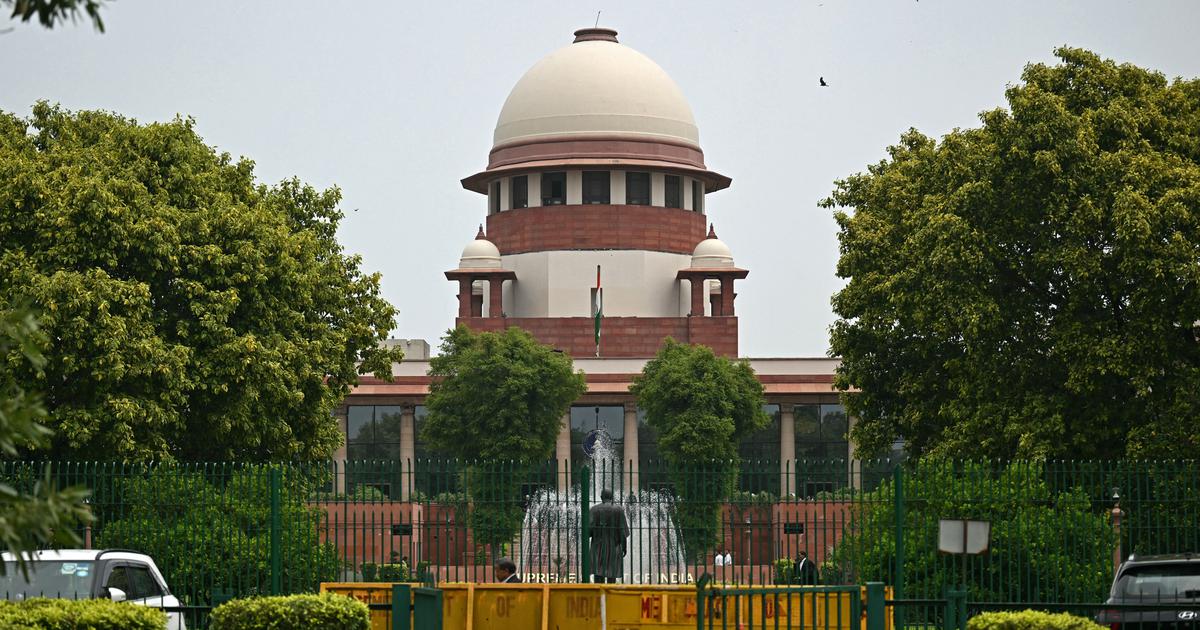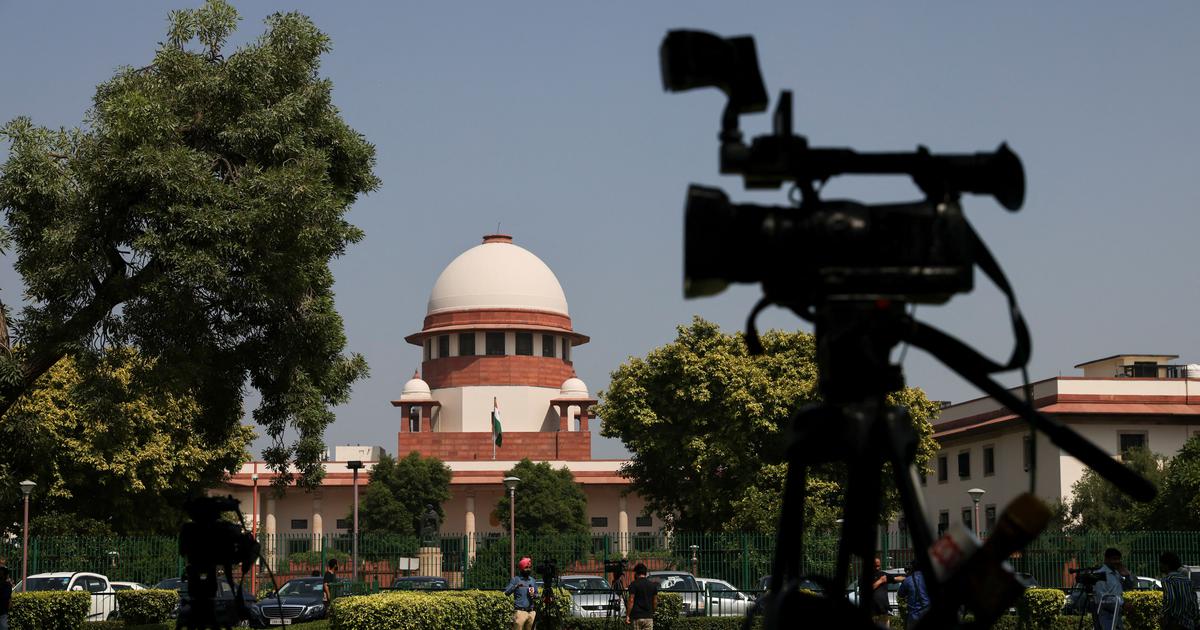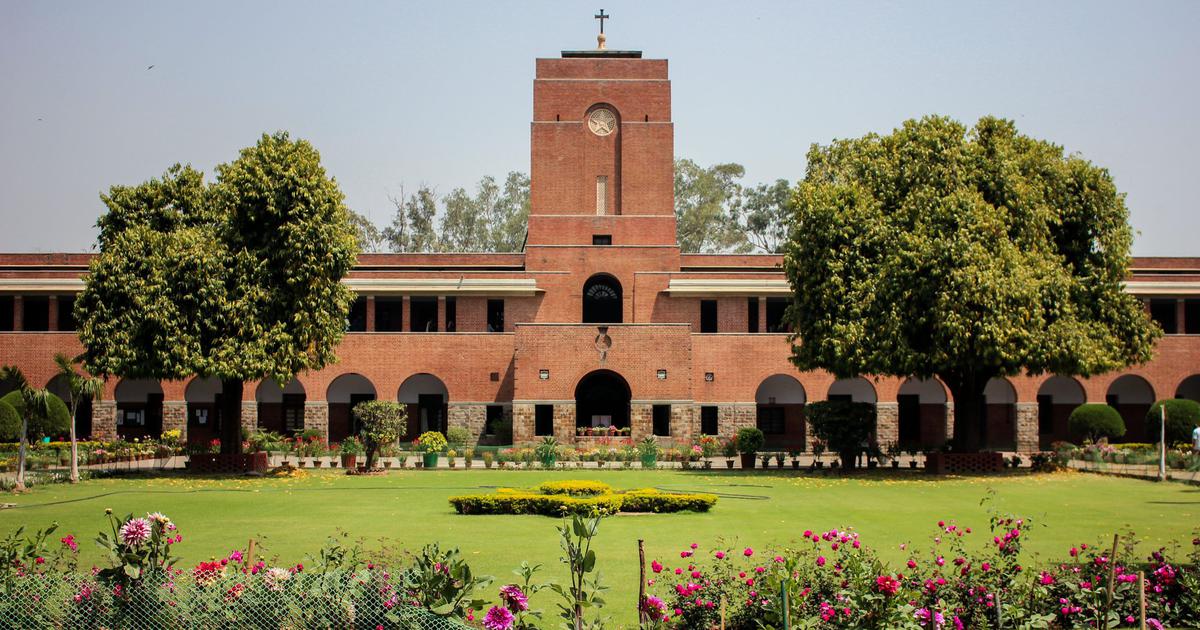
Recent developments at two of India’s prestigious educational institutions have unveiled a troubling trend: bureaucratic hurdles continue to obstruct women from assuming leadership positions. This situation at St Stephen’s College in Delhi and St Xavier’s College in Mumbai raises significant concerns about gender equity in academia.
In May, St Stephen’s College announced the historic appointment of Susan Elias as its 14th principal, marking a milestone as she would have been the first woman to lead the college in its 145-year existence. However, shortly after her selection was made public, the Delhi University intervened, halting her appointment due to alleged non-compliance with the University Grants Commission (UGC) Regulations of 2018. The university claimed that because St Stephen’s receives full funding from the central government, its selection panel should have included university-appointed experts and a nominee from the Vice-Chancellor.
This bureaucratic impasse serves as a stark reminder of a similar situation last year at St Xavier’s College, Mumbai, where Karuna Gokarn was appointed as the first female principal of the institution after 156 years. The college, a prominent Jesuit institution, faced a similar roadblock when the Maharashtra Joint Director of Education and the University of Mumbai withheld approval for Gokarn’s appointment. In response, St Xavier’s took its case to the Bombay High Court, arguing that as a protected minority institution, it had an inherent right to appoint its leadership.
The repeated instances of bureaucratic resistance highlight the ongoing challenges women face in ascending to leadership roles within India’s educational landscape. Both colleges, revered for their academic prowess, are now entangled in legal and procedural disputes that overshadow their commitment to inclusivity and diversity. The implications of these delays affect not only the immediate leadership of these institutions but also send a discouraging message to aspiring female leaders across various sectors.
The systemic barriers that prevent qualified women from taking on significant roles reflect a broader cultural issue that persists in many areas of Indian society. Despite progressive steps in recent years towards gender equality, deeply ingrained biases and bureaucratic red tape continue to undermine the potential of talented women.
As debates around gender roles evolve, it becomes critical for institutions to address these challenges head-on. Educational environments should embody the ideals they wish to promote in their students. The time has come for the bureaucratic framework to adapt and allow for the seamless transition of leadership that truly reflects the diverse fabric of contemporary India.