Controversy Erupts in Indore as Congress Councillors Face Legal Action for Refusing to Sing ‘Vande Mataram’
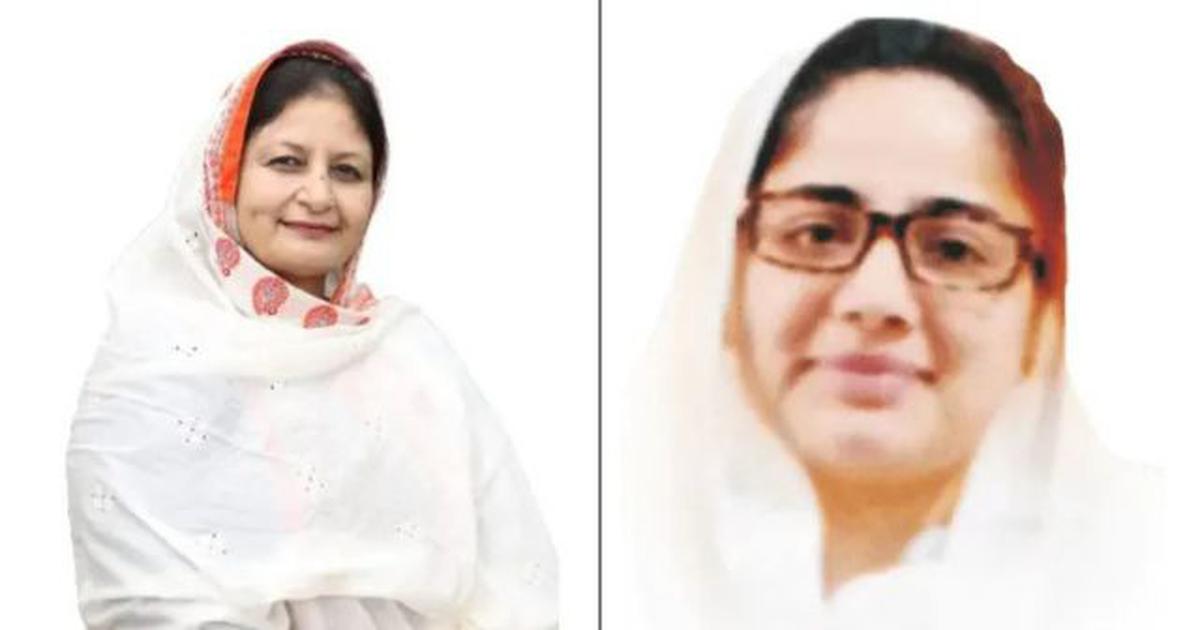
In a recent incident in Indore, Madhya Pradesh, two Congress councillors have found themselves embroiled in controversy after they declined to sing the patriotic song ‘Vande Mataram’ during a municipal corporation budget session. The event has sparked significant outrage and legal action, highlighting the ongoing tensions surrounding national identity and religious sentiments in the country.
The councillors, Rubina Iqbal Khan and Fauzia Sheikh Aleem, were reportedly booked under the Bharatiya Nyaya Sanhita for allegedly promoting enmity based on religion, race, and place of birth. This legal action followed complaints filed by members of the Bharatiya Janata Party (BJP) who claimed that the councillors’ actions disrespected national sentiments and disrupted public harmony.
According to Additional Deputy Commissioner of Police Ram Snehi Mishra, the inquiry into the incident revealed that the councillors’ refusal to participate in singing ‘Vande Mataram’ led to rising tensions within the community and a perceived breach of social harmony. The incident unfolded on April 8 during the municipal budget session, where the singing of the song became a contentious issue.
As the councillors contested the necessity of singing ‘Vande Mataram’, Aleem is reported to have questioned whether any official rule mandated such an action, while Khan expressed that her personal faith did not allow her to recite the song. This exchange ignited a fervent response from BJP members present, who reportedly shouted slogans insisting that anyone living in India must adhere to singing ‘Vande Mataram’.
This incident raises questions about the intersection of patriotism, religion, and individual rights in India. While ‘Vande Mataram’ is celebrated as a patriotic song, its enforcement in public spaces has become a flashpoint in discussions about national identity, particularly in a country as diverse as India. The episode in Indore serves as a reminder of the delicate balance between honoring national symbols and respecting personal beliefs.
The reactions to this event have underscored the polarized nature of contemporary Indian politics, where acts of patriotism are often scrutinized through the lens of religious identity. As the situation unfolds, it may prompt further debates surrounding the expectations of public officials in expressing their patriotism, and the extent to which individual beliefs can coexist with national mandates.