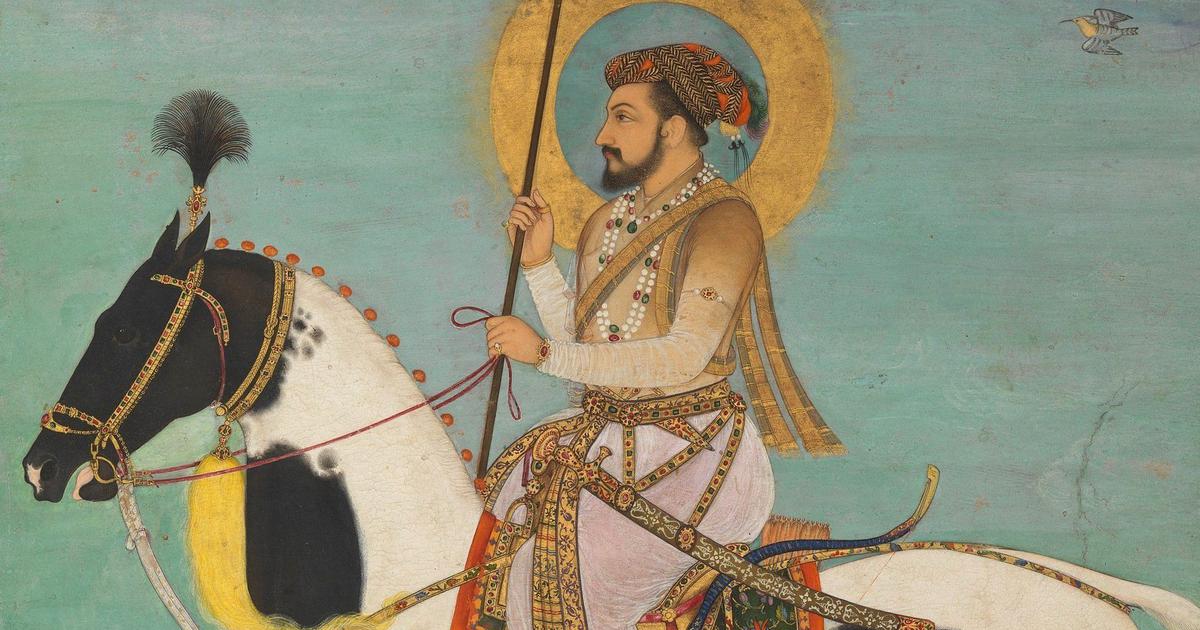
In contemporary discussions about the Mughal Empire, narratives frequently pivot around the notion of religious strife between different communities. However, a deeper dive into historical records from the 17th century reveals a more intricate portrayal of social dynamics, where interfaith relationships were not only possible but also celebrated. A prime example of this complexity is found in the Tazkira-i Pir Hassu Teli, a document preserved at Aligarh Muslim University that narrates the life and miracles of Pir Hassu Teli, a revered Muslim saint, through the eyes of a devoted Hindu disciple.
Written during the reign of Shah Jahan between 1644 and 1647, this biographical account offers a fascinating look at a time when identities were multifaceted. The author of this work, Surat Singh, was not merely a chronicler; he was a Hindu Mughal official deeply entrenched in the mysticism surrounding Pir Hassu Teli, as well as his successor, Shaikh Kamal. This relationship underscores the potential for spiritual connections that transcended rigid religious boundaries, offering a narrative that contrasts sharply with the modern view of the past as a battleground of faith.
Surat Singh hailed from a Kambo family in Punjab, traditionally known for their trading activities. The shift towards Mughal service in the early 17th century marked a significant change in his family’s trajectory. Surat Singh’s career spanned various administrative roles across notable Mughal cities such as Lahore, Bhatinda, Kabul, and Agra. It was within this milieu that he encountered Pir Hassu Teli, whose teachings and life stories resonated deeply with him, prompting Surat Singh to become a disciple in this mystical tradition.
This biography is emblematic of Surat Singh’s layered identity. As a Hindu, he was rooted in his cultural heritage, yet his service to the Mughal Empire and his role as a Persian poet illustrate a life replete with diverse influences and experiences. This document not only serves to elevate the narrative of Pir Hassu Teli but also sheds light on the socio-cultural fabric of India during the Mughal era, where individuals could embrace the teachings of saints from different faiths without fear of societal retribution.
The Tazkira-i Pir Hassu Teli stands as a testament to the possibility of coexistence and mutual respect among different religious communities. The story of Surat Singh reminds us that while differences may exist, the human experience transcends these divisions, fostering connections that can enrich our understanding of shared spirituality. As we reflect on this historical narrative, it becomes clear that the Mughal Empire’s legacy is not merely one of conflict, but also of collaboration, compassion, and devotion that can inspire contemporary society.