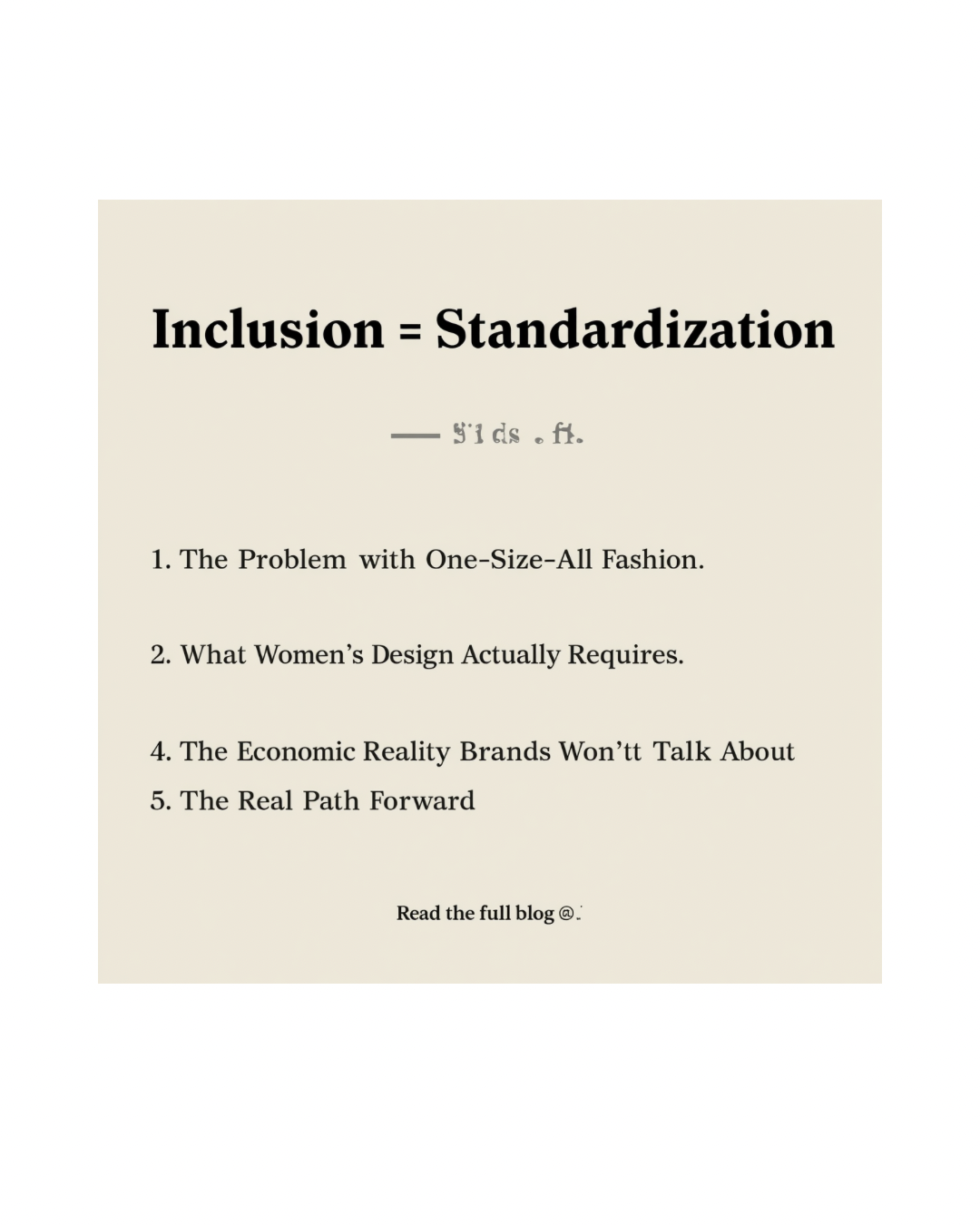
In recent years, gender-neutral fashion has become a prominent trend within the global apparel industry. Many brands have introduced unisex collections as part of broader efforts to promote inclusivity and offer consumers more flexible style choices. However, the rise of gender-neutral fashion has also sparked discussion among designers, consumers, and industry experts about its impact on specialized clothing design, particularly women’s wear.
The Design Perspective
Fashion design involves more than aesthetics. Garments are often developed with specific considerations related to body shape, fit, comfort, movement, and functionality. Traditionally, women’s clothing has incorporated elements such as tailored silhouettes, varied proportions, fabric selection, and construction techniques intended to accommodate different body types and style preferences.
Some designers argue that certain gender-neutral collections, particularly those based on oversized or boxy silhouettes, may not always address the diverse fit requirements that many consumers seek. They suggest that specialized design expertise remains important in creating garments that provide comfort, functionality, and a wide range of stylistic options.
The Business and Consumer Debate
The growing popularity of gender-neutral fashion has also generated discussion about its impact on retail strategies and consumer choice. Supporters argue that gender-neutral collections expand accessibility by allowing individuals to choose clothing based on personal preference rather than traditional gender categories.
Others contend that maintaining a variety of specialized collections—including women’s, men’s, and gender-neutral lines—provides consumers with greater flexibility and ensures that different design needs continue to be met. They emphasize that inclusivity may be better achieved through expanded options rather than the reduction of existing choices.
Inclusion and Choice
Advocates of gender-neutral fashion often highlight its ability to challenge conventional norms and create a more inclusive shopping experience for people who do not identify with traditional clothing categories. They argue that fashion should be accessible to everyone regardless of gender identity.
At the same time, many consumers continue to value garments specifically designed for their preferred fit, silhouette, and aesthetic. This has led some industry observers to suggest that the future of fashion may lie in offering multiple design approaches rather than prioritizing a single model.
Preserving Design Expertise
Fashion professionals note that pattern-making, tailoring, fabric engineering, and garment construction remain specialized skills. Whether designing women’s wear, menswear, or gender-neutral collections, these technical disciplines play a crucial role in ensuring quality, comfort, and performance.
As consumer preferences continue to evolve, maintaining diverse design expertise may help brands serve a broader range of customers while encouraging creativity and innovation across the industry.
Looking Ahead
Rather than viewing gender-neutral fashion and specialized clothing design as competing concepts, some experts suggest that they can coexist within a broader framework of consumer choice. Under this approach, brands can offer gender-neutral collections while continuing to develop garments tailored to specific fit, style, and functional requirements.
The ongoing discussion reflects larger questions about identity, design, inclusivity, and personal expression. As the fashion industry evolves, balancing innovation with consumer choice is likely to remain an important consideration.
Ultimately, the debate is not simply about whether gender-neutral fashion should exist, but about how the industry can provide diverse options that meet the needs and preferences of a wide range of consumers.