India is one of the youngest nations in the world, with nearly two-thirds of its population below the age of 35. This demographic advantage presents an unprecedented opportunity to drive economic growth. However, the real challenge is not merely the availability of young people, but whether they possess the skills required by modern industries. As India aspires to become a developed nation by 2047, transforming its demographic dividend into a skill dividend should remain a national priority.
India’s economy is expanding rapidly across manufacturing, infrastructure, renewable energy, electronics, automation, and digital services. At the same time, many industries continue to report shortages of skilled technicians and trained workers. Recent industry reports also indicate that employability and formal vocational training remain significant challenges for many young job seekers. The issue, therefore, is not unemployment alone—it is also the gap between available skills and industry requirements.
For decades, success has largely been measured through academic degrees. While higher education remains important, today’s economy equally values practical and technical skills. Electricians, technicians, welders, fitters, machine operators, and other skilled professionals play a vital role in India’s industrial growth. These occupations are essential to the success of national initiatives such as Make in India and the vision of Viksit Bharat 2047.
Addressing this challenge requires collaboration between government, industry, educational institutions, and civil society. Industry brings technology and expertise, educational institutions provide infrastructure and training, while social organisations connect with local communities. Together, they can create practical, employment-oriented skill development programmes.
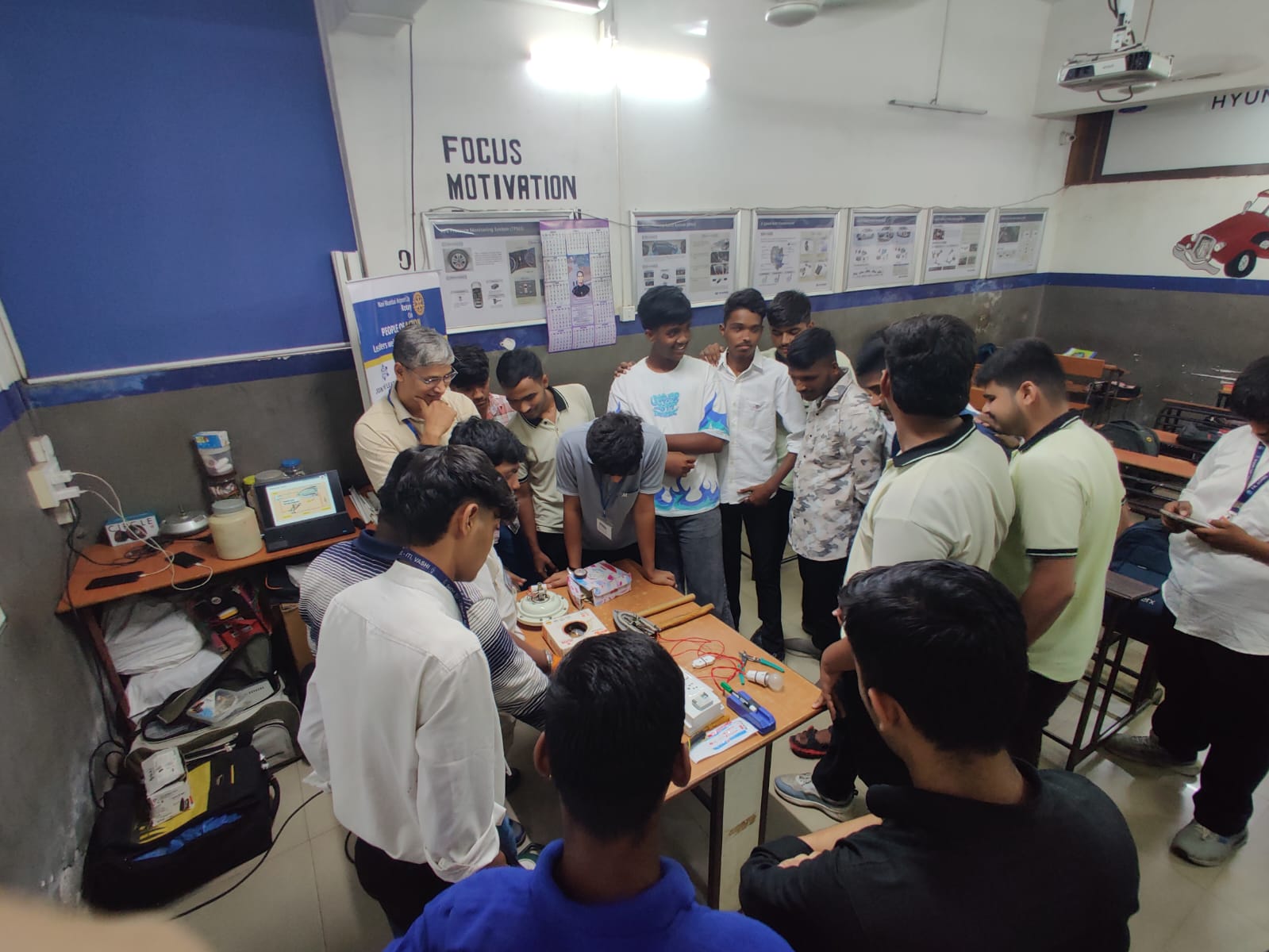
One example of industry-supported skill development is Vidyut Kiran, an initiative of the Rotary Club of Navi Mumbai Airport City in partnership with Siemens Aikya Education & Welfare Trust and Fr. Agnel Technical Institute, Vashi. The programme provided electrical training to young participants through a combination of classroom instruction and hands-on practical sessions. Such initiatives demonstrate how industry-academia collaboration can improve employability while building confidence among young learners.
Countries such as Germany, Japan, and South Korea have demonstrated that vocational education can complement academic education and contribute significantly to national development. While India’s requirements are unique, strengthening technical and vocational education can help meet the growing demand for skilled professionals.
Skill development cannot remain the responsibility of government alone. Industries, educational institutions, CSR initiatives, professional bodies, and voluntary organisations all have an important role to play. Even small-scale vocational training programmes, when implemented consistently across sectors, can collectively strengthen India’s workforce.
As India continues to invest in infrastructure, manufacturing, and digital transformation, equal emphasis must be placed on developing human capital. A skilled workforce strengthens families, supports industry, and contributes to sustainable economic growth. Transforming India’s demographic advantage into a skilled workforce will require sustained investment, collaboration, and long-term policy support. Achieving this goal can help build a more productive, inclusive, and self-reliant India.