In one of the most emotionally charged and symbolically powerful victories of the 2026 West Bengal Assembly elections, Ratna Debnath emerged as a decisive winner from the Panihati constituency, marking a dramatic shift in the state’s political landscape.
Her victory is not merely an electoral statistic—it is a story of grief transformed into political resolve, and of public sentiment translating into a powerful mandate.
A Victory Forged in Tragedy
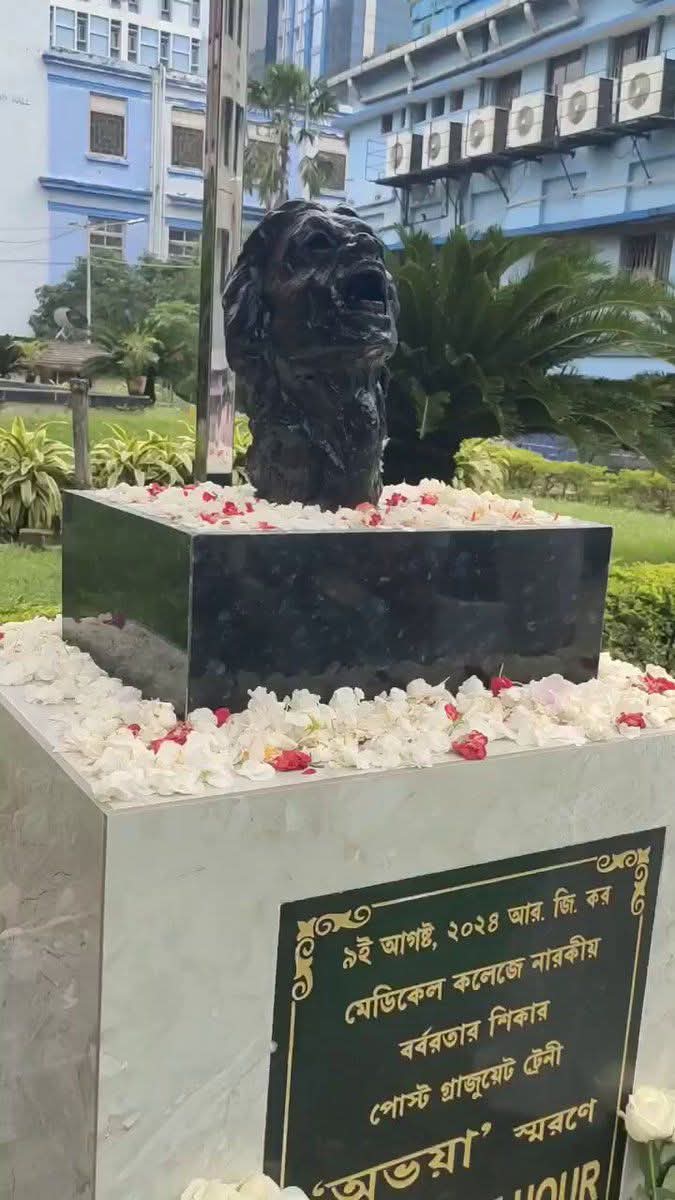
Ratna Debnath first came into the public eye as the mother of the victim in the widely discussed RG Kar Medical College case of 2024, which sparked statewide outrage over women’s safety and justice.
Carrying the weight of personal loss, she entered politics as a candidate of the Bharatiya Janata Party, turning her fight for justice into a broader political campaign. Her message resonated deeply with voters, especially in the aftermath of public anger surrounding law and order issues.
The Panihati Upset
Contesting from Panihati in North 24 Parganas, Debnath defeated Tirthankar Ghosh of the All India Trinamool Congress by a significant margin of over 28,000 votes.
She secured approximately 87,977 votes against her opponent’s 59,141, ending what had long been considered a stronghold of the ruling party.
This victory is particularly notable because Panihati had remained under Trinamool Congress control for over a decade, making Debnath’s win both symbolic and strategic.
Campaign Built on Justice and Women’s Safety
Unlike conventional political campaigns, Debnath’s appeal was rooted in moral authority rather than political experience. Her campaign focused heavily on:
Justice for her daughter
Women’s safety and dignity
Accountability in governance
Her emotional appeal struck a chord with voters. As she declared during counting day, her fight would continue “as long as I am alive,” emphasizing that her political journey is inseparable from her quest for justice.
A Symbol of Changing Political Winds
The 2026 elections themselves marked a historic turning point, with the BJP securing a sweeping victory across West Bengal for the first time.
Within this broader political shift, Ratna Debnath’s win stands out as a deeply human story—one where personal grief intersected with public anger to reshape electoral outcomes.
Her candidacy was widely seen as symbolic, connecting issues of justice, governance, and citizen sentiment.
Beyond Politics: A Continuing Fight
For Ratna Debnath, electoral success is not the end of the journey. It represents a new platform—one from which she intends to continue her fight for justice and advocate for systemic change.
Her rise underscores a powerful message: in modern Indian politics, personal narratives and public issues are increasingly intertwined. And sometimes, a single voice—driven by loss, resilience, and determination—can influence the course of an entire election.
Conclusion
Ratna Debnath’s victory in the 2026 West Bengal Assembly elections is more than a political milestone. It is a testament to how individual courage, when aligned with public sentiment, can challenge entrenched power structures and redefine political discourse.
Her story will likely remain one of the most compelling narratives of this election—where a grieving mother became a symbol of resistance, justice, and change.